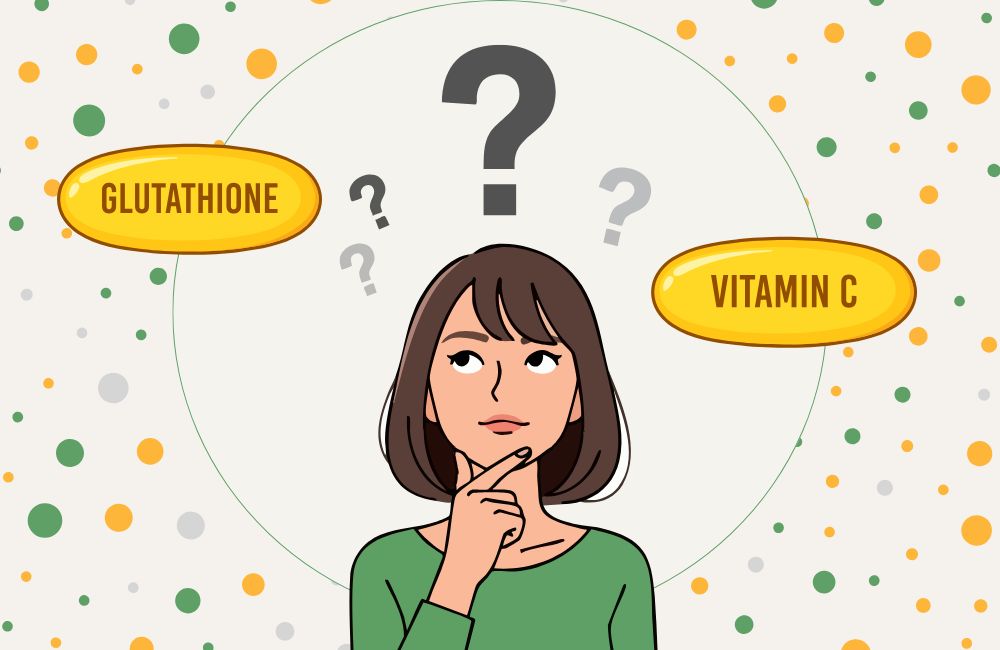
If your goal is "glow" and fading pigment spots, you have surely encountered the two biggest heavyweights: the well-known Vitamin C and K-Beauty’s new superstar, Glutathione.
But which one is better? 🤔
I often get asked: “Should I ditch my Vitamin C and switch to Glutathione? Or should I use both?” The answer isn’t simple, because although their goal is the same (flawless, even skin tone), the way they achieve it is completely different.
Today, I’m putting these two active ingredients in the ring! Let’s look at the glutathione vs Vitamin C showdown, their advantages and disadvantages, so you can finally know which is the best antioxidant for your skin – specifically for your skin! 👇
Challenger #1: Vitamin C (The classic glow) 🍋
Vitamin C (especially pure L-ascorbic acid) has been the queen of skincare for decades.
- How does it work? It is an acidic, strong antioxidant. It not only inhibits pigment production but also gently exfoliates and directly stimulates collagen production.
-
Advantages:
- Fast results: The "glow" effect is visible within a few weeks.
- Anti-aging: The best choice against wrinkles as well.
-
Disadvantages (What few talk about):
- Unstable: It oxidizes quickly (turns brown) and loses its effectiveness.
- Irritating: Pure Vitamin C can sting and cause redness, especially if your skin is sensitive or acne-prone.
Challenger #2: Glutathione (The K-Beauty throne contender) 🧪
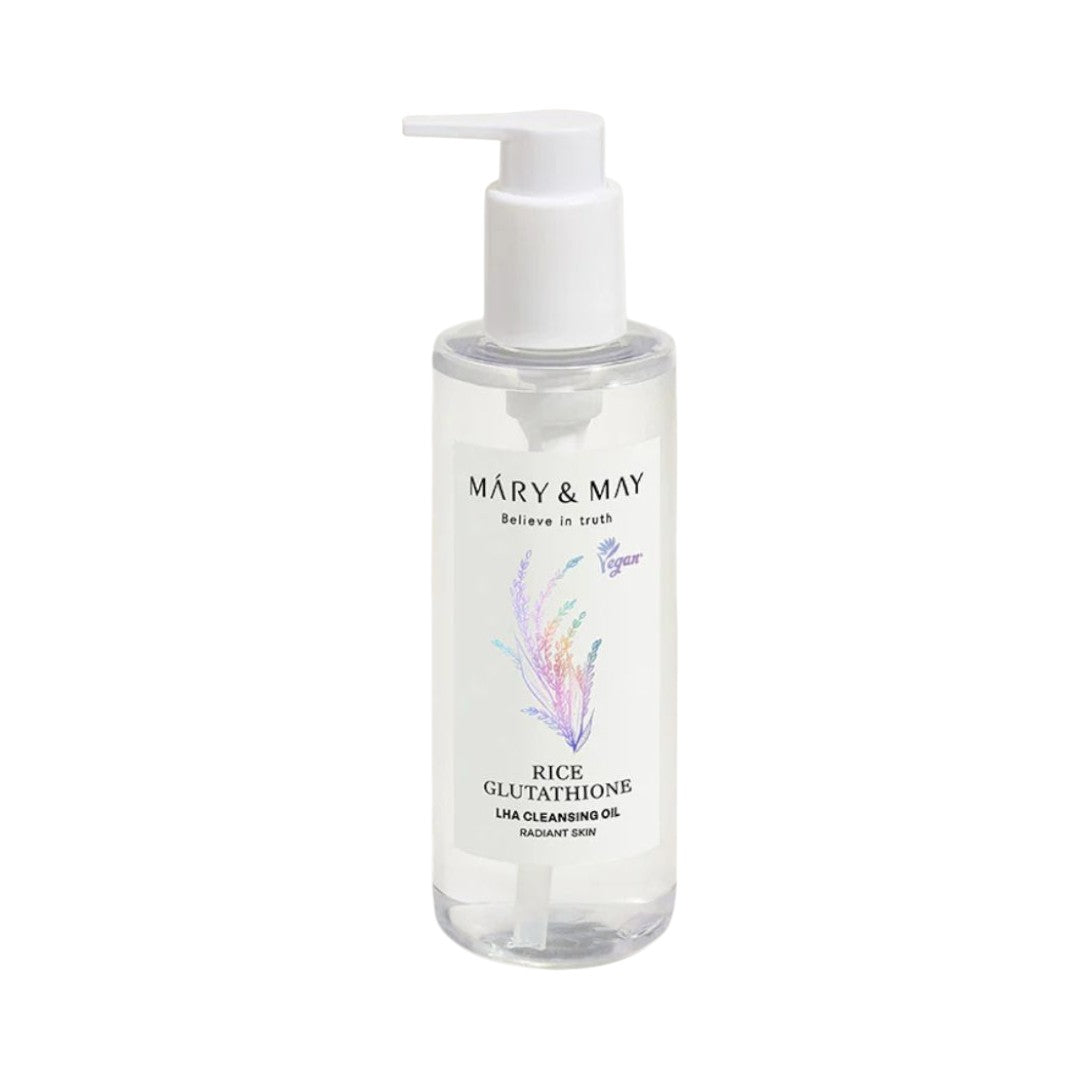
Glutathione is our body’s own "Master Antioxidant." In Korea, it has been the secret to "Snow White skin" for years (the main ingredient in the famous Cinderella injections), but now it’s finally available in serums too.
- How does it work? It intervenes in the pigment production process: it encourages the skin to produce lighter (pheomelanin) pigments instead of dark (eumelanin) pigments.
-
Advantages:
- Gentle: It’s not acidic and doesn’t sting, so even the most sensitive skin loves it.
- Stable: It doesn’t spoil as quickly as Vitamin C.
- Soothing effect: While brightening, it strengthens the skin.
-
Disadvantages:
- Slower: Its effect is deeper and based on biological processes, so you need to be more patient for visible results.
Glutathione vs Vitamin C: Which should you choose? (The comparison) ⚖️
To make the decision easier, let’s see who each is the best antioxidant for the skin:
Choose Vitamin C if:
- Your skin is resilient and not prone to irritation.
- Besides spots, wrinkles and loss of firmness bother you.
- You want a quick, noticeable glow before an important event.
- You like antioxidant protection under sunscreen in your morning routine.
Choose Glutathione if:
- Your skin is sensitive, rosacea-prone, or acne-prone (Vitamin C can irritate active acne!).
- You have deep, stubborn hormonal spots (melasma).
- You’re afraid your serum will spoil in the bathroom.
- You want to even out your skin tone without risking damage to your skin barrier.
The big twist: Why not use them TOGETHER? 🤝
Here comes the genius of K-Beauty! Research has shown that glutathione and Vitamin C are best friends.
Did you know? Glutathione can "revive" Vitamin C. When Vitamin C neutralizes a free radical, it "tires out" (oxidizes). However, Glutathione can regenerate this tired Vitamin C molecule so it can fight again!
So, if you want to be really professional, don’t choose, but combine:
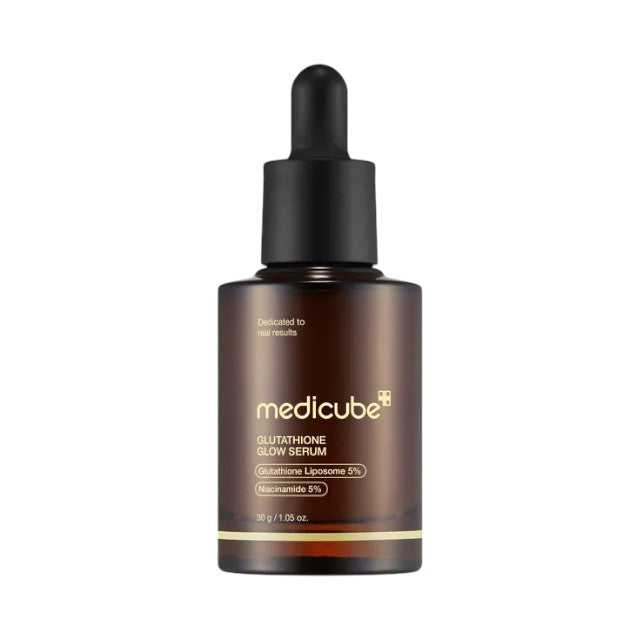
- You can use a serum that contains both (e.g., Numbuzin No.5 or APLB products).
- Or: Use Vitamin C in the morning for protection, and Glutathione in the evening for regeneration and spot fading.
Summary: There’s no wrong choice!
Whether you choose the fast and powerful Vitamin C or the gentle and deep-acting Glutathione, your skin will be grateful for the extra care. The key is to know: there isn’t only one way to fight pigment spots!
If you’re unsure, start with Glutathione because it’s impossible to "overshoot the target" with it, and once your skin gets used to it, introduce a gentle Vitamin C as well.
Ready for the glow?
Click here and discover the best Vitamin C and Glutathione serums at kbeautyforyou.hu!