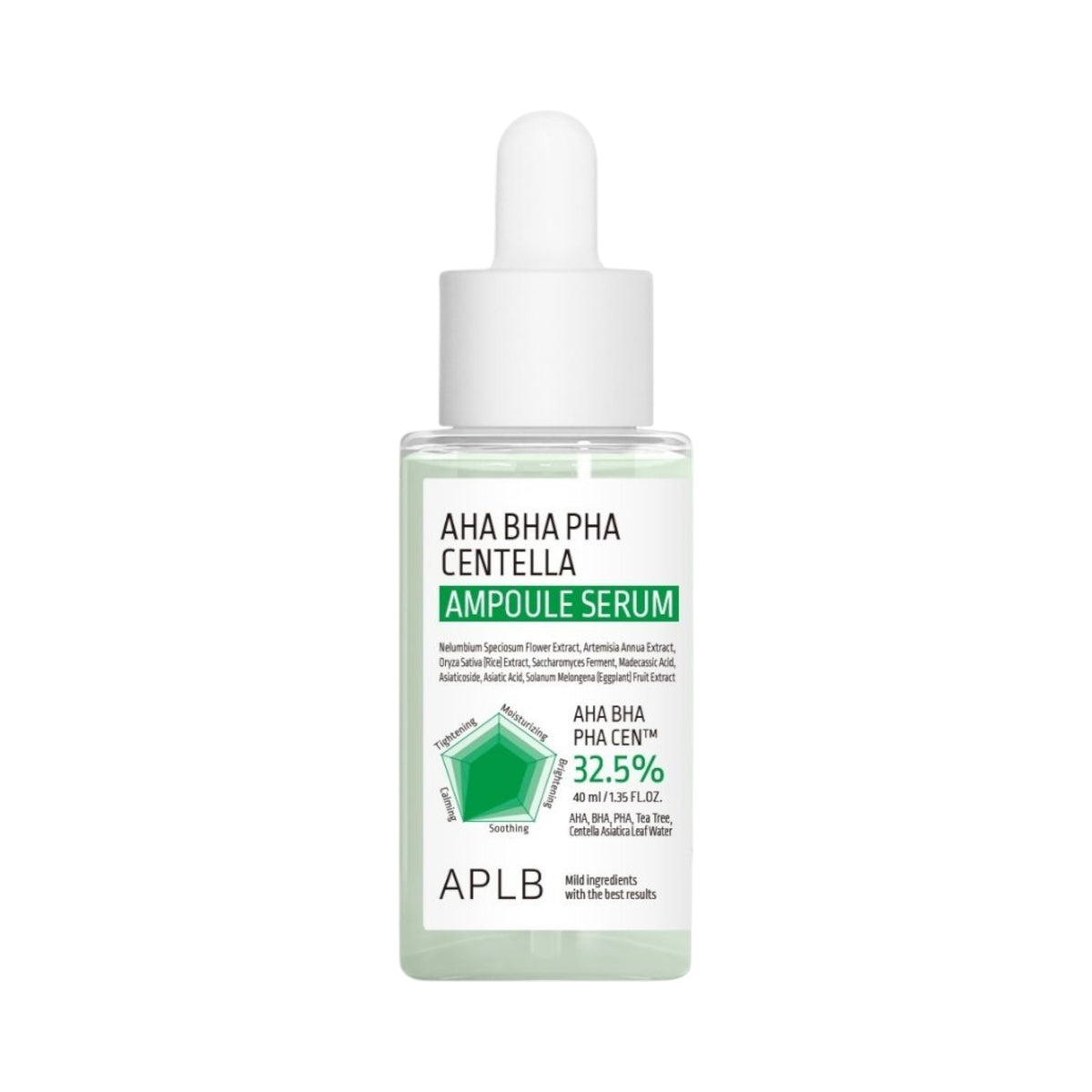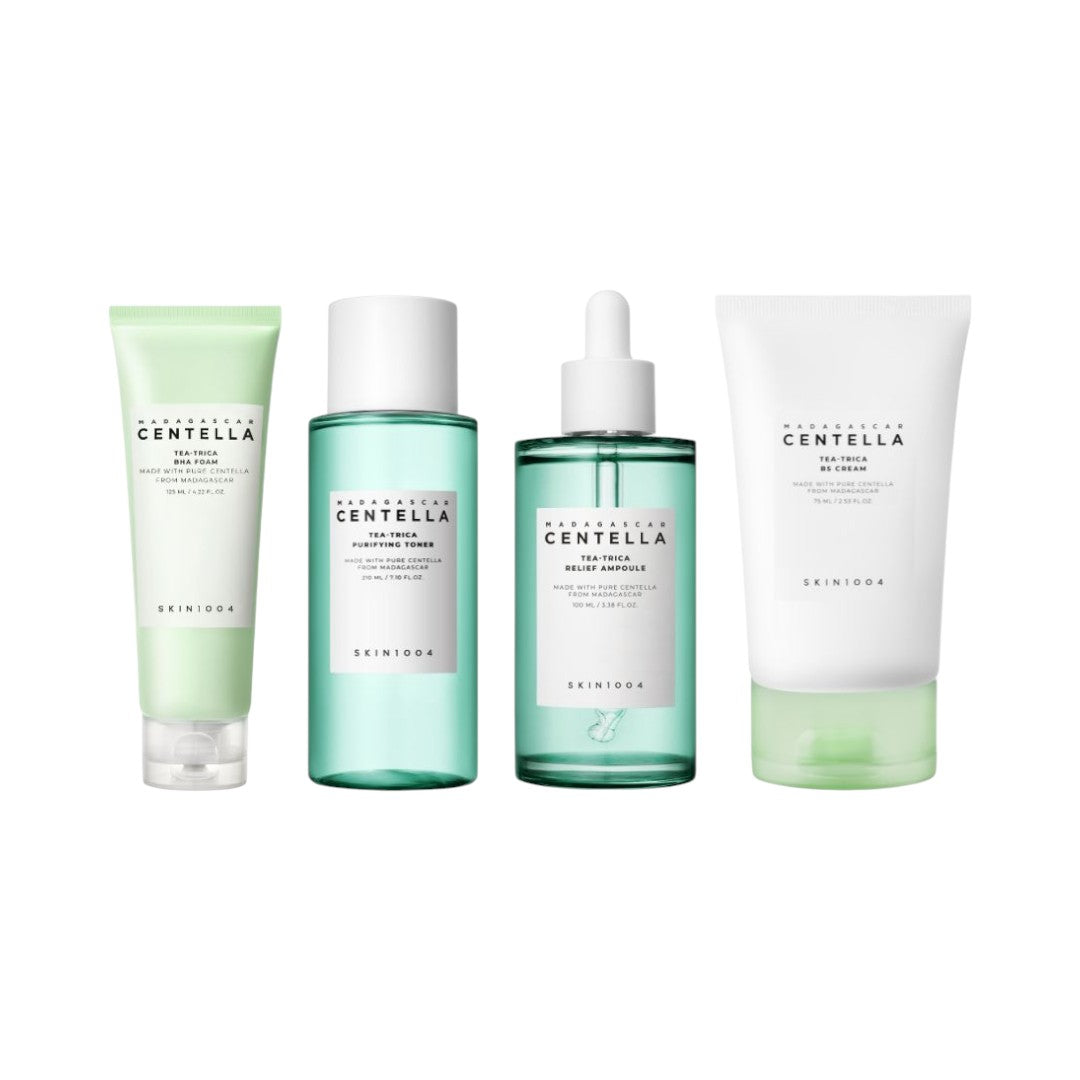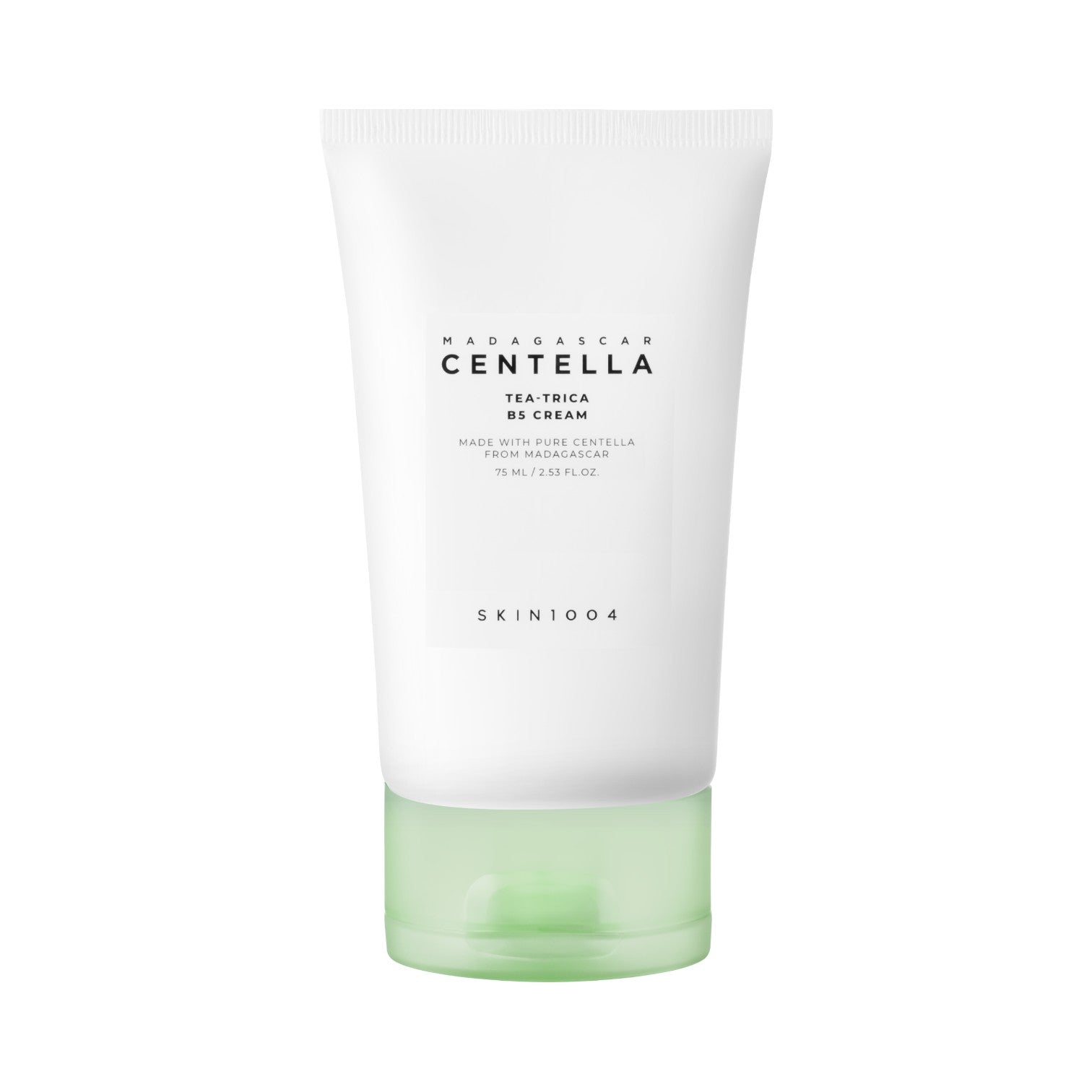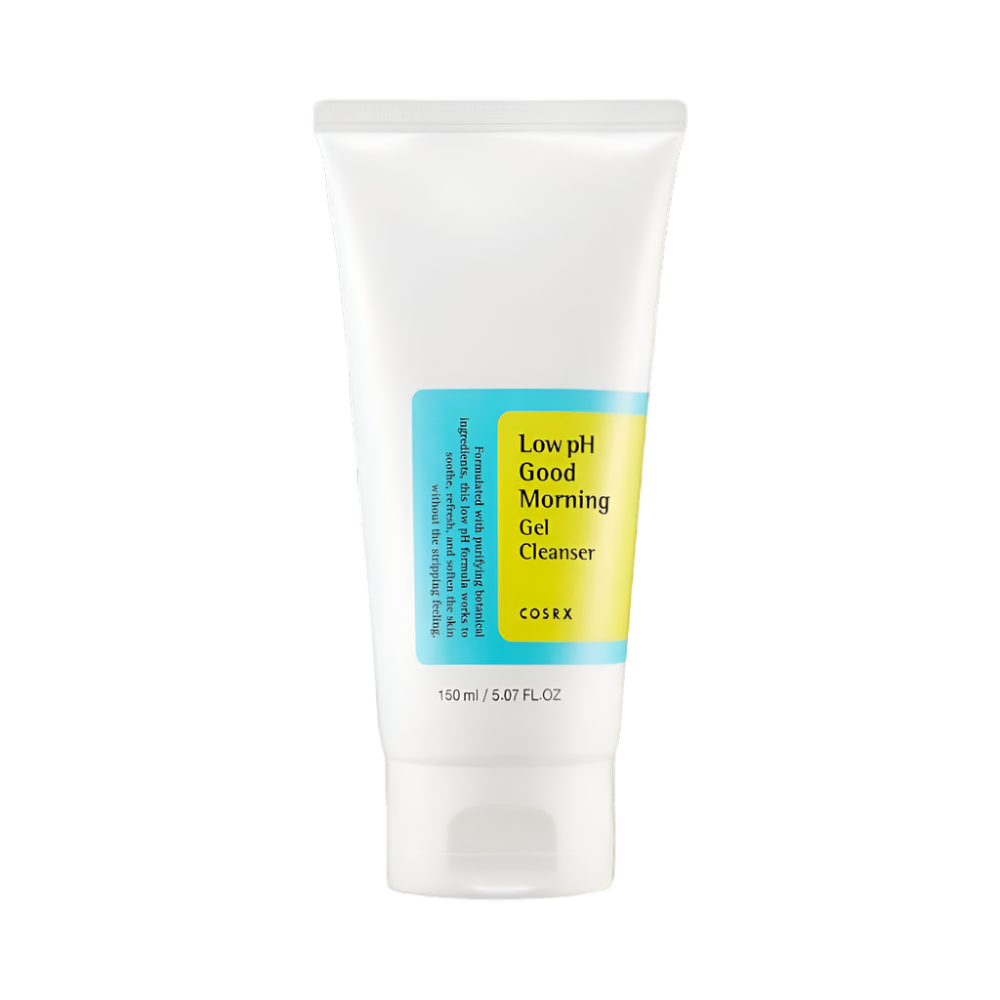
There is a scent that we recognize among a thousand: spicy, camphoraceous, a bit medicinal... Yes, this is tea tree oil! Probably, during our teenage years, a small bottle of it was hiding on the bathroom shelf as the "last hope" against pimples.
But does it really work, or is it just an old urban legend? And more importantly: did you know that you can do more harm than good if you use it incorrectly? 😱
Today, we will take a close look at this green miracle. We will not only see what it is, but also why it works on a biological level and how to incorporate it into your modern (even Korean) routine without burning your face!
What exactly is tea tree oil? (No, it has nothing to do with black tea!)
Although its name can be misleading, tea tree oil (Tea Tree Oil) has nothing to do with the tea you drink in the morning.
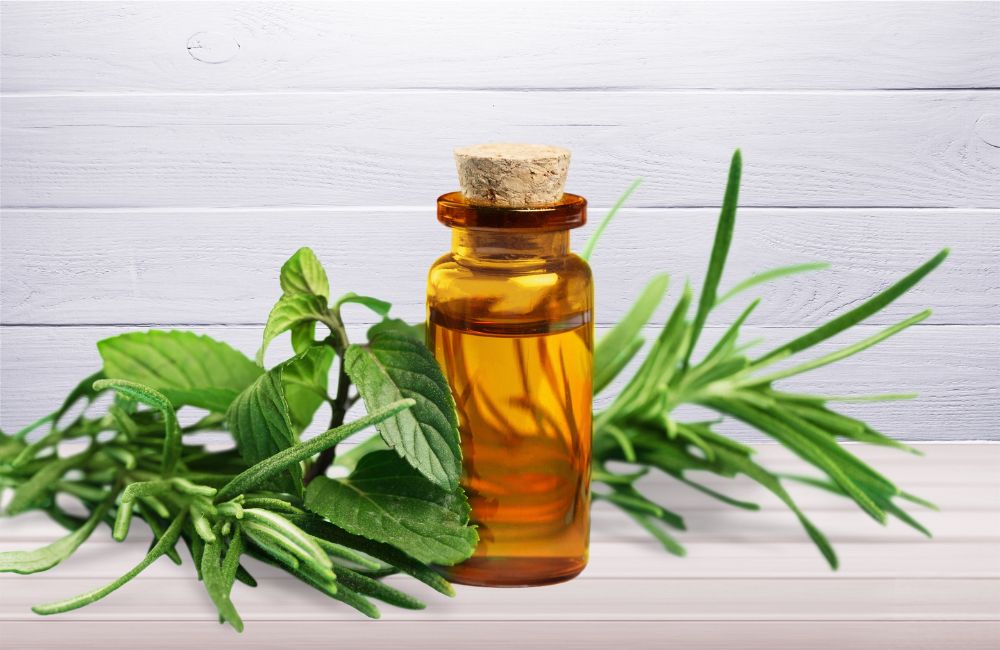
- The plant: It is obtained by steam distillation from the leaves of the Melaleuca Alternifolia, a tree native to Australia.
- The history: Australian Indigenous people have used it for centuries for wound healing and disinfection.
- The chemistry (why it works): The magic lies in the terpenes. Its most important active ingredient is terpinen-4-ol. Remember this name because this compound is responsible for the oil’s antimicrobial and anti-inflammatory power!
What is tea tree oil good for in skincare? – The 3 superpowers
The effects of tea tree oil are very diverse, but in skincare, it makes a lasting impact in three main areas. Let’s see why problematic skin loves it!
1. Antibacterial effect (Goodbye pimples!) 🦠
This is its best-known property. Research has shown that tea tree oil can fight the C. acnes (formerly P. acnes) bacteria, which is responsible for inflamed pimples.
- Fun fact: Some studies suggest that 5% tea tree oil gel is as effective as benzoyl peroxide (a strong pharmaceutical ingredient), but with fewer side effects!
2. Anti-inflammatory (Calm for the skin) 🔴
If you have a big, red, throbbing pimple, tea tree oil can help reduce swelling and redness. Terpinen-4-ol blocks inflammatory processes in the skin.
3. Sebum regulation (Less shine) ✨
Although it’s an oil, tea tree oil is not greasy—in fact, it helps "clean out" pores and regulate excessive oil production, making it a great ally in the fight against blackheads. It’s worth checking out our products for oily skin, where you’ll often find this ingredient.
The big danger: How NOT to use tea tree oil! ⚠️
Let’s pause here because this is the most important part of the article!
Many make the mistake of applying 100% pure essential oil directly on pimples or their entire face. Please, DO NOT do this!
- Why? Pure essential oil is extremely concentrated. Applied directly to the skin, it can cause chemical burns, irritation, redness, and even allergic reactions (contact dermatitis).
- The risk of oxidation: If your tea tree oil is old and exposed to air (oxidized), it is even more likely to irritate.
Rules for proper use:
- Dilution: If you have pure oil, always dilute it in a carrier oil (e.g., jojoba oil, squalane) or mix it into your moisturizer. The recommended concentration for the face is a maximum of 1-5%.
- Choose ready-made products: The safest option is to choose a Korean cosmetic where the manufacturer has already blended the tea tree extract in a safe ratio. (Koreans are masters at this!)
- Spot treatment: Apply only on the pimple, not on your whole face, unless it’s a gentle toner or serum.
Who is tea tree oil recommended for?
Tea tree oil is not for everyone. See which group you belong to!
✅ It’s for you if:
- You have oily or combination skin.
- You are prone to pimples and acne.
- You like natural solutions.
❌ Be cautious if:
- Your skin is very sensitive or rosacea-prone (camphor ingredients can flare up redness).
- You have eczema.
- You are pregnant (although it is considered safe on the skin, always consult a doctor because it is an essential oil!).
Tea tree oil in Korean skincare – Where to find it?
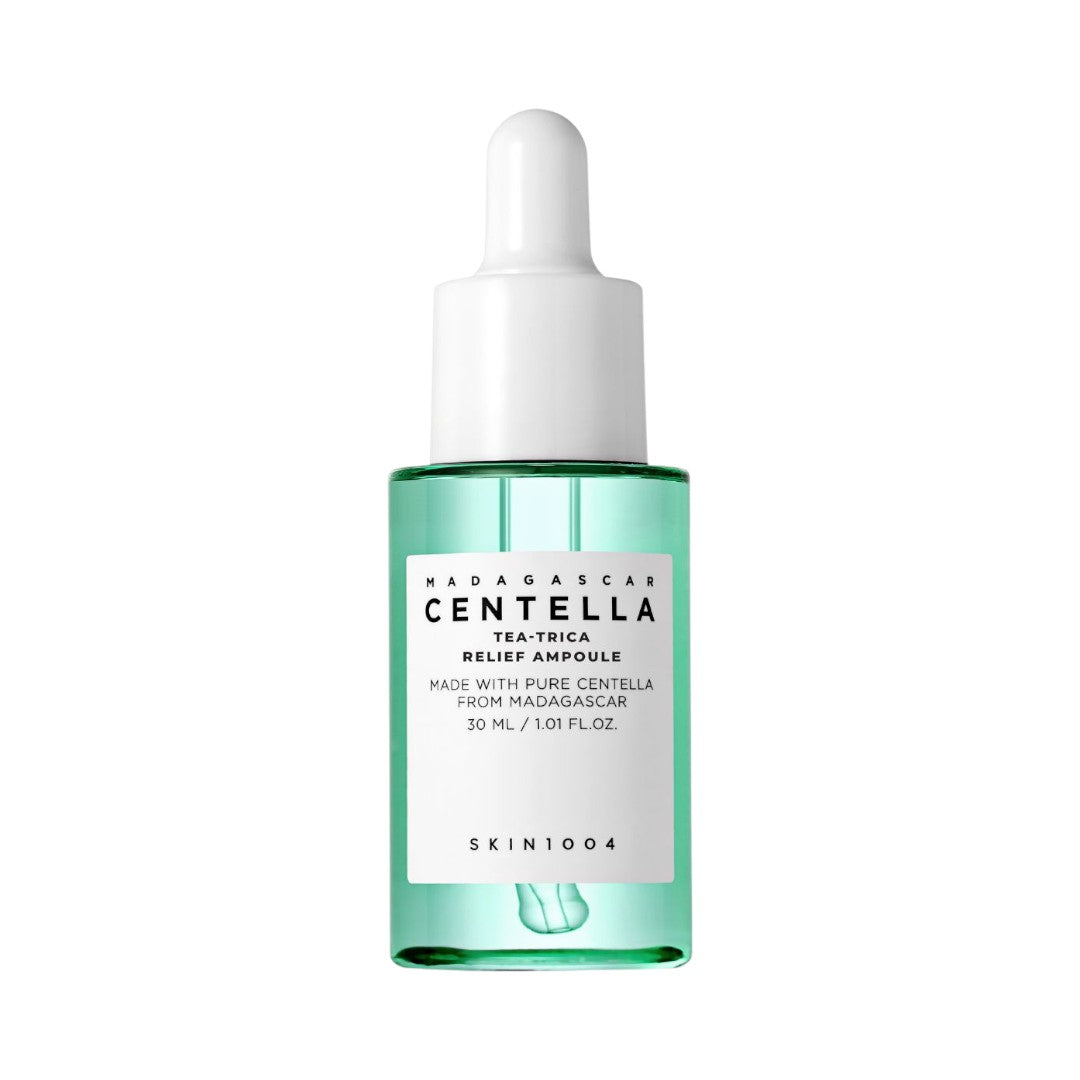
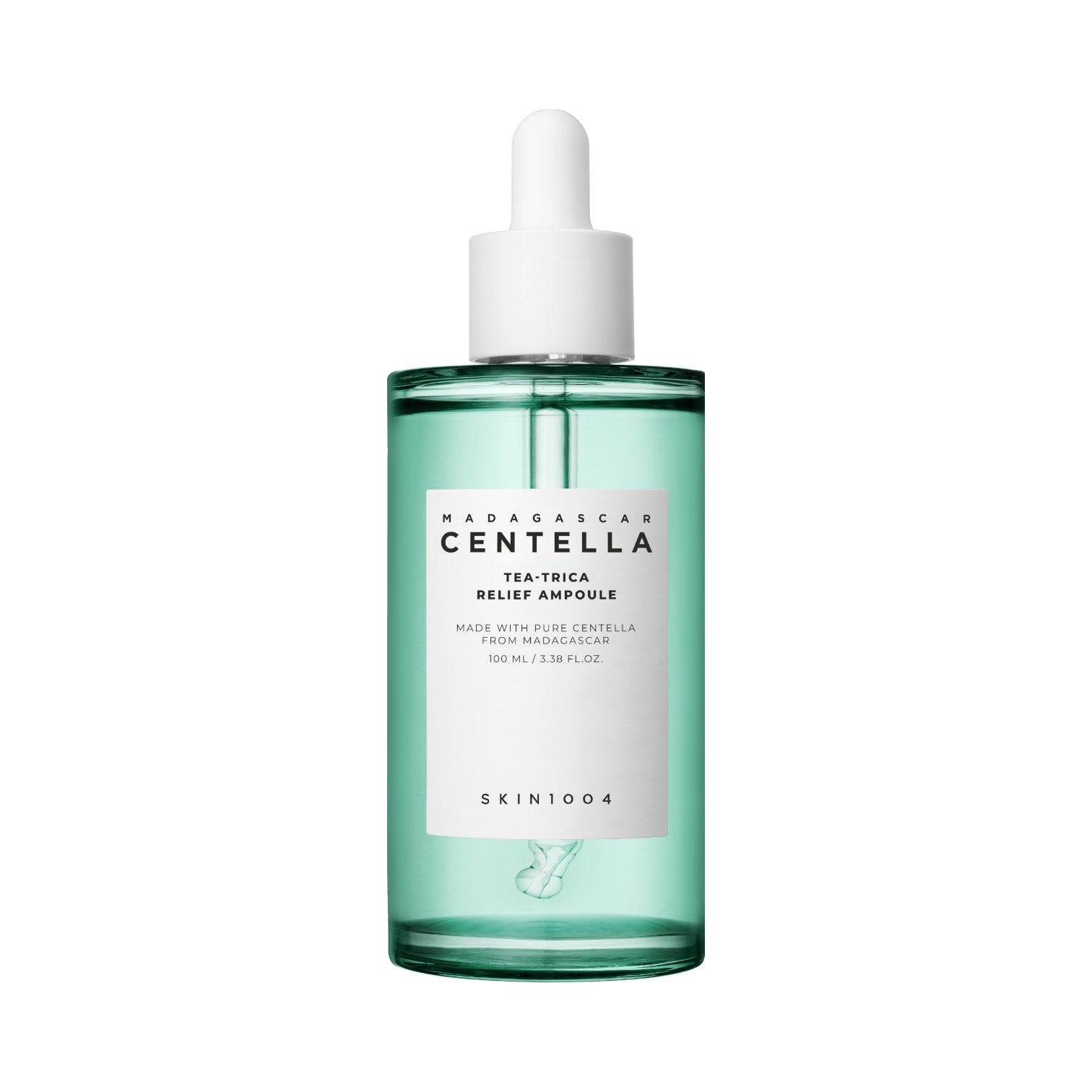
K-Beauty loves tea tree (you’ll often see it listed as Tea Tree or Melaleuca in ingredient lists). The genius of Korean formulas is that tea tree is often paired with soothing Centella (Cica) or moisturizing ingredients, so the effect is strong but not drying.
In what form is it best to use?
- Cleansers: Tea tree cleansers are perfect for oily skin because they disinfect during cleansing.
- Toners: They help restore pH balance and keep bacteria in check.
- Serums: This is where the effect is most concentrated – a must-have for acne-prone skin!
- Acne patches: My favorite! These little patches often contain tea tree oil, which works targeted on the pimple all night while the hydrocolloid draws out the fluid. Check out our acne patch selection!
Summary
Tea tree oil is not magic, but chemistry. A fantastic, natural disinfectant and anti-inflammatory that—if used wisely—can be the best friend of oily, acne-prone skin.
The key is moderation: never apply it pure on your face; instead, choose professionally formulated products where the power of tea tree is combined safely.
Struggling with pimples? Discover our best Korean tea tree oil products and say goodbye to inflammation naturally! 🌿