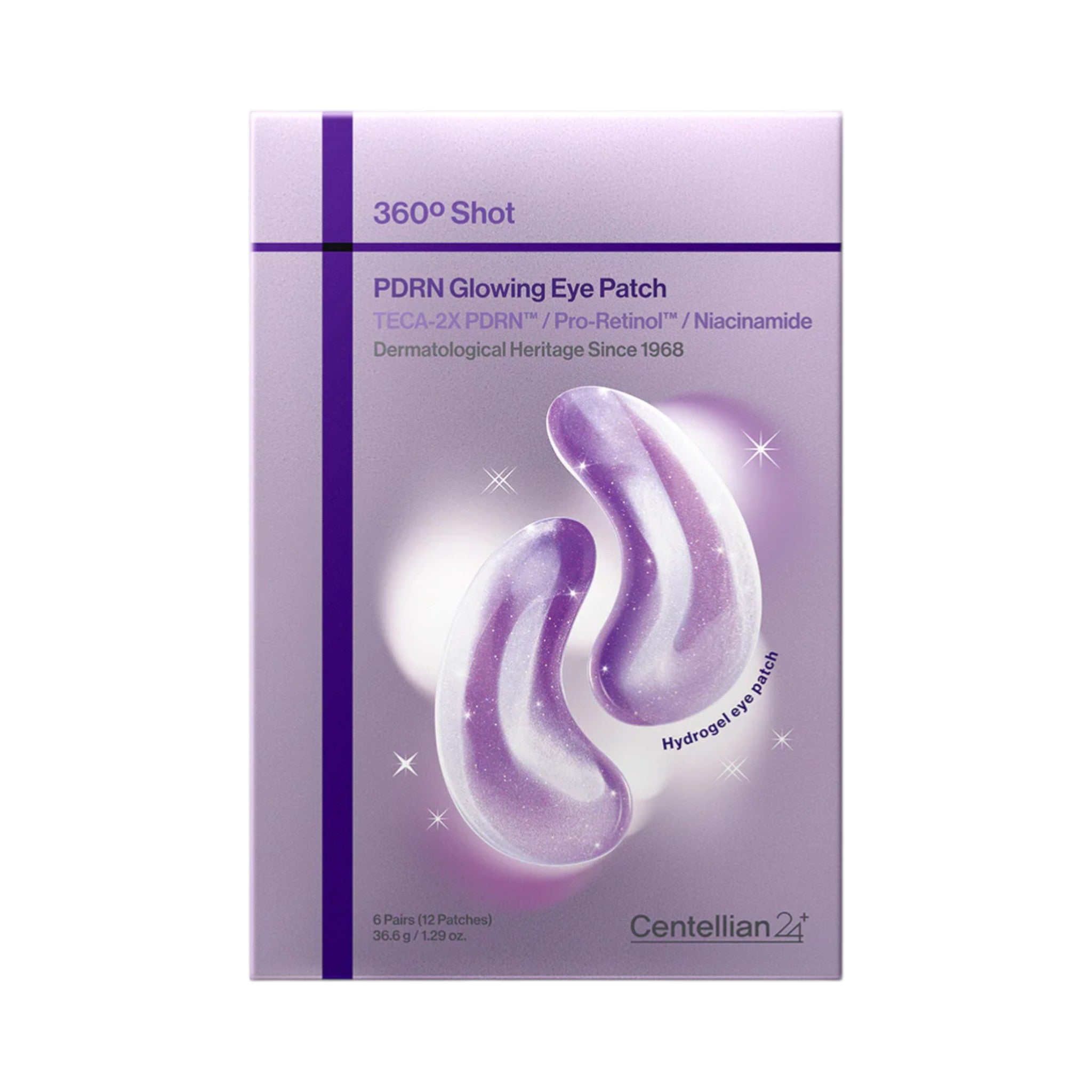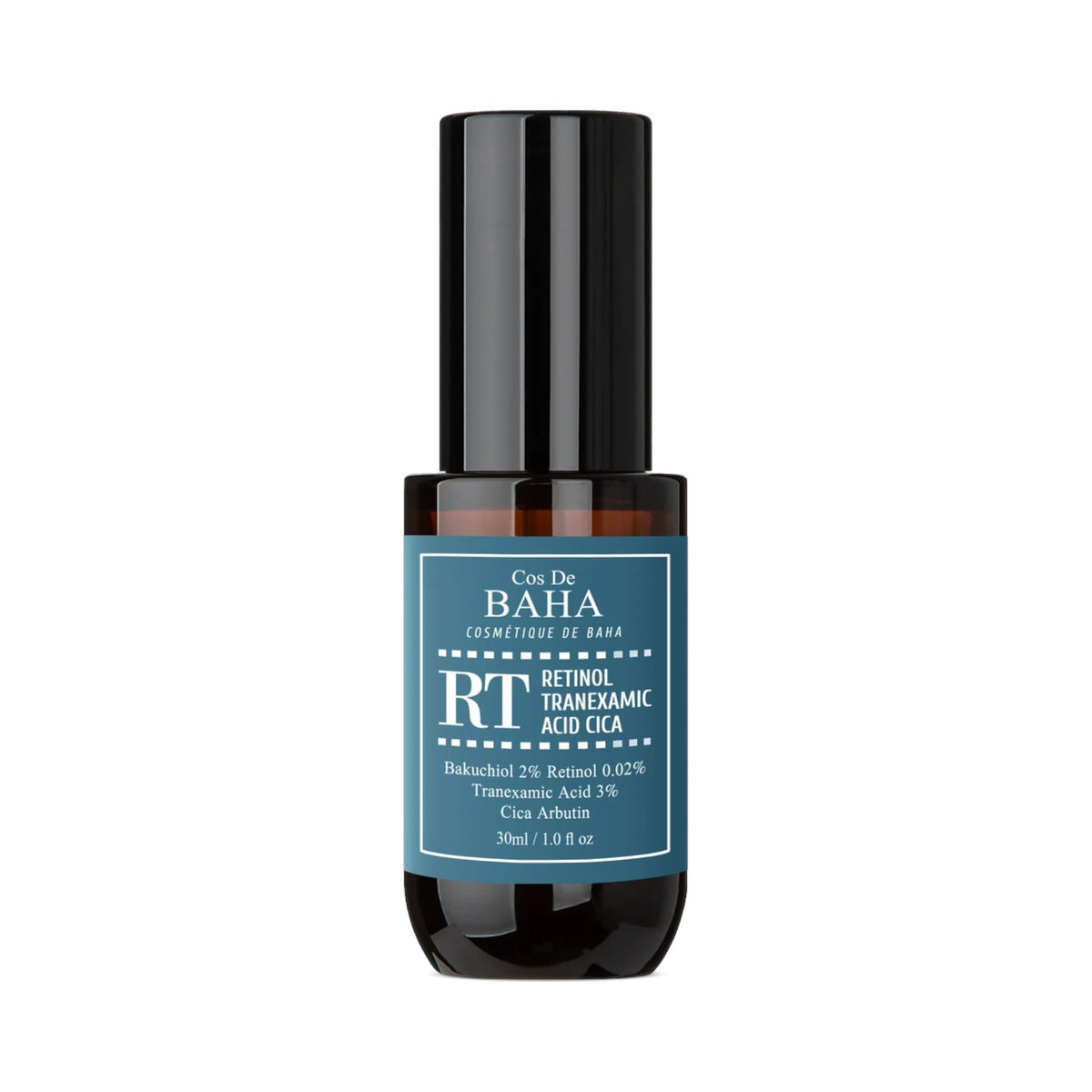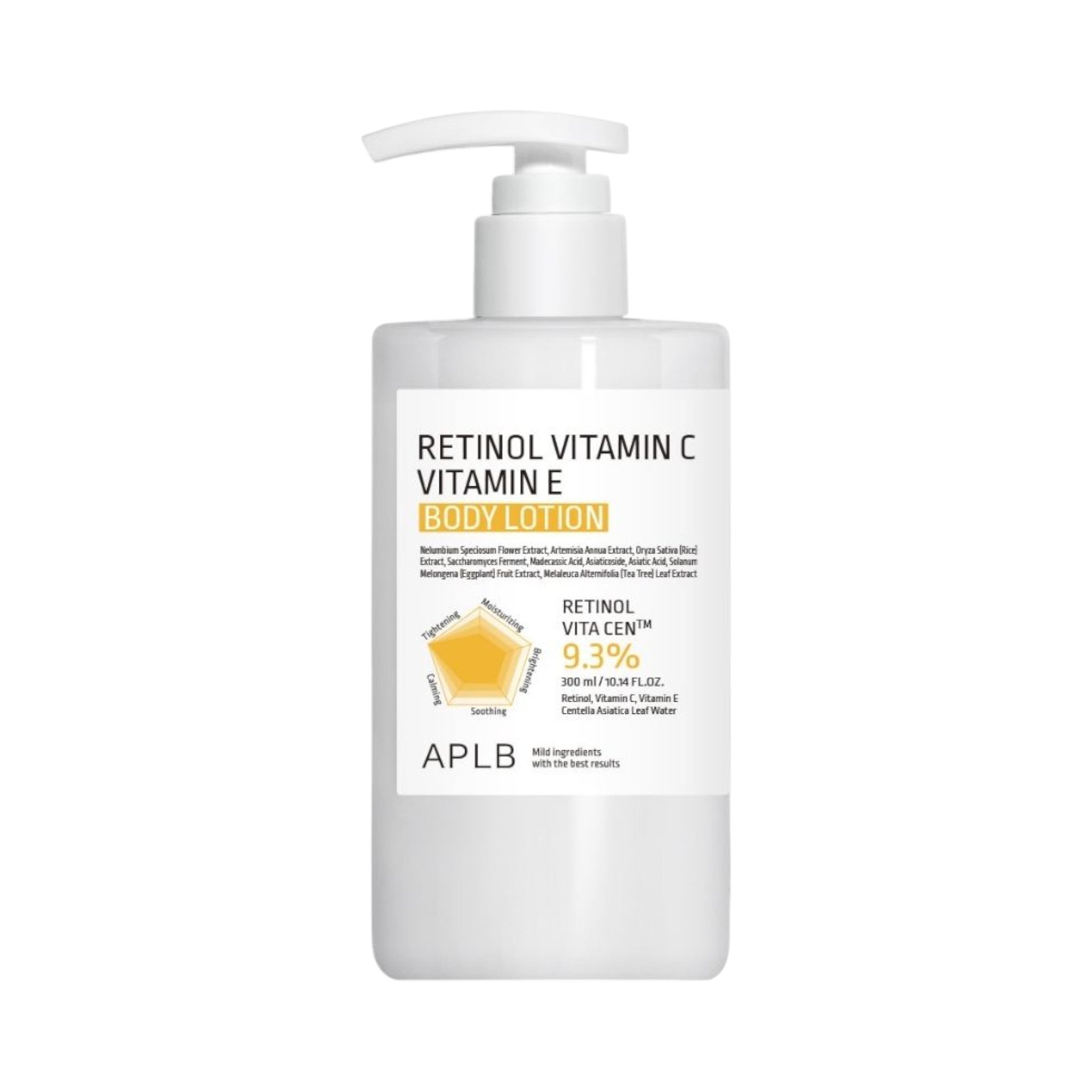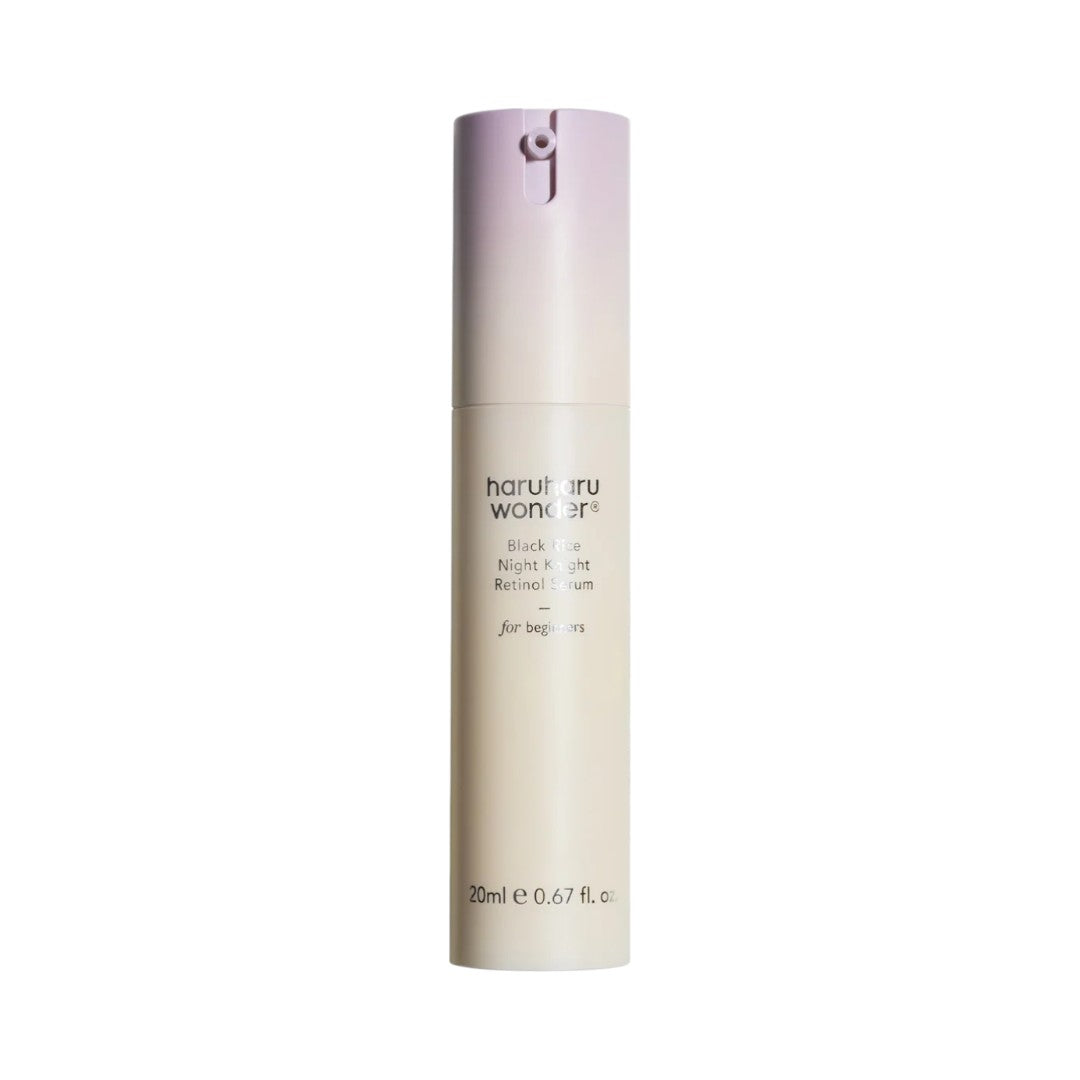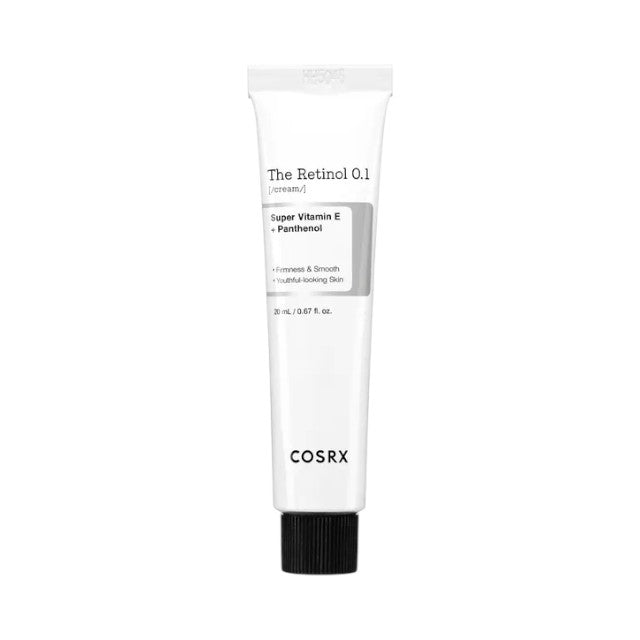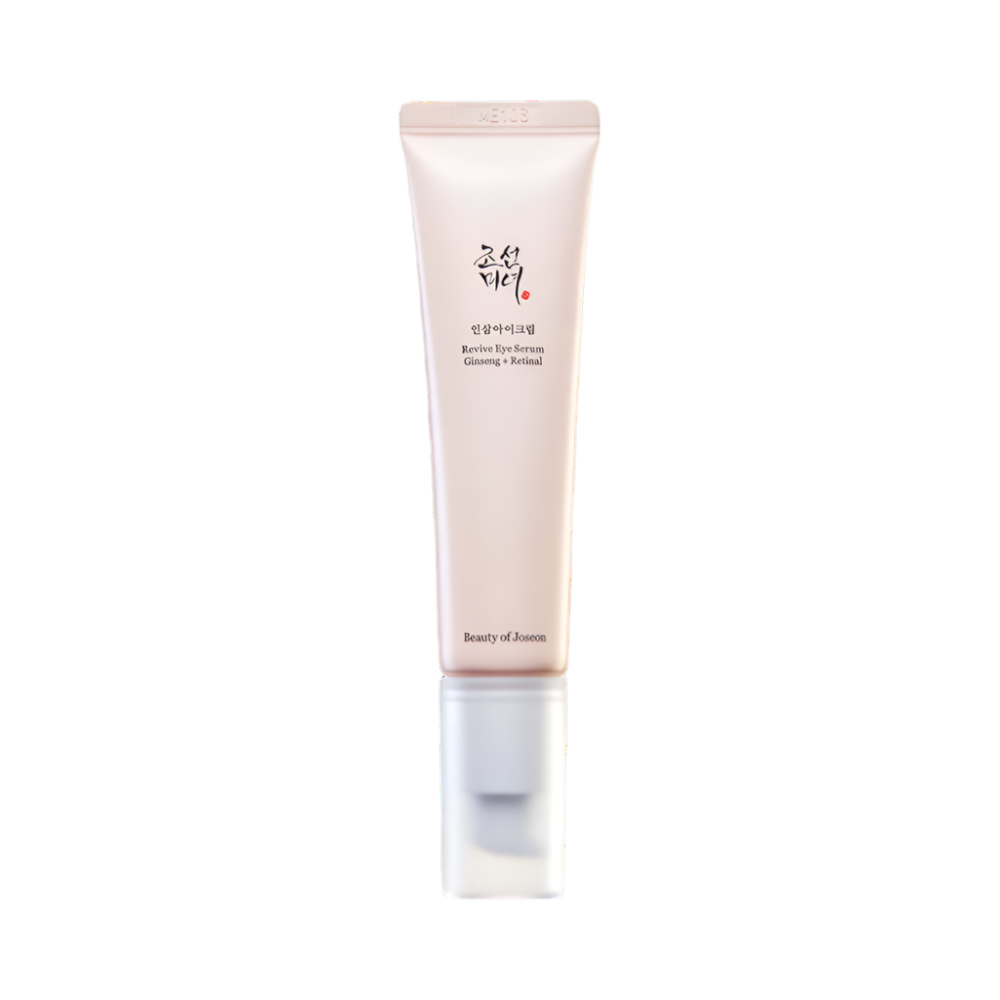
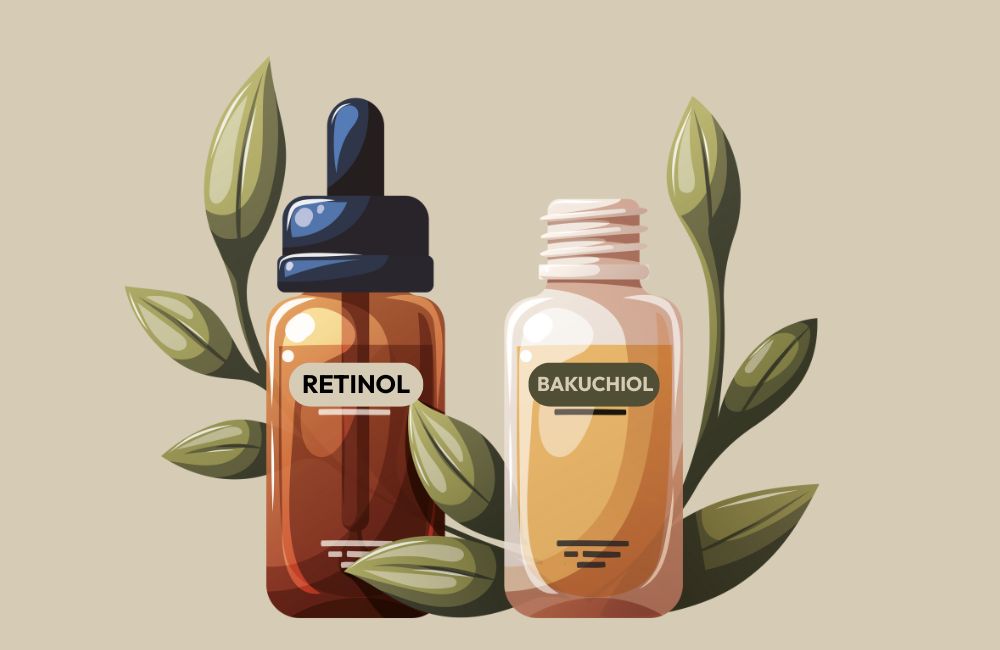
If you’ve even just dipped your toes into the world of anti-aging, your heart probably skips a beat (with a mix of awe and a little fear) at the word "retinol." It’s the king, the gold standard, the dermatologist’s favorite. But what if we told you there’s a challenger? A gentle, plant-based warrior promising the same results with less drama?
Meet bakuchiol (pronounced ba-koo-chee-ol), here to shake up everything you thought you knew about anti-aging! But can it really measure up to the heavyweight retinol? It’s time for them to face off and decide who earns a spot on your bathroom shelf!
The Champion: Get to Know Retinol!
Retinol is a vitamin A derivative and has been one of the most proven and effective anti-aging ingredients for decades.
- Superpowers: It turbocharges cell renewal, stimulates the skin’s collagen production, which is responsible for firmness and elasticity. Thanks to this, it effectively smooths wrinkles, fades dark spots, and even fights acne.
- The dark side: Retinol is a true diva. It’s very strong, so it can cause irritation, redness, peeling, and dryness for many until the skin gets used to it. It makes the skin sensitive to light, so daily use of sunscreen is MANDATORY (but you should be using it anyway, right?). It’s absolutely off-limits during pregnancy and breastfeeding.
Who do we recommend it for? Those who want maximum effectiveness and have skin that is more tolerant, not too sensitive. They are patient and ready to go through the adjustment period for spectacular results.
The Challenger: Get to Know Bakuchiol!
Bakuchiol is a 100% plant-based antioxidant extracted from the seeds and leaves of the Babchi (Psoralea coryfolia) plant. It has burst onto the scene as a natural, vegan alternative to retinol.
- Superpowers: Clinical studies show that bakuchiol can stimulate collagen production and improve signs of skin aging (wrinkles, dark spots, loss of elasticity) very similarly to retinol. It does all this without causing irritation! Additionally, it has strong anti-inflammatory and antibacterial effects.
- Advantages: Much gentler on the skin. It does not cause light sensitivity (though sunscreen is still necessary!), so it can be incorporated into your morning routine. Safe to use during pregnancy and breastfeeding. No need for a slow, cautious introduction.
Who do we recommend it for? Those with sensitive, reactive skin who can’t tolerate retinol. Expectant and nursing mothers. Those who prefer natural, vegan ingredients and are looking for a gentle yet effective anti-aging solution.
Decision Time: Which One Should You Choose?
There’s no clear winner, only the perfect choice for your skin! Here’s some help: