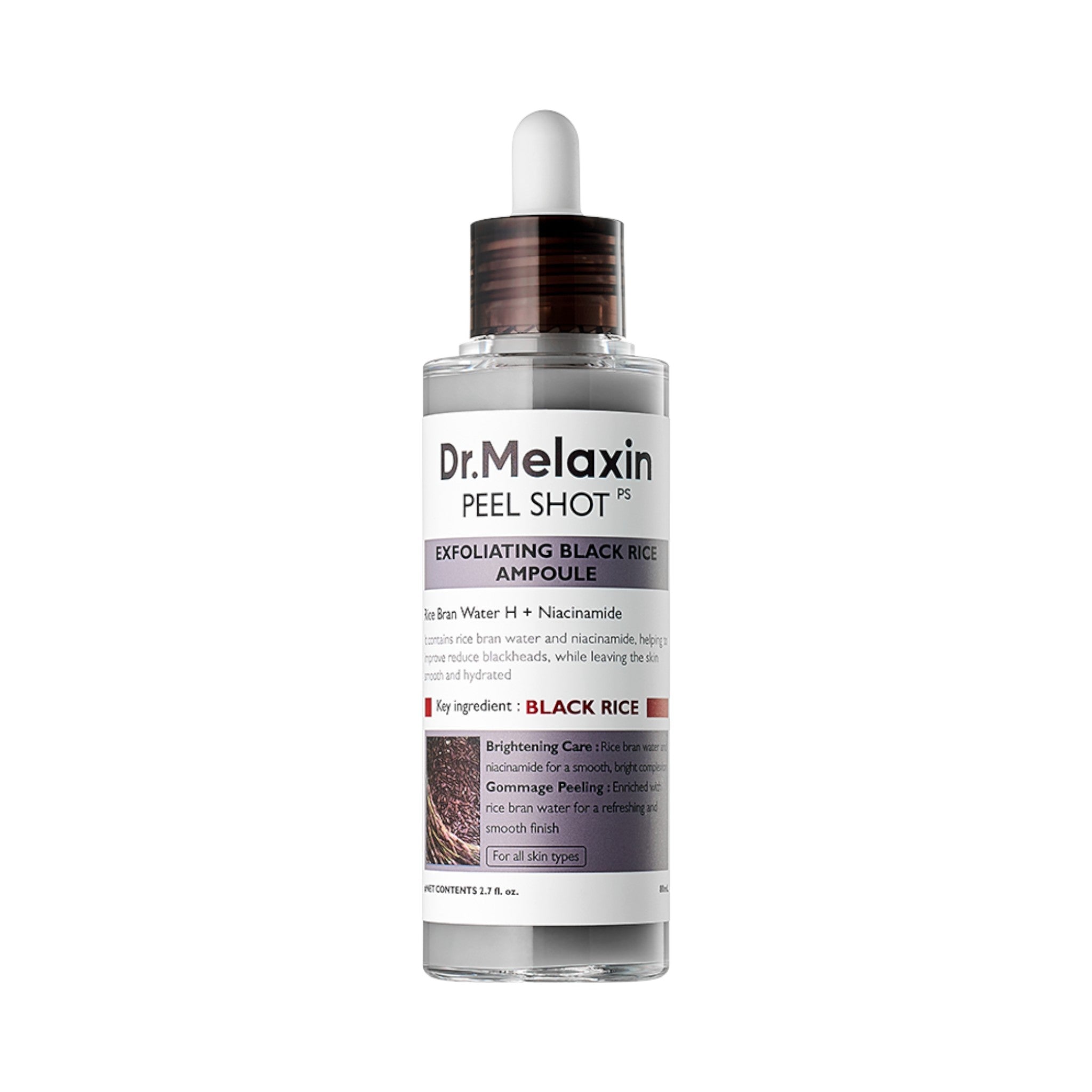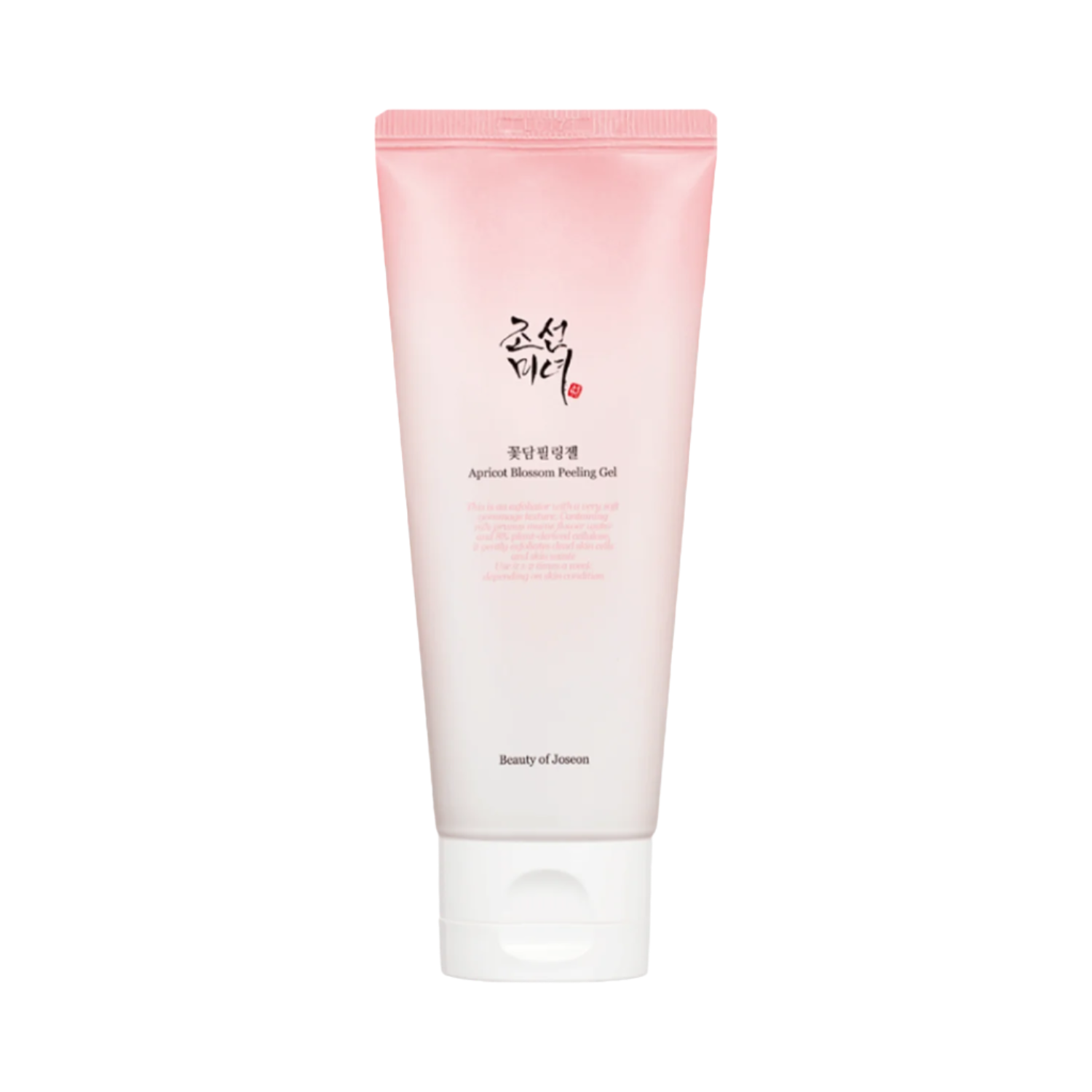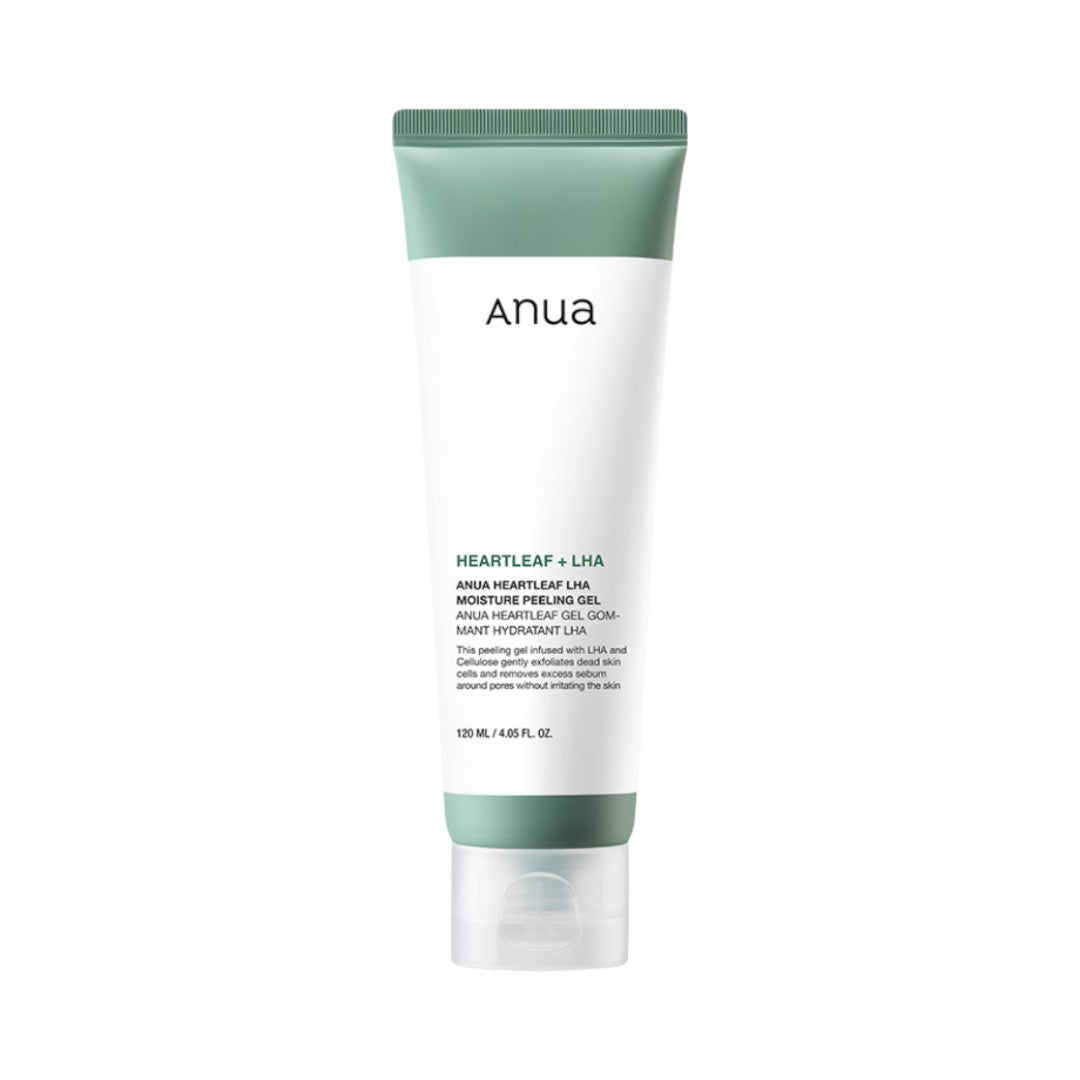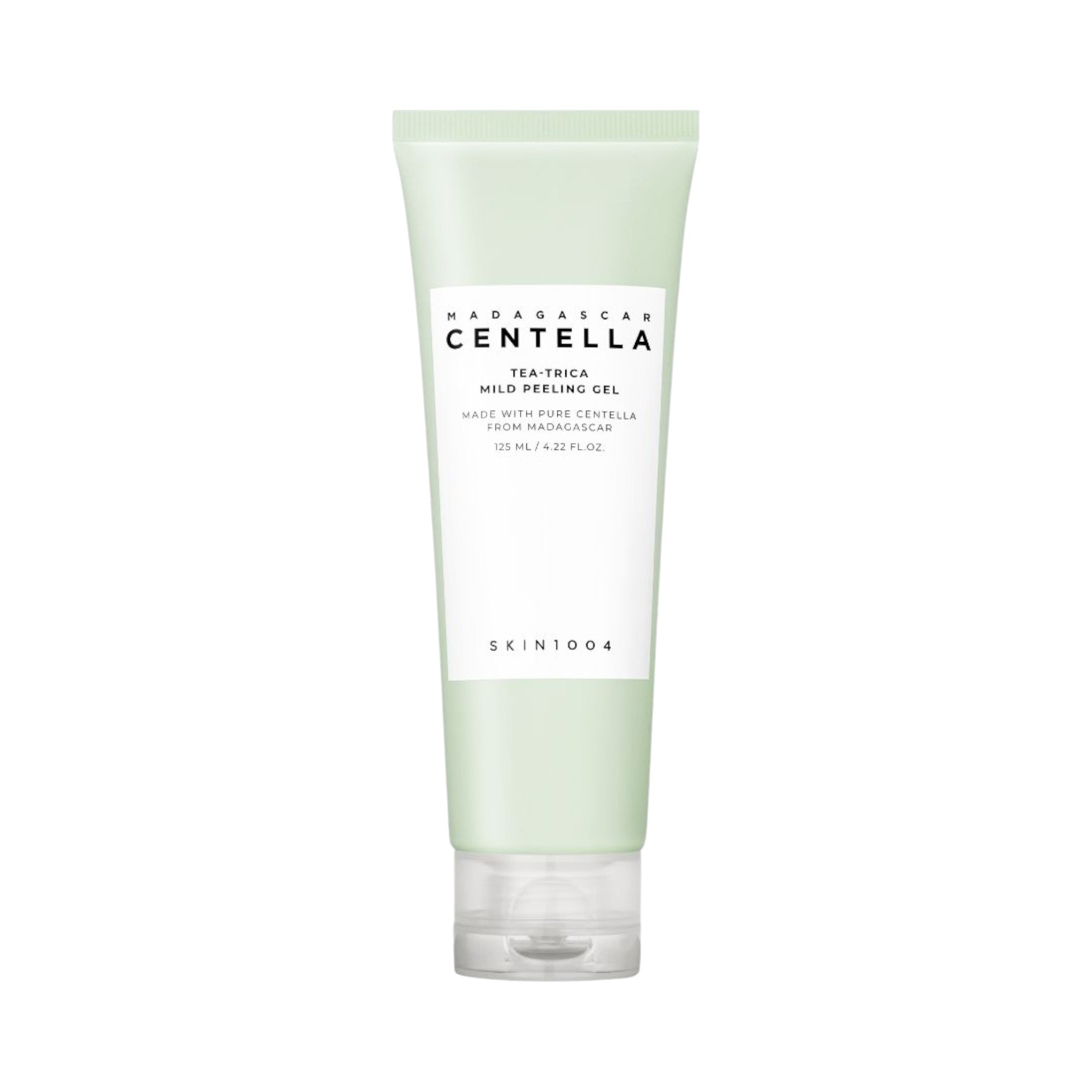
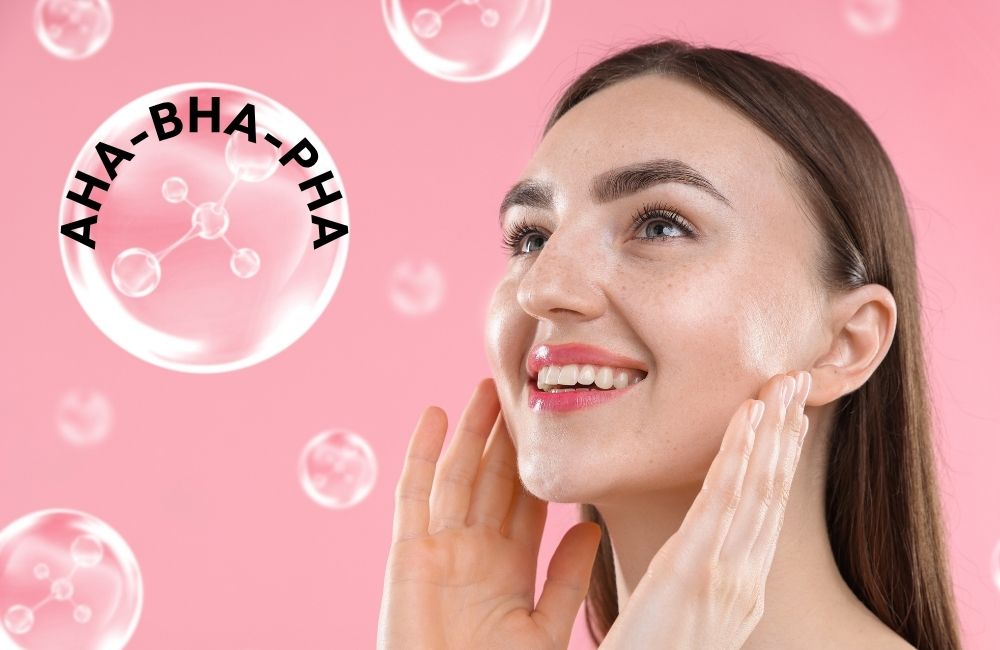
Do you still remember the old apricot kernel scrubs with which we used to sand off at least three layers of skin during the weekly "big exfoliation"? 😱 Fortunately, skincare has come a long way since then! Today, we know that for radiant, smooth skin, you don’t need to scrub but rather handle superstars like AHA and BHA acids wisely. This is the secret of modern chemical exfoliation!
Welcome to the wonderful world of chemical exfoliants! We know, we know, the word “acid” sounds scary at first, and seeing the letter combinations AHA, BHA, PHA really makes you think of a chemistry class. But don’t worry! We’re here to present this topic simply, friendly, and without fear. 💖
By the end of this article, you’ll know exactly which acid will be your skin’s best friend!
Why is exfoliation the key to glowing skin? – Say goodbye to dull skin!
Imagine dead skin cells constantly accumulating on the surface of your skin like dust bunnies in the corner. 🐱 This invisible layer is responsible for dull, lifeless skin tone, can clog pores (hello, blackheads!), and prevents your expensive serums and creams from absorbing effectively. 💔
The essence of chemical exfoliation is that these superstar acids gently dissolve the “glue” that holds these dead cells on the surface, making way for fresh, radiant, baby-soft new skin.
Which exfoliant is right for you? (AHA, BHA, PHA)
Now let’s get to know the three siblings! They’re all great but work differently to make your skin shine in its best form.
1. AHA (Alpha Hydroxy Acid) – The master of surface glow ✨
- How does it work? AHA acids are water-soluble, so they work on the surface of the skin. They act like Pac-Man, “eating” the bonds that hold dead skin cells together.
- Who is it good for? This exfoliation is perfect for dry, normal, mature, or sun-damaged skin that has lost its glow.
- What is it good for? Smoothing rough texture, fading pigmentation spots and minor scars, and revitalizing dull skin tone.
- Examples: The most common are glycolic acid (a real race car, fast and effective) and lactic acid (glycolic acid’s gentler sibling that also hydrates).
2. BHA (Beta Hydroxy Acid) – The superhero of pores 🦸♀️
- How does it work? BHA is oil-soluble. That’s its superpower! 🚀 It can penetrate deep into pores (through sebum) and clean them from the inside. Imagine it as a pore-cleaning ferret!
- Who is it good for? This exfoliation is a savior for oily, combination, acne-prone, and blackhead-prone skin.
- What is it good for? Dissolving sebum and impurities accumulated in pores, treating and preventing blackheads and acne. It also has excellent anti-inflammatory effects.
- Example: In cosmetics, you’ll almost exclusively find salicylic acid.
3. PHA (Poly Hydroxy Acid) – The best friend of sensitive skin 🌿
- How does it work? PHA is the closest relative of AHA but has a much larger molecular size. Because of this, it cannot penetrate as deeply and works more slowly and gently on the skin’s surface without irritation. It’s the family’s “gentle giant.”
- Who is it good for? This gentle exfoliation is perfect for very sensitive, rosacea-prone, eczema-prone skin or for those just starting with chemical exfoliation.
- What is it good for? Gentle exfoliation, increasing skin hydration, and antioxidant protection.
- Examples: Gluconolactone, Lactobionic Acid.
The 5 golden rules of chemical exfoliation (to avoid disaster!)
Super excited? Great! But before you slather yourself from head to toe, here are the 5 most important rules you should NEVER break:
- Start slowly! (Really!) 🐢 Don’t attack your face every night! Start 1-2 times a week and watch how your skin reacts. Less is sometimes more.
- Use only at night! 🌙 Exfoliating acids can make your skin sensitive to light, so it’s best to include them in your evening routine.
- SUNSCREEN, SUNSCREEN, SUNSCREEN! ☀️☀️☀️ This is non-negotiable. It’s MANDATORY. The day after exfoliating (and every other day), don’t step outside without at least SPF30 sunscreen!
- Don’t mix blindly! 🔬 As a beginner, don’t use other strong active ingredients like retinol or high-dose vitamin C in the same routine.
- Listen to your skin! 💖 If it stings, burns, tightens, or turns red, your skin is signaling “STOP!”. It’s too much for it. Take a break and focus on restoring your skin barrier!
❓ Frequently Asked Questions (FAQ) about exfoliation
1. Should I choose physical or chemical exfoliation? While a gentle physical scrub has its place, most dermatologists today recommend chemical exfoliation. Why? Because it removes dead skin cells more evenly and avoids the risk of micro-injuries on the skin surface caused by rough particles.
2. Can I use both AHA and BHA exfoliants in my routine? Yes, but only carefully and if you’re experienced! Don’t use them at the same time or right after each other. The best method is to alternate: use AHA one night, BHA another night (and have plenty of exfoliation-free days in between!).
3. Is it normal for my skin to tingle after exfoliating? A very mild tingling lasting a few seconds, especially at the beginning, can be normal. However, if the sensation is strong, burning, or uncomfortable and doesn’t go away, wash off the product immediately as it indicates irritation!
Regular but gentle exfoliation is one of the most important steps in the Korean 10-step routine. How often and on which days to include it can be guided by our full routine guide.
Where can you find gentle and effective exfoliants?
Ready to find your personal acid to say goodbye to dull skin? ✨ If you’re looking for products that are effective yet gentle, you won’t be disappointed by the selection of Korean brands.
At the kbeautyforyou.hu online store, you’ll find a wide range of AHA, BHA, and PHA exfoliants, from beginner-friendly toners to professional serums. Product descriptions help you navigate, and the expert team ensures only the highest quality, reliable formulas make it to your shelves.