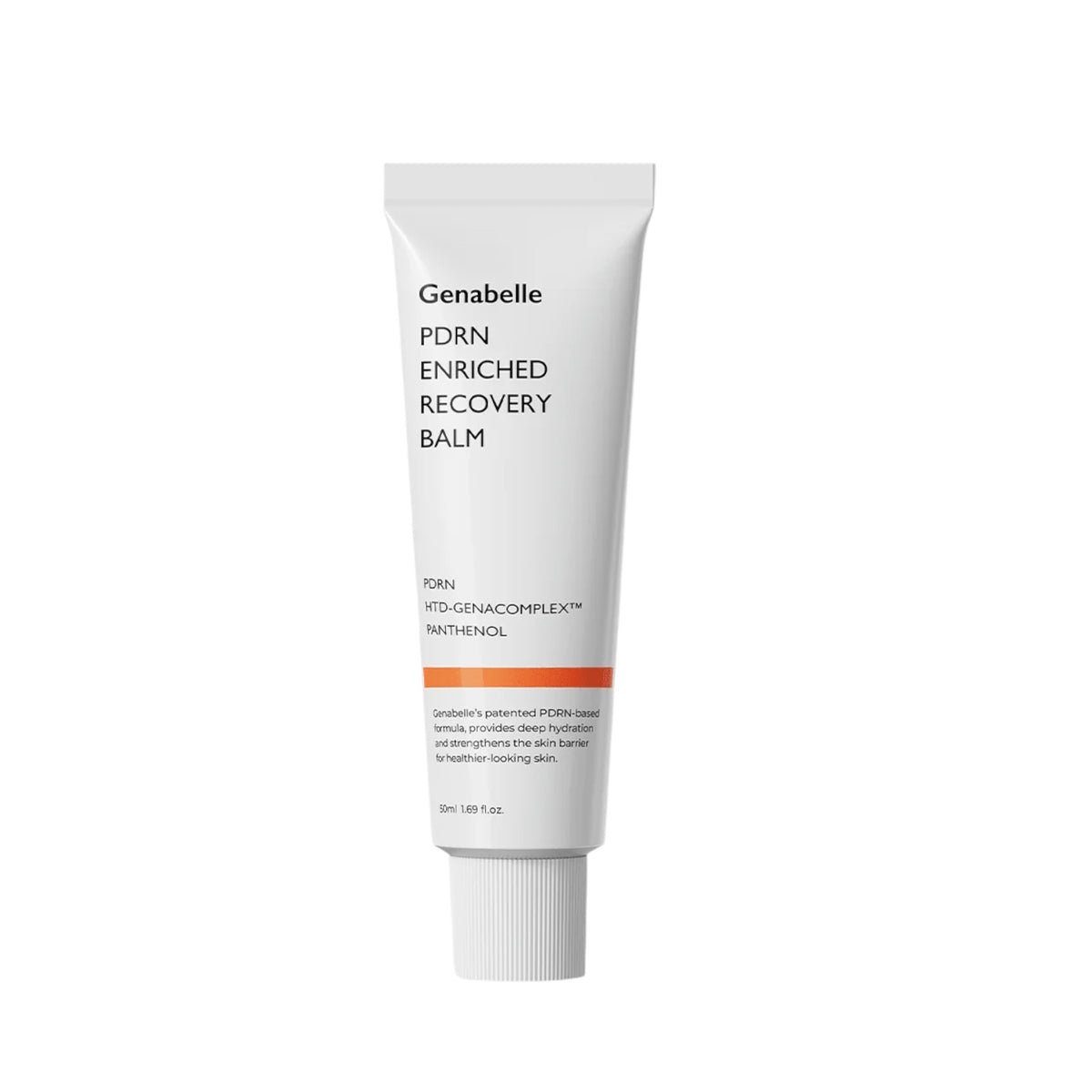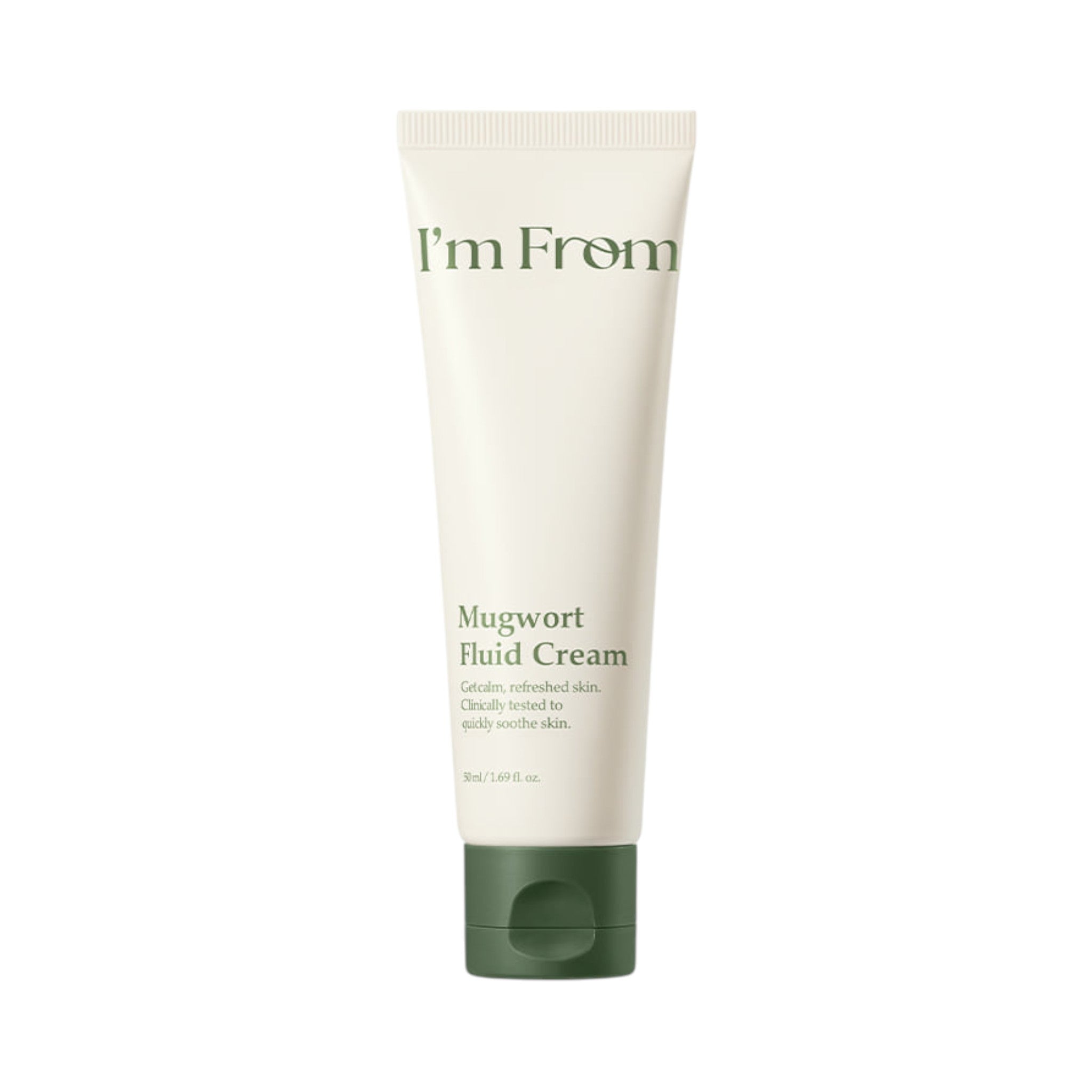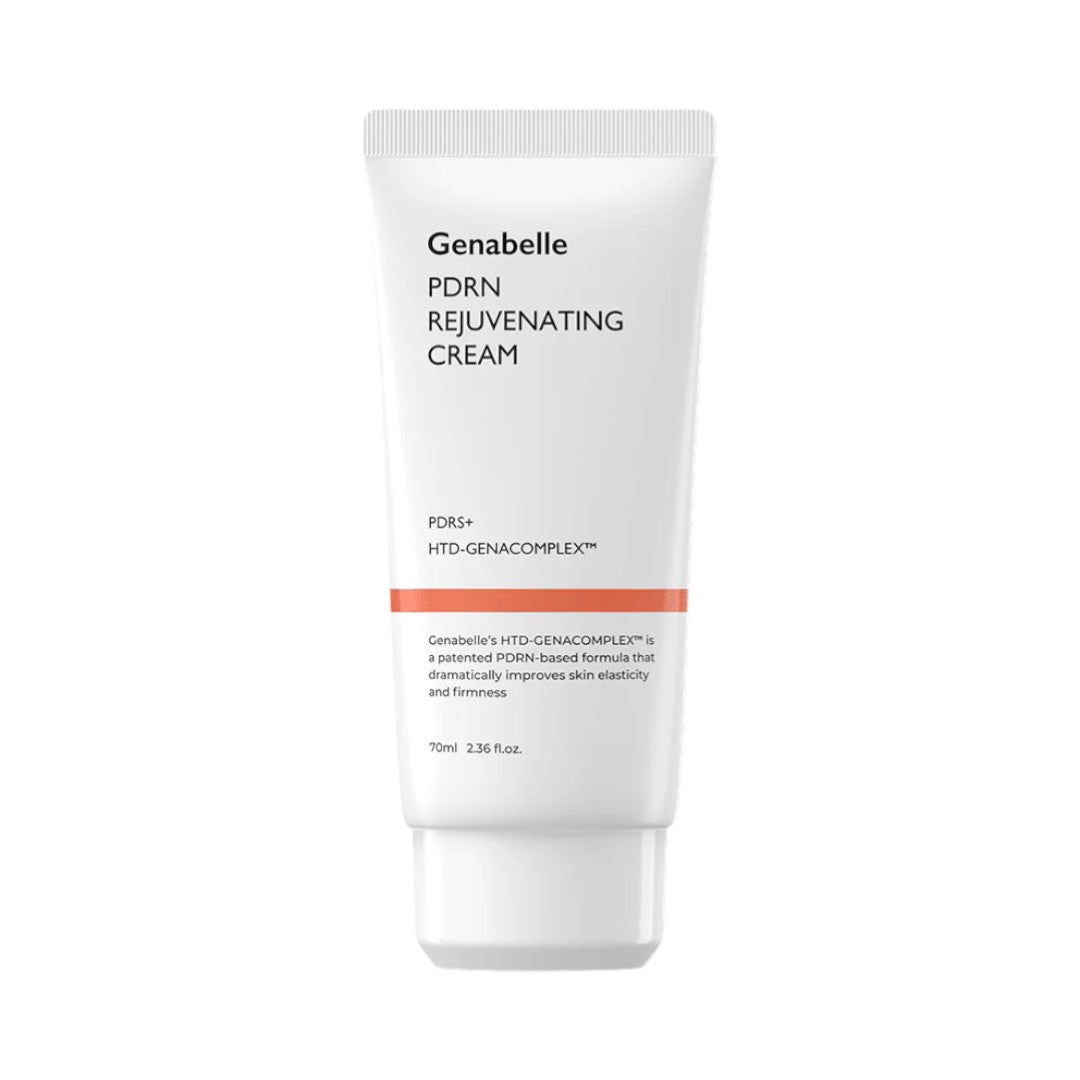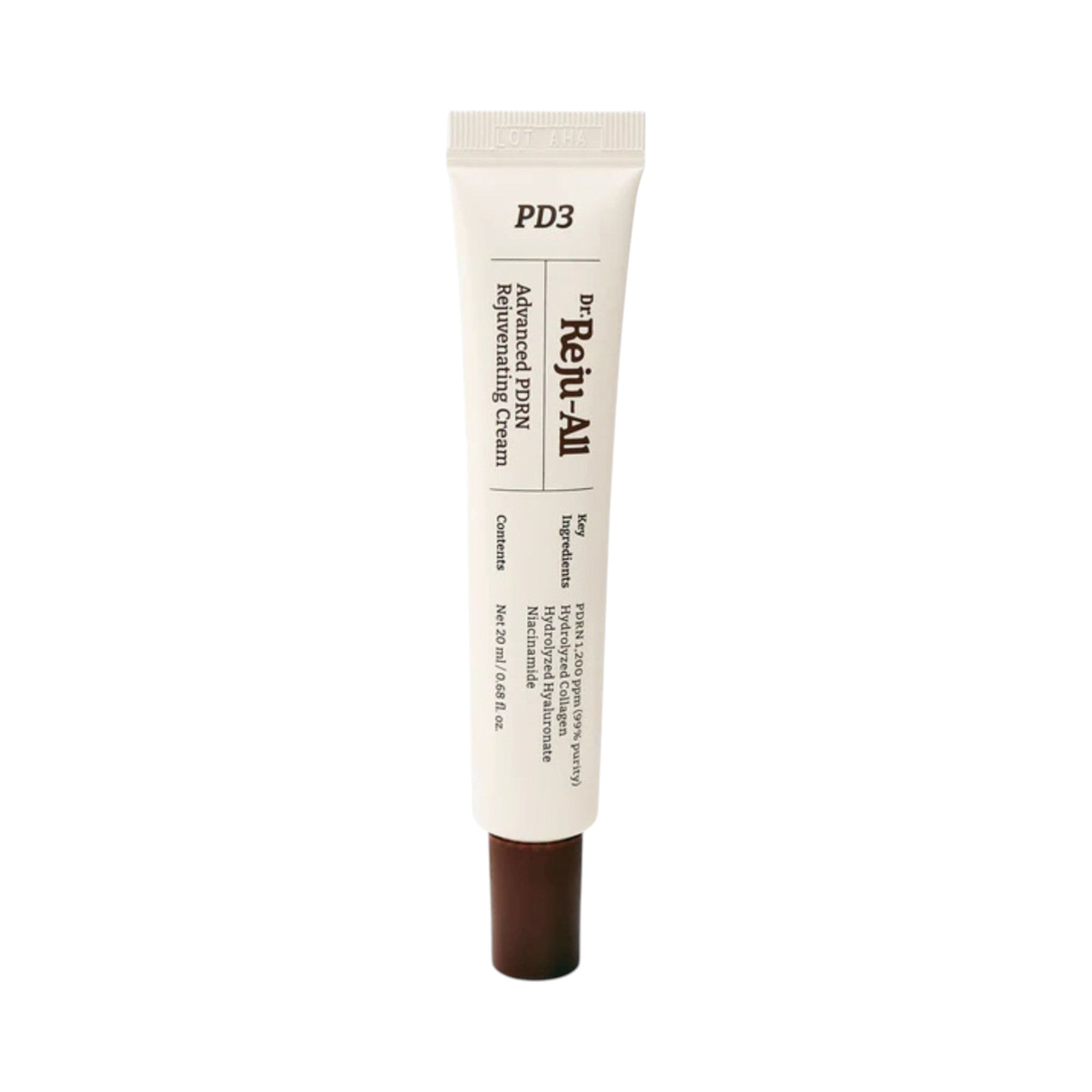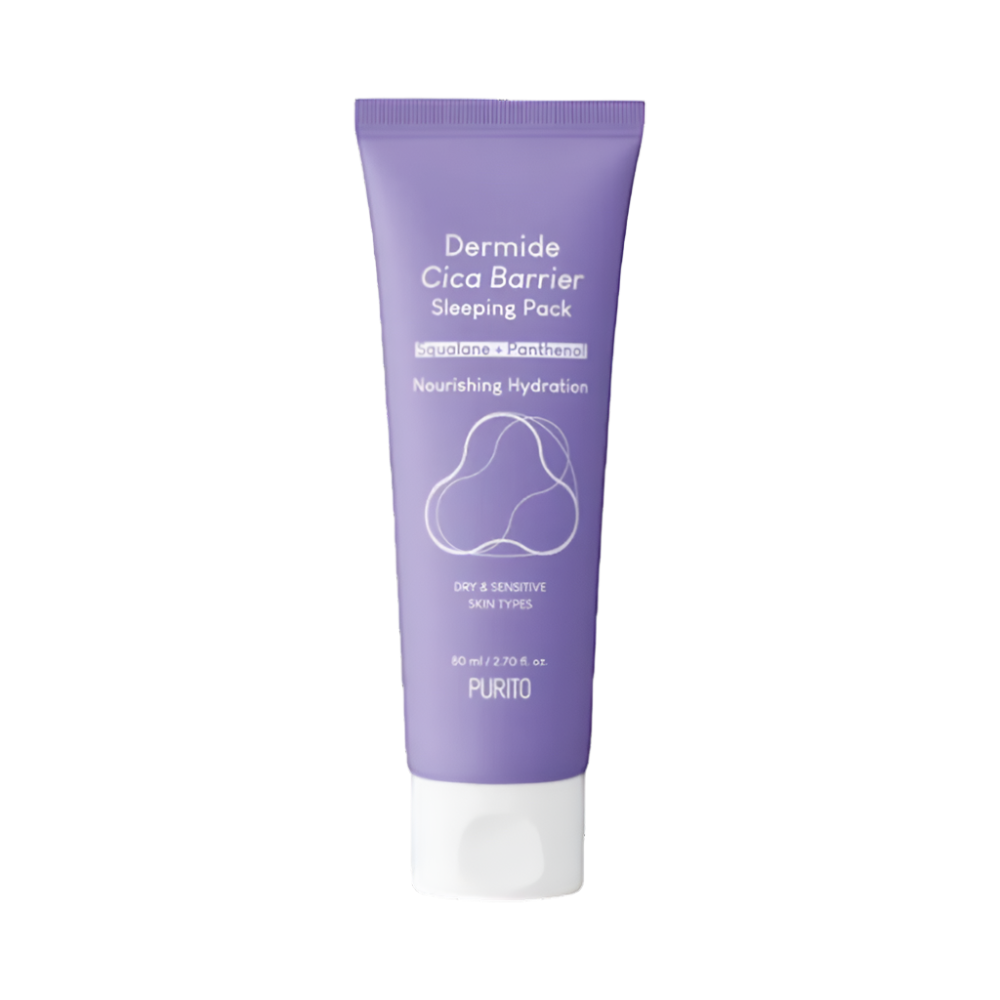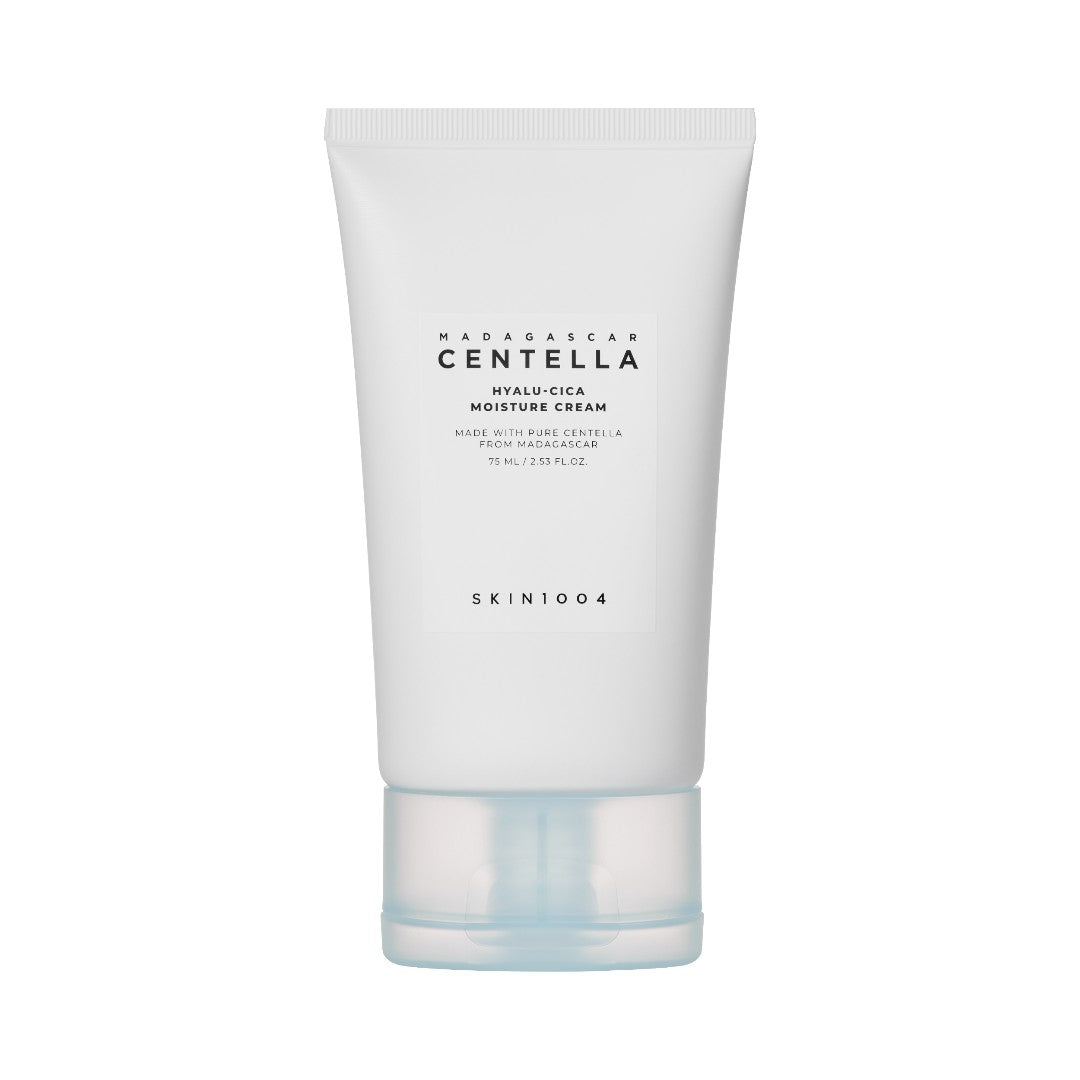
A moisturizer is one of the most important steps in most skincare routines—but the formula you choose matters. Dry, oily, combination, sensitive, or dehydrated skin can have different needs. Here’s what to look for, which ingredients to seek out, and how to find the right facial moisturizer for your skin.
Why is moisturizer important?
Proper hydration is not just about making your skin feel softer and more comfortable. The skin’s water content and the condition of the skin barrier are closely connected.
The skin’s outer protective layer helps prevent excessive water loss while protecting against environmental factors. When this protective layer is weakened, the skin can dry out more easily, feel tight, become more sensitive, and cause an uncomfortable sensation of tightness.
It is also important to know that oily skin needs hydration too. Oiliness and dehydration are not the same thing: skin can be both oily and dehydrated at the same time.
Therefore, the goal is not to “use as little cream as possible,” but to find a moisturizer suited to your skin type and current condition.
What exactly does a moisturizer do?
Moisturizers can help maintain the skin’s hydration in several ways. The ingredients in their formulas can serve different purposes, so it is worth looking beyond whether a product is simply labeled “moisturizing.”
Humectants – water-binding ingredients
Humectants are ingredients that help bind water in the skin.
Common examples:
- hyaluronic acid
- glycerin
- panthenol
- beta-glucan
Hyaluronic acid, for example, is a popular hydrating ingredient found in many Korean serums, essences, and moisturizers.
Emollients – for softer skin
Emollient ingredients can help make the skin’s surface smoother and softer while providing a more pleasant skin feel.
Occlusive ingredients – to reduce water loss
Occlusive ingredients can form a layer on the skin’s surface that helps reduce water loss.
This can be especially useful for very dry or dehydrated skin, or when the skin barrier needs support.
How do you choose a moisturizer for your skin type?
There is no single “best moisturizer” that works the same way for everyone. When making the right choice, it is worth considering your skin type, your skin’s current condition, the season, and which other products you use in your routine.
Moisturizer for dry skin
Dry skin often feels tight, may feel rougher to the touch, and can feel less comfortable, especially after cleansing.
When choosing a moisturizer for dry skin, it is worth looking for a formula that not only binds water but also supports the skin’s comfort and barrier.
Useful ingredients may include:
- ceramides
- hyaluronic acid
- glycerin
- panthenol
- squalane
- shea butter
For dry skin, creamier, more nourishing textures may generally feel more comfortable.
Moisturizer for oily skin
A common mistake with oily skin is skipping moisturizer altogether. However, sebum production and skin hydration are two different things.
A moisturizer for oily skin can have a lightweight, fast-absorbing, pleasantly refreshing texture.
In this case, a good choice could be, for example, a:
- gel cream
- water-based cream
- lightweight moisturizing emulsion
If you have oily or combination skin, it is worth avoiding formulas that feel too heavy on your skin.
Moisturizer for combination skin
Combination skin often has an oilier T-zone alongside drier or more normal areas of the face.
In this case, balance may be especially important: look for a moisturizer that provides adequate comfort without feeling too heavy.
Lightweight gel creams or moderately rich moisturizers can be a good starting point.
Moisturizer for sensitive skin
For sensitive skin, not only moisturization but also soothing and supporting the skin barrier may be important considerations.
In this case, it is worth looking for ingredients such as:
- panthenol
- Centella asiatica
- ceramides
- beta-glucan
Centella asiatica is a particularly popular ingredient in Korean skincare and can be found in many soothing formulas designed for sensitive skin.
For sensitive skin, however, it is not only the ingredient list that matters: it is also important how comfortable the overall formula feels on your skin.
Moisturizer for acne-prone skin
Moisturizing acne-prone skin should not be neglected either.
Over-drying can cause an uncomfortable tight feeling and is not ideal for the skin’s comfort either. The goal is instead to find a lightweight moisturizer that suits the skin well.
When choosing a moisturizer for acne-prone skin, many people look for a lightweight, non-comedogenic formula.
It’s also worth considering your overall routine: if you use exfoliating acids or a retinoid, for example, supporting your skin’s hydration and comfort may be especially important.
What active ingredients should you look for in a moisturizer?
If you’re choosing a moisturizer, it’s worth learning the names of a few key ingredients.
Hyaluronic acid
Hyaluronic acid is one of the best-known hydrating ingredients. It can help the skin retain water, which is why it is a common ingredient in hydrating serums and creams.
Ceramides
Ceramides are important components of the skin’s natural protective barrier. For this reason, ceramide moisturizers may be particularly beneficial for dry, dehydrated skin or skin that needs barrier support.
Panthenol
Panthenol, or provitamin B5, is a common ingredient in hydrating and soothing formulas. It can help support skin comfort, so you’ll often find it in products for more sensitive or irritation-prone skin.
Glycerin
Glycerin is a classic humectant that helps hydrate the skin and can be found in many different skincare formulas.
Centella asiatica
Centella asiatica is an iconic ingredient in Korean skincare. You’ll primarily find it in formulas that support soothing and skin comfort.
Beta-glucan
Beta-glucan is a popular ingredient in hydrating and soothing formulas, so it may be particularly interesting for drier or more sensitive skin.
Moisturizer or serum—which is the difference?
A common question is whether you still need a moisturizer if you use a hydrating serum.
However, the two products do not necessarily serve the same purpose.
A serum often contains more concentrated, targeted ingredients and may focus on a specific skin concern or need. A moisturizer, on the other hand, can be one of the final steps in your routine and may contain hydrating, emollient, and barrier-supporting ingredients.
That’s why the two can complement each other well.
A simple routine might look like this:
cleansing → toner/essence → serum → moisturizer → sunscreen
When and how should you use moisturizer?
Morning routine
1. Facial cleanser
2. Toner or essence
3. Serum / ampoule
4. Moisturizer
5. Sunscreen
Sunscreen should be the last skincare step during the day.
If you use a very lightweight, moisturizing sunscreen, you may not need a separate moisturizer. This primarily depends on your skin’s condition and the products you use.
Evening routine
1. Makeup remover / oil cleanser
2. Water-based facial cleanser
3. Toner / essence
4. Serum / ampoule
5. Moisturizer
[BELSŐ LINK: Koreai skincare rutin lépésről lépésre]
Is a moisturizer also needed for oily skin?
Yes.
Oily skin does not mean that the skin is hydrated. Skin can be both oily and dehydrated.
If you skip moisturizing altogether, your skin may easily become less comfortable. Instead, choose a lightweight formula suited to your skin type.
Gel creams and lighter moisturizers can be especially pleasant for oily or combination skin.
How do you know if your moisturizer isn't right for you?
A product doesn't necessarily have to be “bad” to be unsuitable for your skin.
It's worth reconsidering your choice if you regularly:
- the cream feels too heavy,
- your skin becomes shiny quickly after using it,
- your skin feels uncomfortably tight after using it,
- the product feels uncomfortable alongside the other steps in your routine,
- it regularly pills when you apply makeup,
- or your skin's condition worsens while using it.
However, it's important not to draw far-reaching conclusions from a single symptom. Your skin's condition can be affected by the weather, the season, the other products you use, and your skincare routine itself.
How do you choose the right moisturizer for you?
The best moisturizer is not necessarily the most expensive product or the one containing the most active ingredients.
The right choice is one that:
- is compatible with your skin type,
- suits your skin's current condition,
- has a pleasant texture for you,
- works well with the other products in your routine,
- and you can use it regularly and comfortably.
So rather than searching for a single “miracle cream,” it is worth observing what your skin needs at that moment.
For example, a lightweight gel cream may feel more comfortable in summer, while in colder weather the same skin may require a richer formula.
The place of moisturizer in a Korean skincare routine
One important principle of Korean skincare is not necessarily expecting a single product to do everything.
The different steps of a routine can serve different purposes:
Facial cleanser: cleansing
↓
Toner / essence: hydration and preparation
↓
Serum / ampoule: targeted active ingredients
↓
Moisturizer: hydration, comfort, and skin support
↓
Sunscreen: daytime UV protection
And of course, you don't need to incorporate every step into your routine. A good skincare routine isn't good because it consists of ten steps, but because it meets your skin's needs.
Which moisturizer is right for you?
If you're looking for a new hydrating face cream, start by considering your skin's current condition.
- Dry skin: choose a more nourishing, hydrating, barrier-supporting formula.
- Oily skin: look for lightweight, fast-absorbing gel creams and water cream textures.
- Combination skin: Choose a balanced moisturizer that is not too heavy.
- Sensitive skin: Look for soothing, comfortable formulas and ingredients that support the skin barrier.
- Dehydrated skin: Products rich in humectants, such as hyaluronic acid, glycerin, or panthenol, may be worth considering.
- Mature skin: In addition to hydration, look for formulas that also contain antioxidants, peptides, or other ingredients focused on the signs of skin aging.
[BELSŐ LINK: Koreai hidratáló krémek – válogass bőrtípus szerint]
Frequently asked questions
Does every skin type need moisturizer?
Proper hydration is important for most skin types. The main difference lies in which texture and formulation suit the skin.
What moisturizer is good for oily skin?
For oily skin, lighter, gel-based, or water-based textures may generally feel more comfortable. Choose a formula that hydrates without feeling too heavy.
What moisturizer is good for dry skin?
For dry skin, look for a richer formula containing both hydrating and emollient ingredients. Ceramides, glycerin, hyaluronic acid, panthenol, and squalane are common examples.
Can moisturizer be used on acne-prone skin?
Yes. Moisturizing acne-prone skin is also important. In this case, it is worth looking for a lighter formula that feels comfortable on your skin.
Should I use moisturizer in the morning and evening?
In many routines, moisturizer can be used both morning and evening, but you do not necessarily need to use the same formula at both times of day. In your morning routine, always remember sun protection.
Should you apply moisturizer or serum first?
The serum generally comes before the moisturizer. So, in a simple routine, the moisturizer can follow the serum.
Do you need moisturizer under sunscreen?
Not necessarily. If your sunscreen provides sufficient hydration on its own, you may not need a separate cream. However, if you have drier skin, a moisturizing layer before sunscreen can be helpful.
The right moisturizer is not a luxury, but a foundation of your routine
A moisturizer is not just an extra step on your bathroom shelf. Proper hydration can be one of the foundations of a balanced skincare routine—whether your skin is dry, oily, combination, sensitive, or prone to breakouts.
The key is not to find “the best moisturizer in the world,” but to find the one that suits your own skin best.
Discover our Korean moisturizers and choose the formula that suits your skin’s current needs.
[CTA / BELSŐ LINK: Fedezd fel a koreai hidratáló krémeket a K-Beauty For You kínálatában →]