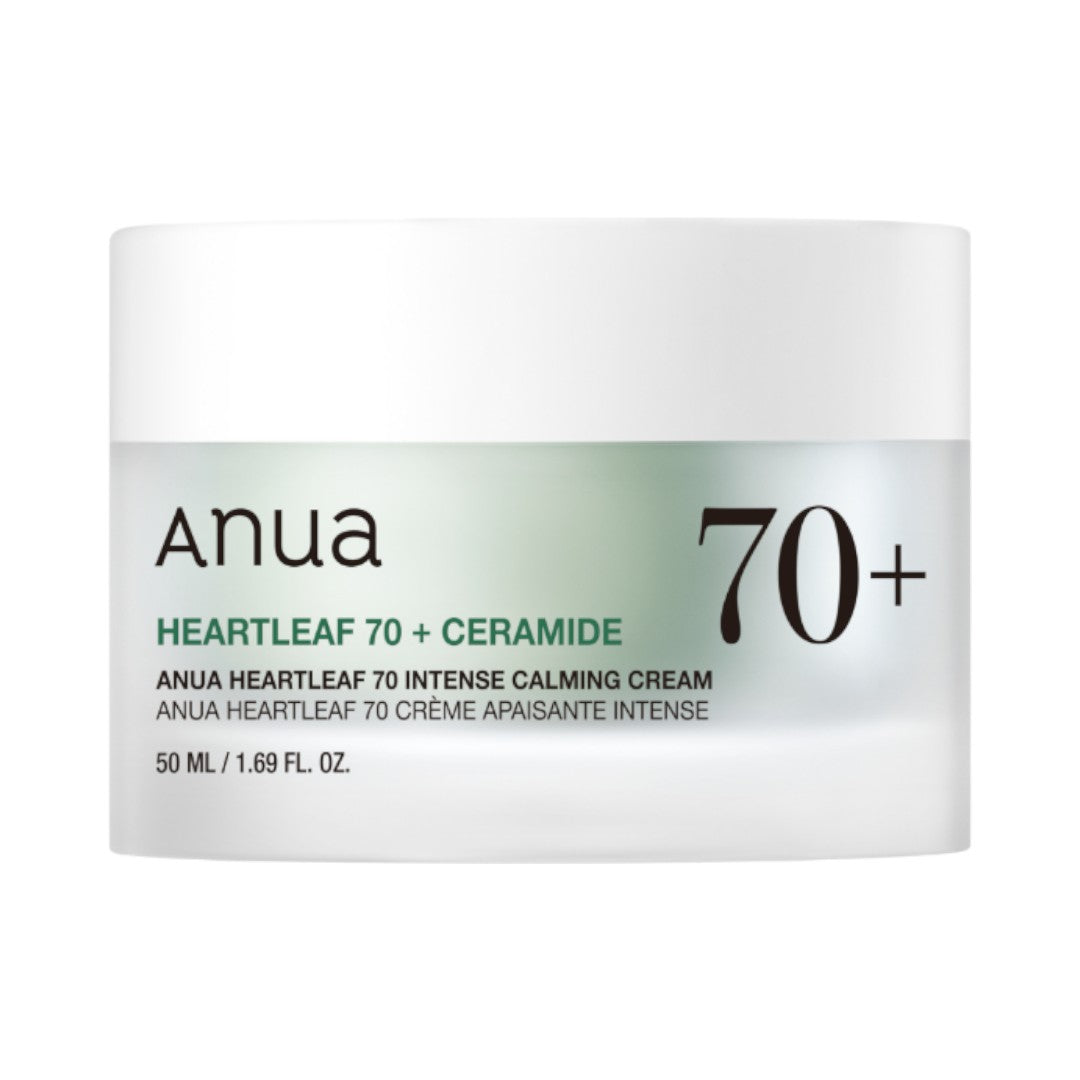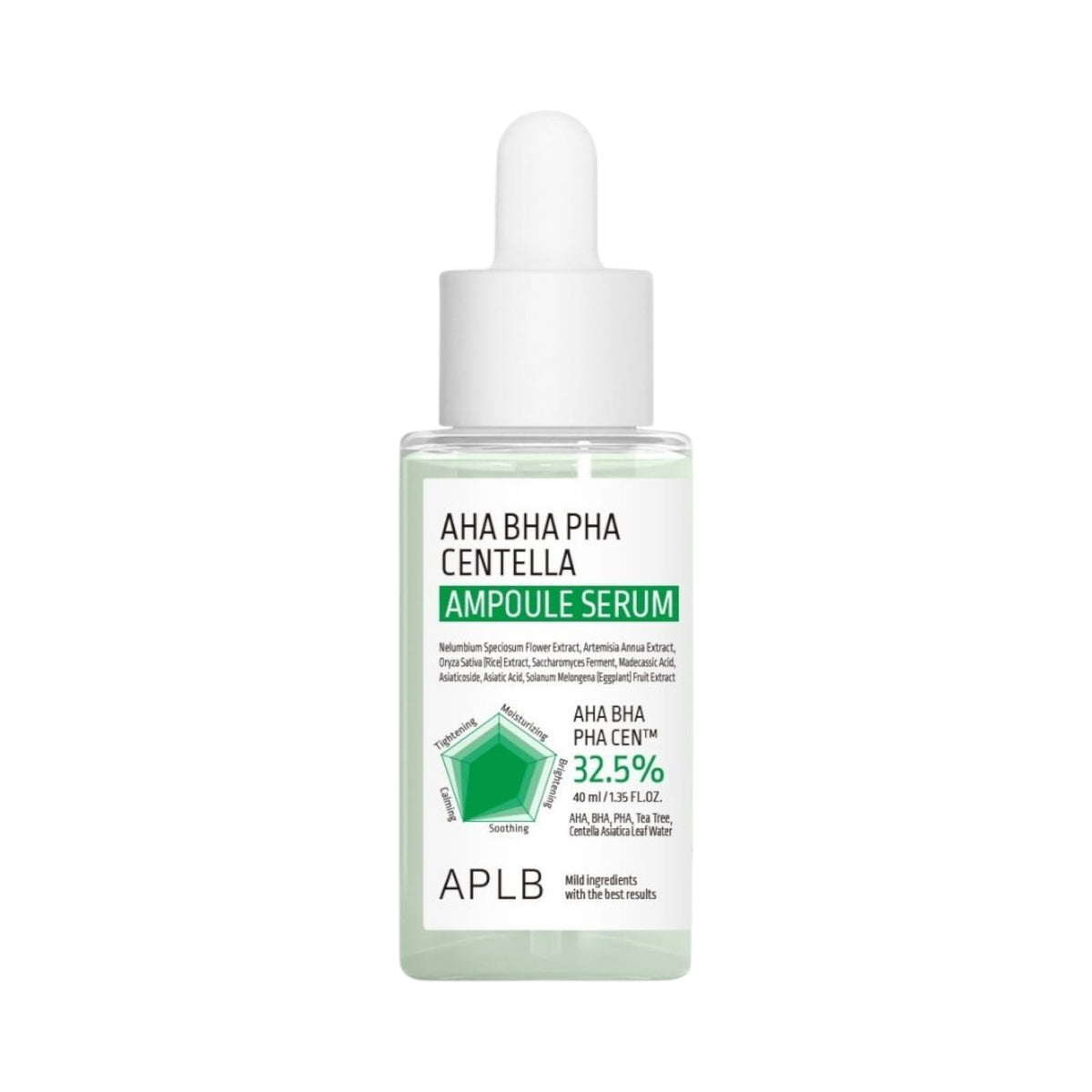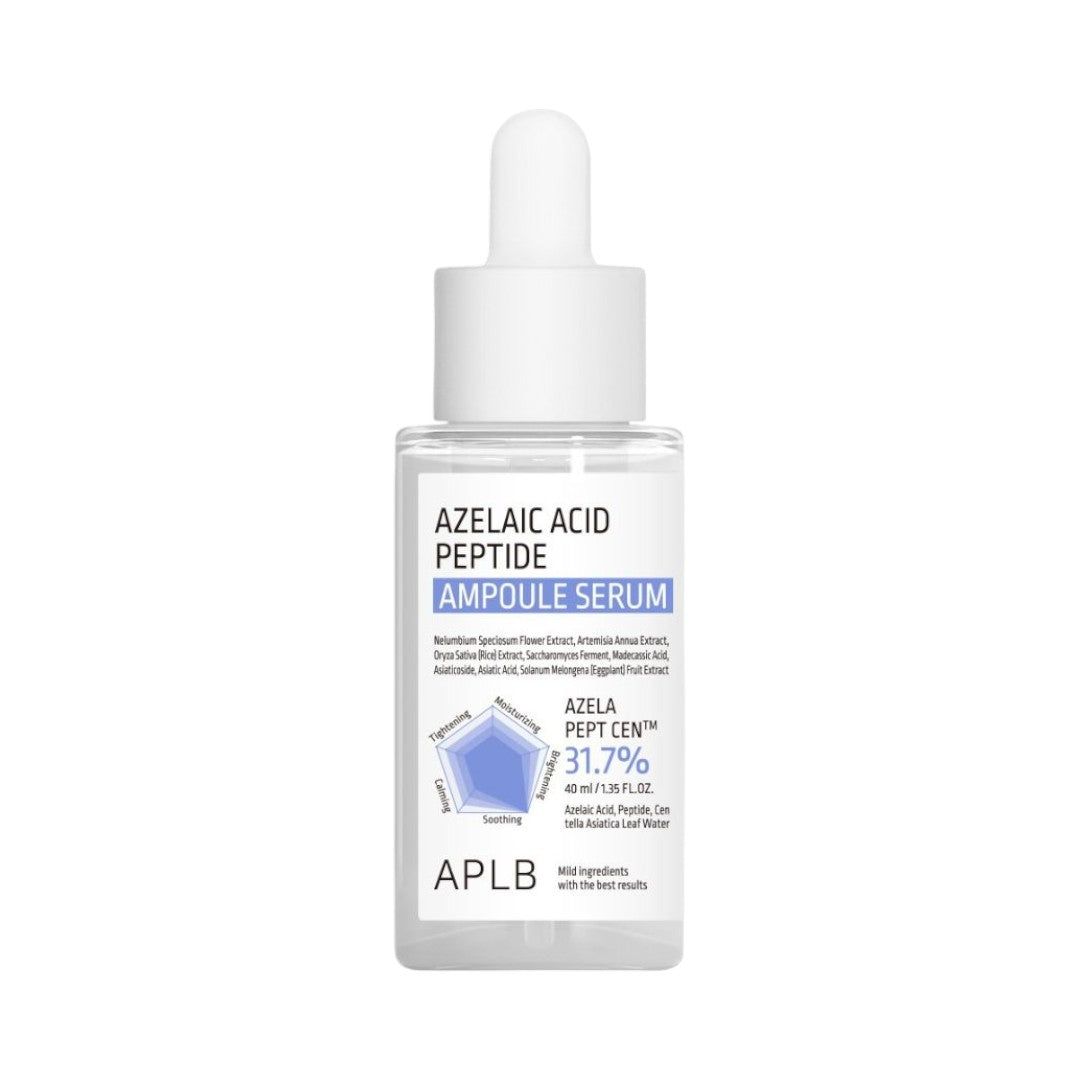

Does your face become shiny after a few hours, yet still feel tight or uncomfortably dry? You may not simply have oily skin; your skin may be both oily and dehydrated. This may seem contradictory at first, but it’s actually very common.
Proper care for oily but dehydrated skin is especially important because the goal isn’t to reduce sebum production at all costs, but to restore the skin’s hydration balance. This calls for lightweight, hydrating textures, the right active ingredients, and a gentle skincare routine.
We’ll show you how to recognize dehydrated, oily skin, which ingredients to look for in Korean skincare products, and how to build a routine that hydrates without weighing your skin down.
✨ What is oily but dehydrated skin?
Oily but dehydrated skin is a skin condition in which the skin produces excess sebum but does not have enough water. In other words, it can be shiny and oily to the touch while also feeling uncomfortably tight.
It’s important to understand that oily and dehydrated skin are not mutually exclusive.
Oily skin mainly indicates increased sebum production, while dehydration is related to the skin’s reduced water content. Both can be present at the same time.
In these cases, it’s common to notice that:
- The forehead, nose, and chin quickly become shiny.
- After cleansing, your face feels tight and taut.
- The skin’s surface may look more uneven and rough.
- Small dry patches appear while other areas are particularly oily.
- Makeup may become patchy or sit unevenly on the skin.
- Pores and blackheads may become more noticeable.
The most important thing to remember is that your skin still needs hydration even if it’s oily.
What’s more, because they don’t moisturize properly, many people choose facial care products that can further compromise their skin’s comfort.
Is your skin oily or dehydrated? What’s the difference?
The two conditions are easy to confuse, even though they require different care.
Dry skin is fundamentally a skin type characterized by reduced sebum production. Dehydration, by contrast, can be a temporary or long-lasting skin condition that can affect any skin type.
Let’s look at the key differences!
Oily skin:
- It is characterized by increased sebum production.
- It often looks shiny, especially in the T-zone.
- It may be more prone to blackheads and pimples.
- Pores may be more noticeable.
Dehydrated skin:
- It does not have enough moisture.
- A tight, taut feeling may occur.
- It may look duller and less elastic.
- Fine, small surface lines may appear.
- The skin may react more sensitively to certain skincare products.
- Oily but dehydrated skin:
In this case, both conditions are present at the same time. For example, your face may become shiny by late morning, but still feel tight after cleansing and not feel comfortable. If you experience this, it's worth reconsidering your current skincare routine.
Why does oily skin become dehydrated?
Dehydration can have several causes. Often, it's not just one factor, but a combination of habits and environmental influences that reinforce each other.
1. Over-cleansing
People with oily skin often feel that the more thoroughly they cleanse their face, the less shiny their skin will be. So they may wash their face several times a day, use strongly foaming cleansers, or choose products that leave their skin feeling completely matte and dry. However, overly harsh cleansing can disrupt the skin's natural protective barrier and increase water loss. It's best to choose a gentle facial cleanser that removes dirt and excess sebum without leaving your skin feeling uncomfortably tight.
2. Skipping moisturizer
Many people think oily skin doesn't need moisturizer because it will only make the face look shinier. But that's a misconception. Oily skin also needs proper hydration. The solution isn't to skip moisturizer, but to choose a texture that suits your skin type. For example, a lightweight gel cream or lotion may feel more comfortable on oily, dehydrated skin than a very rich, heavy face cream.
3. Over-exfoliation and using potent active ingredients
Salicylic acid, AHA acids, and retinoids can be useful ingredients for certain skin concerns. However, using them too often or incorrectly can lead to irritation and weaken the skin's protective barrier. If you use several potent active ingredients at once, your skin may struggle to adapt to your routine. In that case, it's worth going back to basics: gentle cleansing, moisturizing, and sun protection.
4. Environmental factors
Cold weather, wind, dry indoor air, air conditioning, and excessive sun exposure can all contribute to disrupting the skin's moisture balance. That's why your skin's needs can also change with the seasons.
Which active ingredients should you look for if you have oily but dehydrated skin?
Choosing the right ingredients is essential. Look for skincare products that help hydrate your skin, support its protective barrier, and don't overwhelm your face.
💧 Hyaluronic acid - one of the key ingredients for hydration
Hyaluronic acid is an excellent moisture-binding ingredient that helps boost skin hydration. Korean cosmetics often use several different molecular sizes of hyaluronic acid to support skin hydration in different ways.
Why might it be a good choice?
- Helps preserve the skin’s moisture.
- Can leave skin feeling more hydrated and plump.
- Also found in lightweight serums and toners.
- Fits easily into an oily skin care routine.
You can apply hyaluronic acid products to slightly damp skin, then finish your routine with a moisturizer.
🌸 Niacinamide – a favorite active ingredient for oily skin
Niacinamide, or vitamin B3, is one of the most popular ingredients in Korean skincare. It may be especially appealing if you’re dealing with increased sebum production, uneven skin texture, and dehydration at the same time.
Niacinamide:
- Can help regulate sebum production.
- Supports the skin’s barrier function.
- Can help improve uneven skin tone.
- Can help maintain skin hydration.
It’s also worth paying attention to the concentration. The serum with the highest niacinamide content isn’t necessarily the best choice. If your skin is sensitive or dehydrated, a gentle formula with a lower concentration may be enough to start with.
🌊 Panthenol – to soothe the skin
Panthenol, also known as provitamin B5, can be especially helpful if your skin feels tight, sensitive, or uncomfortably dry. Thanks to its moisturizing and soothing properties, it is often used in formulas designed to support the skin’s protective barrier. Products with panthenol can fit well into a simple, hydrating skincare routine.
🛡 Ceramides – to support the skin’s protective barrier
Ceramides are important components of the skin’s natural protective barrier. They help maintain the skin’s barrier function and reduce moisture loss. If your skin is oily, dehydrated, and sensitive all at once, consider adding a moisturizer containing ceramides to your routine.
🌿 Centella asiatica – for when your skin needs soothing, too
One of the favorite plant-based ingredients in Korean cosmetics is Centella asiatica, also known as gotu kola. It is often used in formulas developed for sensitive skin prone to redness. If you experience redness or irritation as well as dehydration, serums and creams containing centella can be a great addition to your routine.
How to Care for Oily but Dehydrated Skin – Build Your Korean Skincare Routine This Way
The good news is that you don’t necessarily need ten different products to care for your skin properly. The most important things are consistency and choosing products that truly suit your skin’s current condition.
Step 1: Gentle cleansing
Cleansing is important both morning and evening, but the product you choose matters. Avoid cleansers that leave your skin feeling completely dry, tight, or uncomfortably clean. Look for a water-based facial cleanser that cleans effectively without overdrying your skin. In the evening, if you wear makeup or long-wear sunscreen, you may also need an oil cleanser for double cleansing.
Step 2: Hydrating toner
Toner can be a good addition to your routine, especially if your skin is dehydrated. Choose a hydrating toner that contains hyaluronic acid, panthenol, glycerin, or other humectants . The goal isn’t to apply lots of products in multiple layers, but to give your skin adequate hydration.
Step 3: Hydrating serum
A lightweight, watery serum can be a particularly good choice for oily but dehydrated skin. You can choose a formula with hyaluronic acid, panthenol, or niacinamide, depending on your skin’s other needs alongside hydration. You don’t need to use several serums at once. To start with, one well-chosen product may be enough.
Step 4: Lightweight moisturizer
This is a step many people tend to skip, even though a suitable moisturizer can be important for sealing in hydration. If you have oily, dehydrated skin, look for lightweight gel, lotion, or fast-absorbing cream textures. Hyaluronic acid, ceramides, panthenol, and niacinamide can all be beneficial ingredients.
You don’t need to be afraid of using a moisturizer just because you have oily skin. The right formula won’t necessarily feel heavy on your face.
Step 5: Sun protection every morning
The final step in your morning skincare routine is applying sunscreen. Proper sun protection is important not only to prevent sunburn, but also to help protect your skin from the long-term harmful effects of UV radiation. If you have oily skin, you can choose a lightweight sunscreen with a fluid or serum texture that feels comfortable for everyday wear. Important: use the recommended amount of sunscreen, and reapply as directed when spending time outdoors.
Which ingredients and products should you avoid?
You don’t need to automatically exclude every oily or active ingredient from your routine. The overall formula, concentration, and how your skin responds to it are much more important.
However, there are a few things to keep in mind:
- Harsh cleansers: overly oil-stripping cleansers can increase tightness.
- High concentrations of active ingredients: don’t start using several strong exfoliating or retinoid products at once.
- Exfoliating too often: daily acid exfoliation isn’t necessarily needed and can cause irritation.
- Formulas high in alcohol that dry the skin: some products can increase uncomfortable feelings of dryness.
- Skipping hydration altogether: oily skin also needs moisturizing ingredients.
Keep in mind that not all alcohol is harmful or drying, and not every oily ingredient is a problem for oily skin. It’s always best to consider the entire formula.
5 common mistakes to avoid with oily, dehydrated skin
1. You use only mattifying products.
Products that are excessively mattifying won’t necessarily solve the problem. Your skin needs hydration too.
2. You wash your face several times a day.
Cleansing too often can disrupt the skin’s natural barrier. Stick to gentle, regular face washing.
3. You skip moisturizer.
Oily skin is no exception: every skin type needs hydration.
4. You introduce too many new active ingredients at once.
If you start using several new serums and exfoliants, it will be harder to tell which product may be causing irritation.
5. You expect immediate results.
Improved skin hydration and comfort may be noticeable fairly quickly, but lasting change requires a consistent routine.
How long does it take for dehydrated, oily skin to improve?
This is one of the most common questions, and the answer depends on how pronounced the dehydration is and what caused it. If you’ve simply been using unsuitable moisturizers, your skin may feel more comfortable within just a few days. However, if your skin barrier is also damaged, it may take longer to recover. It’s worth sticking to your new, gentle routine for at least a few weeks while monitoring how your skin responds. If you experience persistent irritation, inflammation, or significant skin concerns, consider seeing a dermatologist.
❓ Frequently asked questions about oily but dehydrated skin
Can my skin be oily and dehydrated at the same time?
Yes! Oily skin means increased sebum production, while dehydration refers to a lower water content in the skin. The two conditions can occur at the same time.
Does dehydrated skin produce more sebum?
Dehydration and sebum production are not the same process. It can’t be said generally that dehydration automatically increases sebum production. The amount of sebum is what primarily determines how shiny the skin is.
What moisturizer is good for oily, dehydrated skin?
Look primarily for lightweight, fast-absorbing gel- or lotion-textured moisturizers. A formula containing hyaluronic acid, panthenol, or ceramides could be a good choice.
Can I use hyaluronic acid if my skin is oily?
Yes. Hyaluronic acid is a humectant, so it’s particularly well suited to an oily, dehydrated skin care routine.
Do I need moisturizer if my face gets shiny during the day?
Yes. Shine during the day doesn’t mean you don’t need hydration. Instead, choose a product with a lighter texture that won’t feel heavy on your skin.
How often should I exfoliate oily, dehydrated skin?
There’s no one-size-fits-all frequency. If your skin feels tight, sensitive, or irritated, it’s best to pause exfoliation at first and focus on hydration and supporting the skin barrier. Later, if your skin tolerates it well, you can gradually reintroduce the exfoliating product.
🌟 Summary: Oily, dehydrated skin needs hydration too!
If your skin is oily but also feels tight and taut, don’t try to eliminate your skin’s natural sebum production at all costs.
Often, the solution isn’t to cleanse more aggressively or layer on mattifying products, but to hydrate properly and support the skin barrier.
Choose a gentle cleanser, a hydrating toner, a lightweight serum, a moisturizer suited to your skin’s needs, and don’t forget daily sun protection.
One of the great advantages of Korean skincare is its wide range of lightweight, hydrating formulas, so you can find the right products even if your skin is prone to both oiliness and dehydration.
Discover K-Beauty For You’s Korean skincare selection, and put together a routine that truly meets your skin’s current needs!