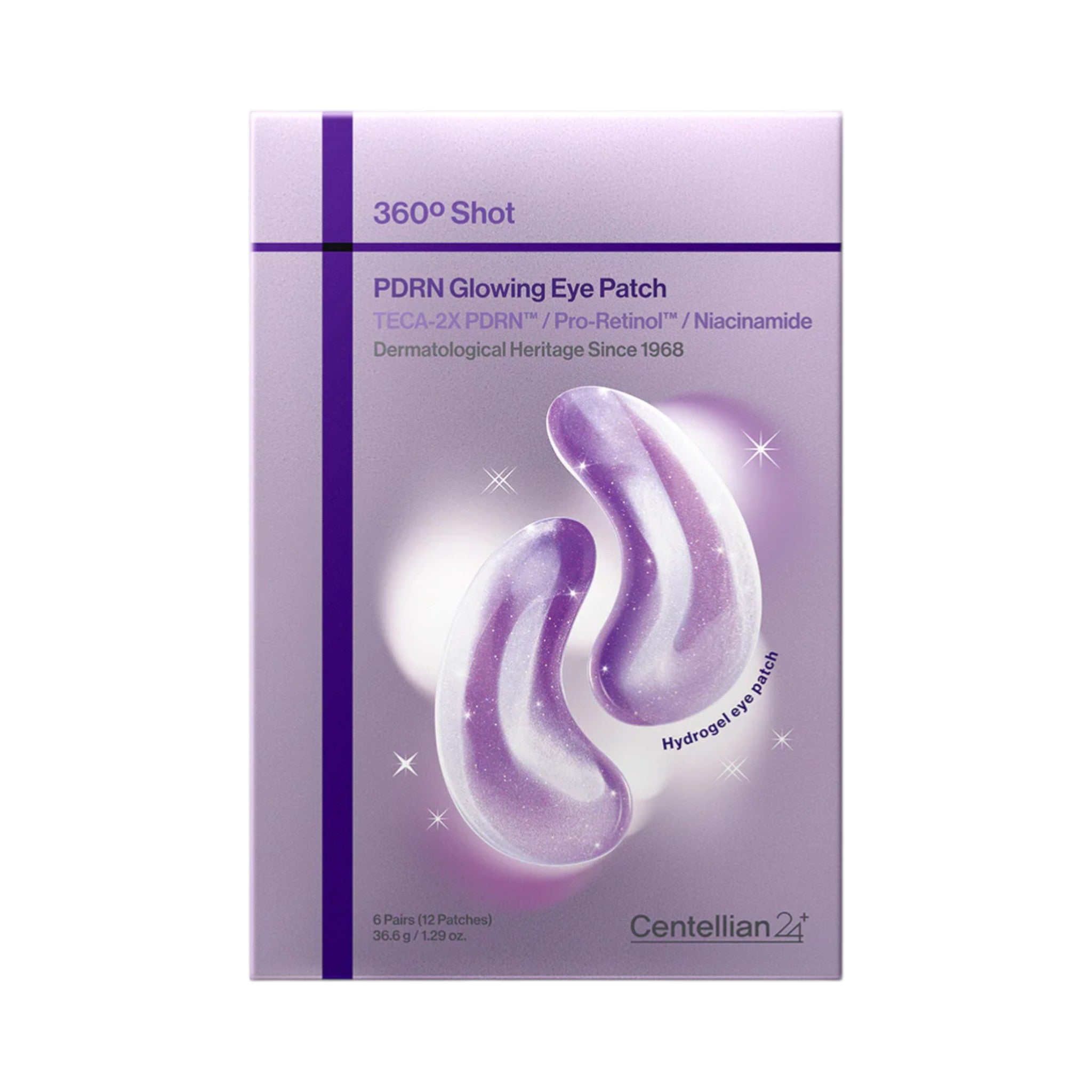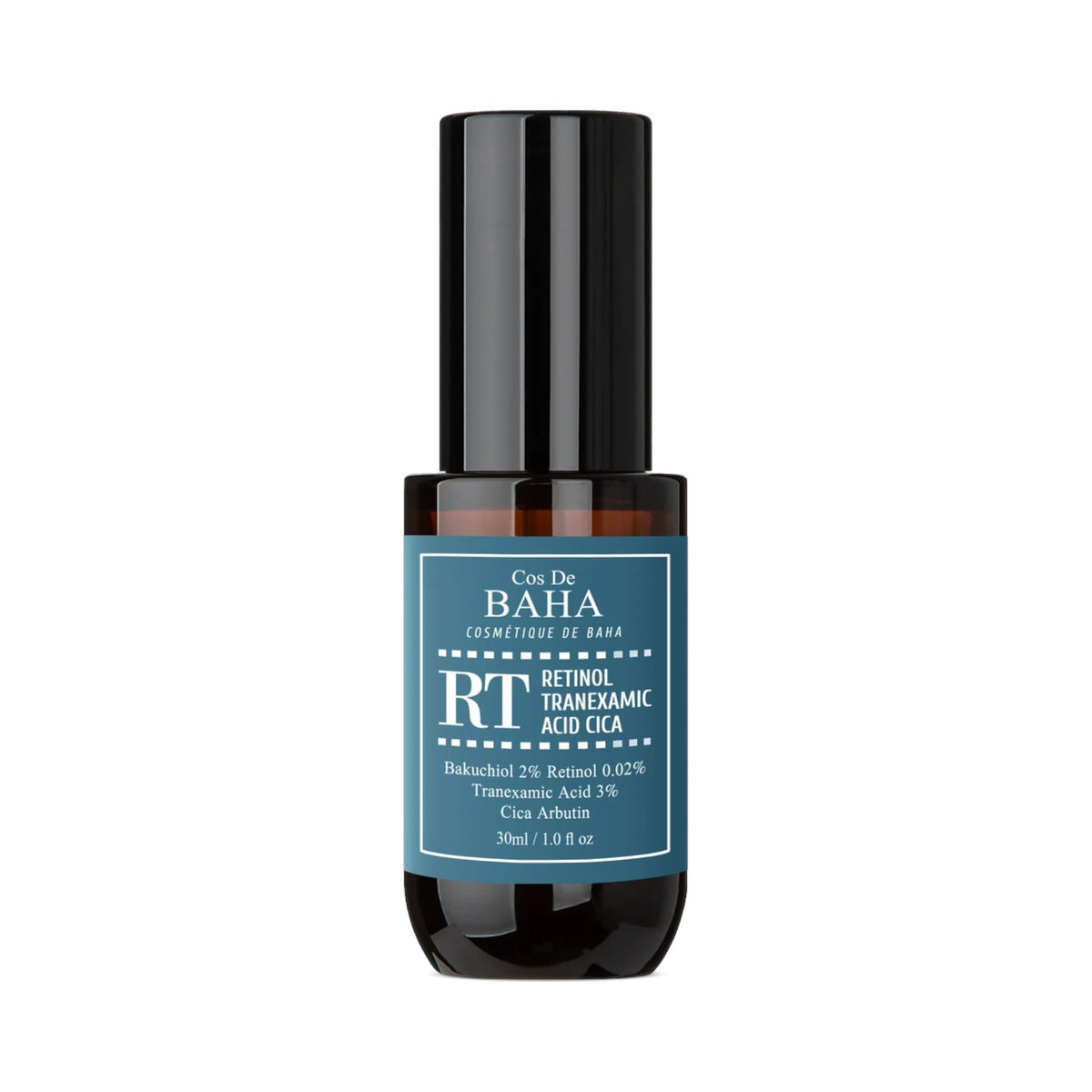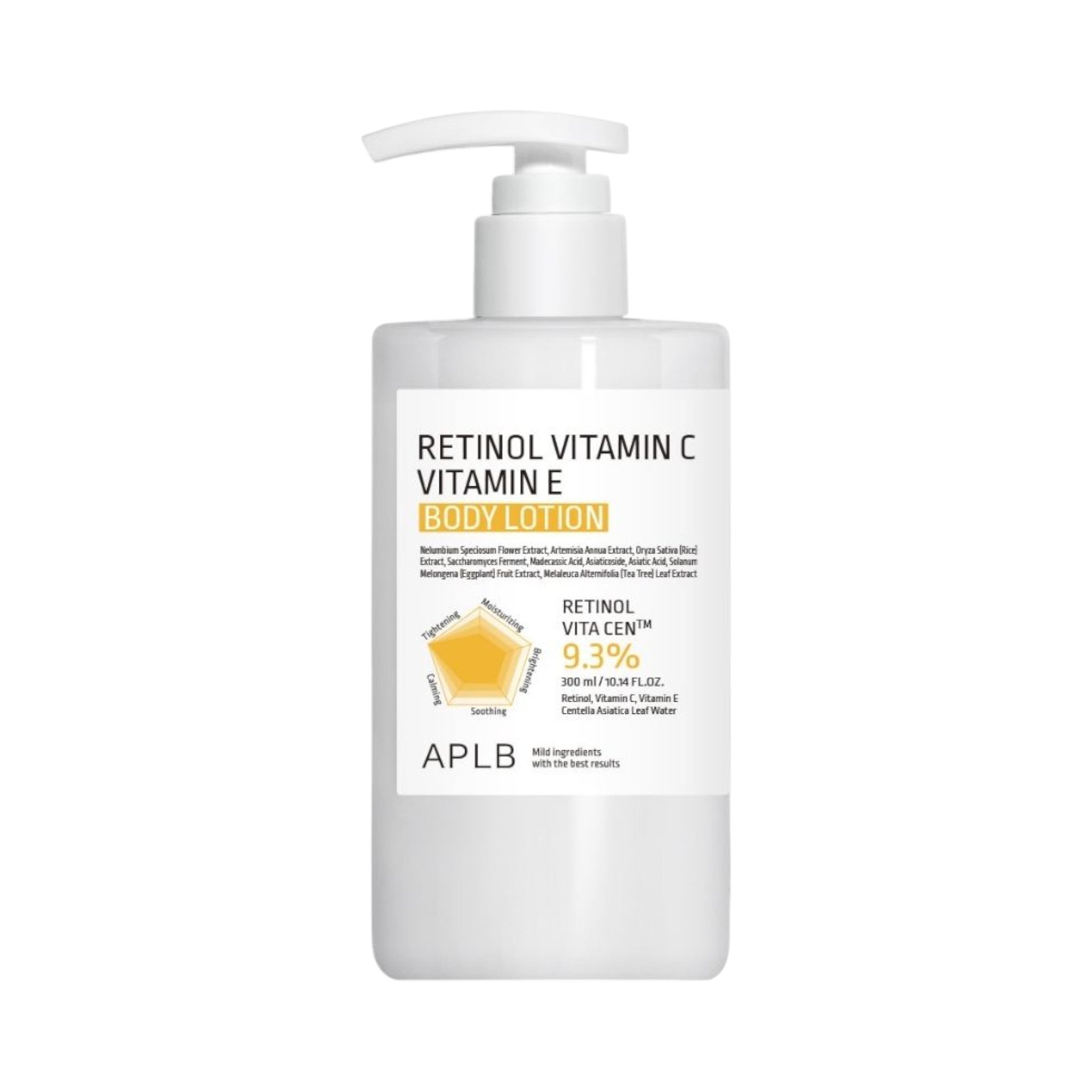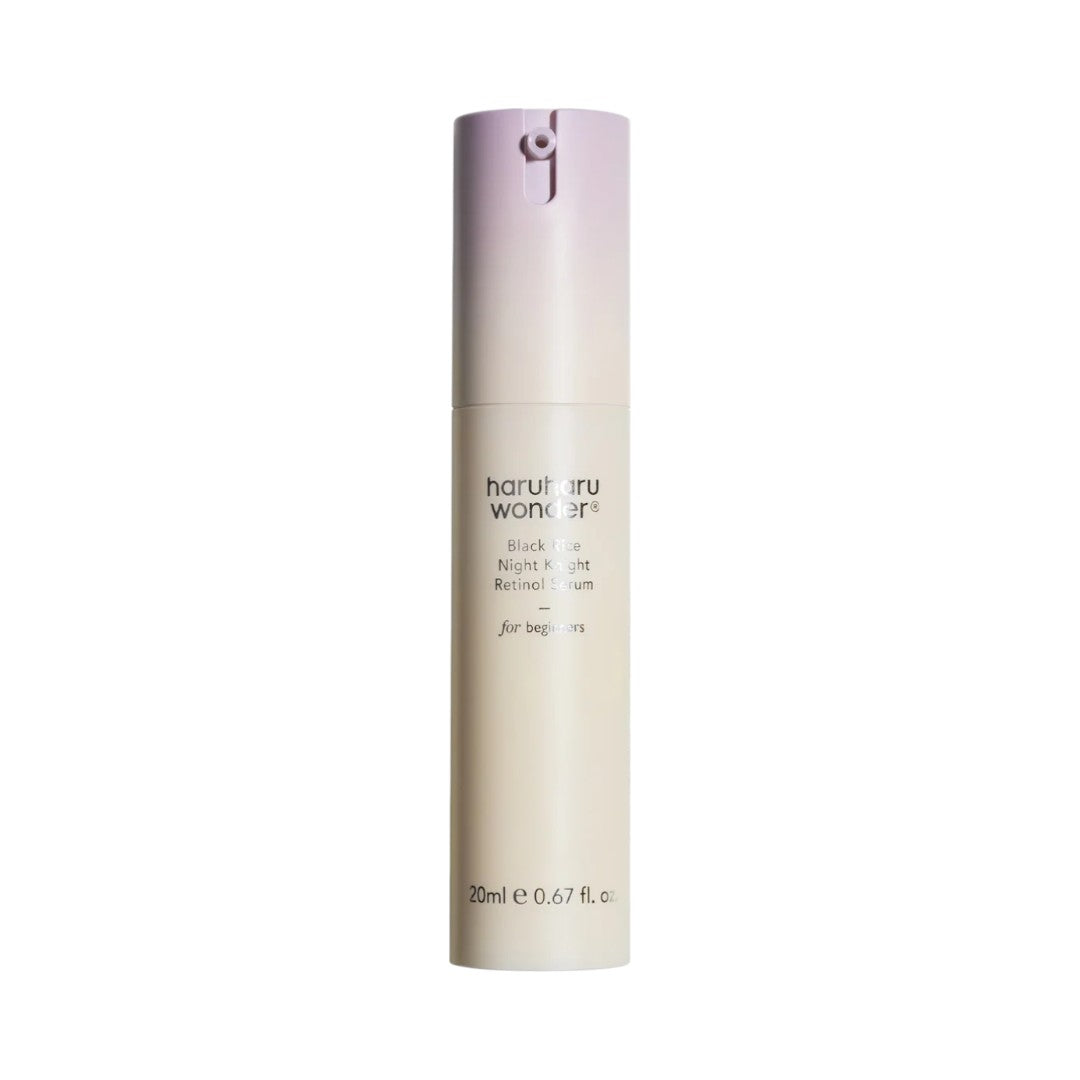
Retinol is the true rock star of the skincare world—the active ingredient everyone is talking about. Many people see it as the secret to smoother, clearer, more youthful-looking skin. At the same time, it remains somewhat mysterious: many are wary of it because they have heard horror stories about peeling and irritation.
But I have good news! Retinol is not something to fear—it can be an incredibly effective ally in your skincare routine if you introduce it wisely and patiently. I’m here to hold your hand and show you step by step how to become friends with it without putting your skin through unnecessary stress. Are you ready? Let’s get started!
💠 Why is it worth getting started? Retinol’s superpowers
Before we get to the “how,” let’s quickly look at why it’s worth giving retinol a chance in the first place. This vitamin A derivative is a true communication genius: it encourages skin cells to function as younger, healthier versions of themselves.
- Stimulates collagen production: Reduces fine lines and wrinkles.
- Speeds up cell turnover: Helps fade breakouts and the marks they leave behind.
- Unclogs pores: Helps prevent new breakouts from forming.
- Refines skin texture: Creates a more even, smoother, and brighter-looking complexion.
See? It’s worth the effort!
✨ The ultimate retinol plan: A step-by-step guide
The key words are: slowly, patiently, and wisely! Don’t expect everything to happen immediately—your skin needs time to adjust.
Step 0: Establish the basics (DON’T SKIP THIS!)
Before you even buy your first retinol product, make sure the foundations of your routine are solid. These three things are essential:
- Gentle cleanser: One that doesn’t dry out or irritate your skin.
- Good moisturizer: One that nourishes and protects your skin barrier.
- DAILY SUNSCREEN (SPF 30+): This is non-negotiable! Retinol can make your skin more sensitive to the sun, so without sunscreen, you may do more harm than good.
Step 1: Choose the right product
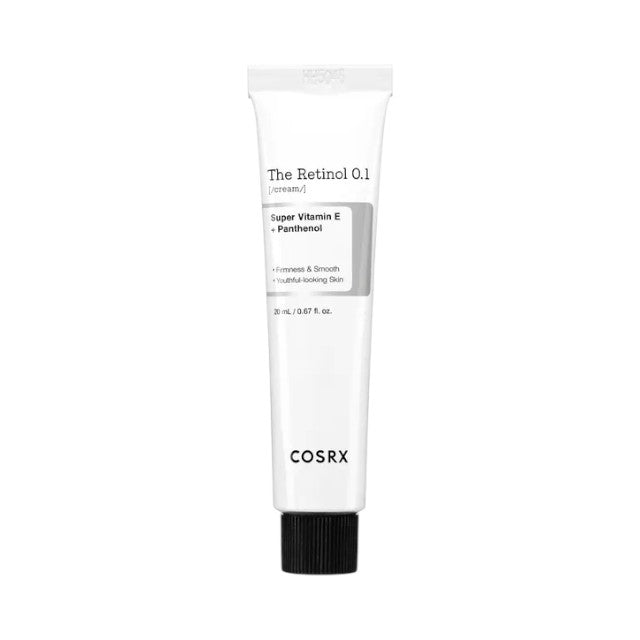
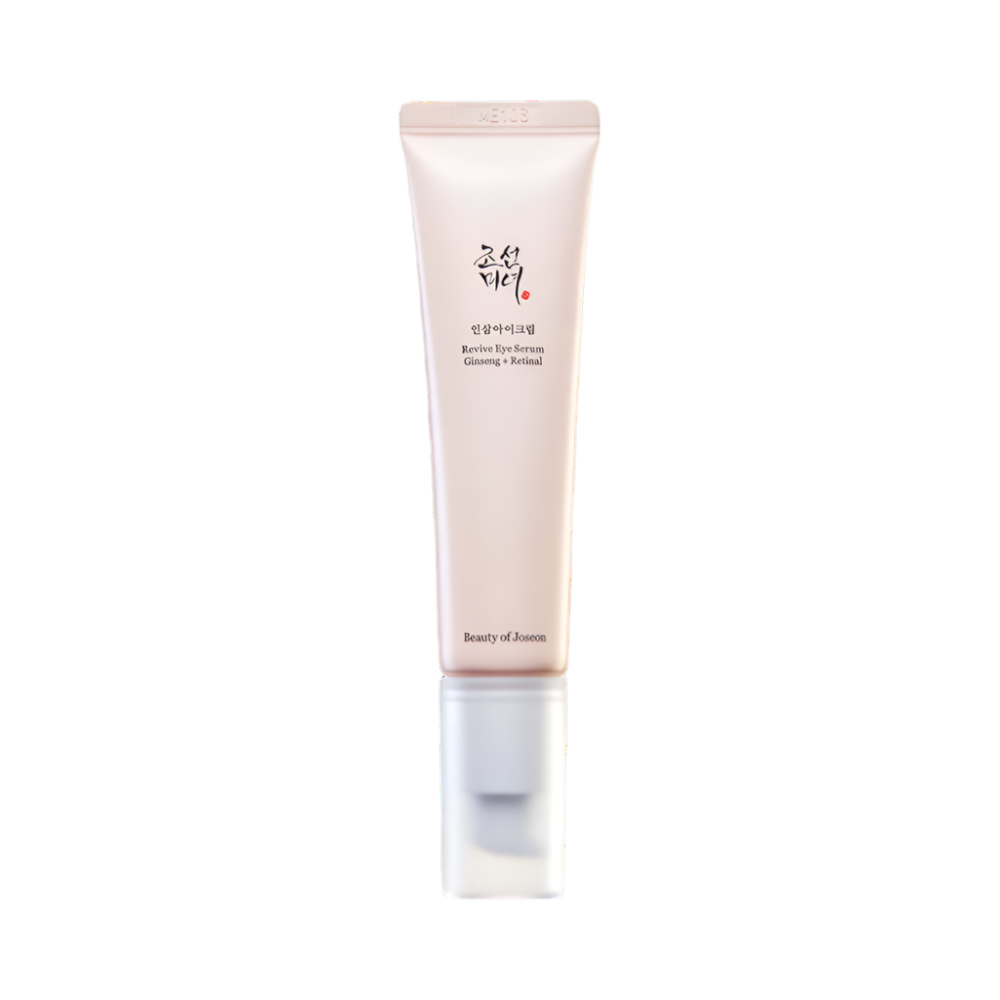
As a beginner, the goal is a low concentration! Look for a product containing between 0.1% and 0.3% retinol. It can be a serum or a cream—the important thing is not to start with the strongest option! The packaging usually clearly indicates when a formula is intended for beginners.
Step 2: The mandatory patch test
Before applying it all over your face, perform a patch test! Apply a small amount to a less noticeable area, such as behind your ear or along your jawline, and wait 24–48 hours. If you don’t experience severe irritation, redness, or itching, you’re good to go!
Step 3: The first application—less is more
The big moment has arrived!
- When? Use it exclusively as part of your evening routine!
- How? Apply it to completely dry skin after cleansing. On damp skin, retinol may penetrate more deeply and cause irritation.
- How much? A pea-sized amount is enough for your entire face. No more!
- How often? Start once or twice a week. Yes, you read that correctly. That’s more than enough during the first two weeks.
Step 4: The power of gradual introduction
If your skin responds well to once- or twice-weekly use after two weeks, you can increase the frequency to three times a week. Always pay attention to your skin’s signals! The goal is to gradually work your way up over several weeks or even months to using it every other evening—or, if your skin tolerates it, every evening.
Step 5: Moisturize and protect!
Once the retinol has absorbed (wait a few minutes), always follow with a good moisturizer. This helps prevent dryness. And what should be the first thing you do the next morning? Apply sunscreen, of course!
What can you expect?
During the first few weeks, you may experience mild redness, dryness, or even peeling. This is known as “retinization,” as your skin adjusts to the new active ingredient. It’s normal! If it becomes very uncomfortable, reduce the frequency of use, but don’t give up!
❓ Frequently Asked Questions (FAQ)
1. When will I see results? Retinol is a marathon, not a sprint. It generally takes 8–12 weeks of consistent use to see the first noticeable, positive changes, such as fewer breakouts and smoother texture. The wrinkle-reducing effects take even longer. Be patient!
2. What should I do if retinol seriously irritates my skin? If your skin feels tight, burns, or becomes painfully red, take a break! Stop using retinol for 1–2 weeks and focus only on gentle cleansing, moisturizing, and strengthening your skin barrier. Look for creams containing ceramides or panthenol. Once your skin has calmed down, you can try again, even less frequently—for example, just once a week.
3. Can I use other active ingredients alongside it, such as exfoliating acids? Not as a beginner! During the first 2–3 months, keep your routine focused solely on retinol and hydration. Later, once your skin has fully adjusted, you can carefully introduce acids, but never use them on the same day as retinol!
🏆 Congratulations, you’ve successfully completed your retinol crash course! You now have all the knowledge you need to confidently and safely embark on this journey. Remember, the most important thing is to listen to your skin and stay consistent—this is a long-term investment that is sure to deliver radiant results.
If you’d like to incorporate retinol into your daily routine, explore our anti-wrinkle Korean skincare products available at kbeautyforyou.hu, and choose the product that best suits your skin!