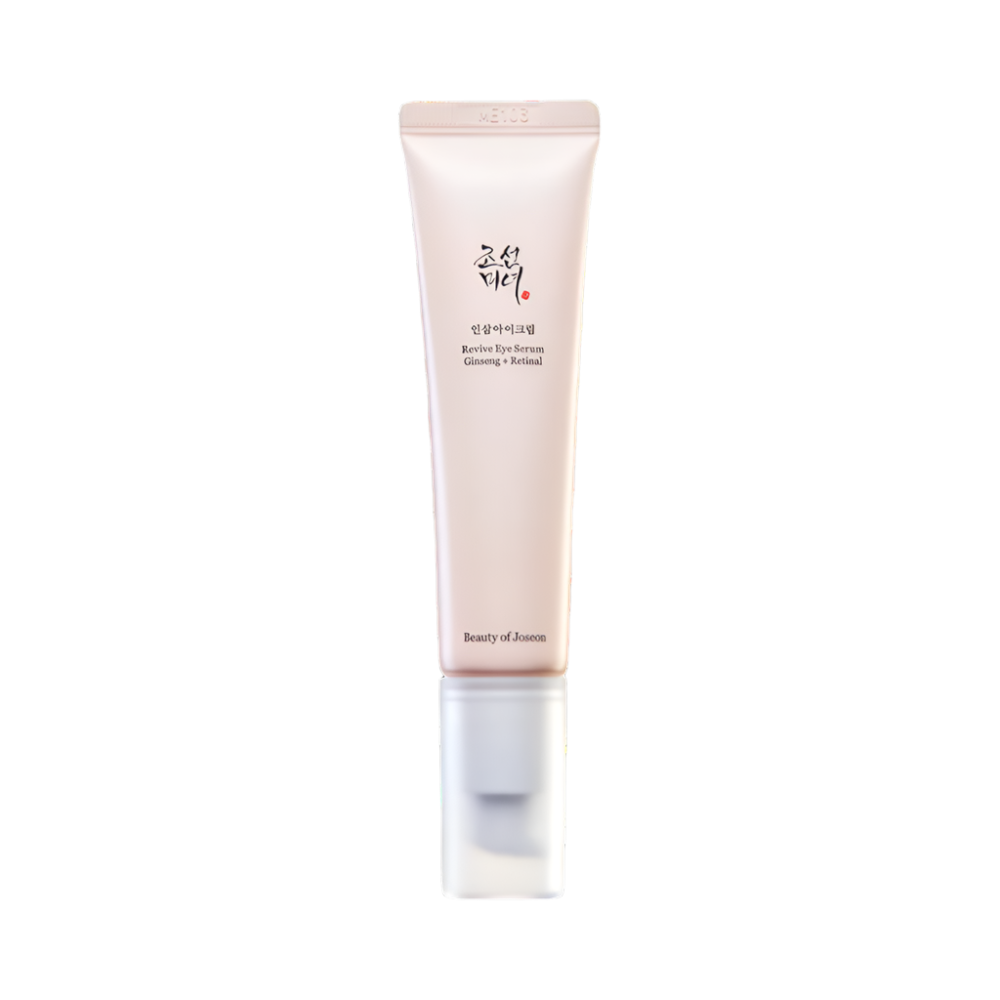
Retinol, AHA and BHA are all popular ingredients in a thoughtful skincare routine. There’s a good reason: each can support skin renewal in a different way, helping you achieve smoother skin and a more even skin tone. But can you use them together? Or is it better to use retinol and exfoliants on different days?
If you’re also unsure how to combine these active ingredients, you’re in the right place. We’ll explain the difference between AHA and BHA, what to keep in mind when using retinol, and how to build a routine that doesn’t overwhelm your skin.
Retinol and AHA/BHA – what’s the difference between these active ingredients?
Before discussing how to combine them, it’s worth understanding what these ingredients are used for. Although retinol, AHA and BHA are all popular in skincare, they don’t work in the same way.
What is retinol?
Retinol is a form of vitamin A that belongs to the retinoid group. It is converted into a more active form in the skin and can help improve fine lines, uneven skin tone and skin texture through its effects on cell function.
Retinol is often used for:
- caring for fine lines and visible signs of aging;
- reducing the appearance of uneven skin tone and dark spots;
- caring for acne-prone skin;
- improving skin texture.
If you’d like to learn more about how this ingredient works, read our related guide: How Retinol Works – What Is It Good For, and What Should You Know About It?
What is AHA?
AHA is short for alpha-hydroxy acids. These are water-soluble acids that help remove dead skin cells from the skin’s surface.
The best-known AHA acids are:
- Glycolic acid: a smaller-molecule acid that can be used to exfoliate the skin’s surface.
- Lactic acid: an exfoliating ingredient that can also have hydrating properties when used in the right formula.
- Mandelic acid: a larger-molecule AHA often chosen by those looking for gentler exfoliation.
AHA acids can be especially useful if your skin looks dull, has an uneven surface or feels rough to the touch.
What is BHA?
Salicylic acid is the best-known BHA, or beta-hydroxy acid. It is an oil-soluble ingredient, which is why it is especially popular for caring for oily, blackhead-prone and acne-prone skin.
Salicylic acid can help with:
- in treating sebum and impurities that build up in the pores;
- reducing the appearance of blackheads;
- caring for oily, blemish-prone skin;
- improving uneven skin texture.
If your main concern is blackheads and clogged pores, BHA may be especially worth considering.
Can retinol be used with AHAs or BHAs?
The short answer: in some cases, yes, but not necessarily in the same evening routine.
Retinol and exfoliating acids are both active ingredients. If you use them too often or together in multiple strong formulas, you may increase the risk of skin irritation, dryness, redness and peeling.
This can be a particular concern if:
- you’re just starting to use retinol;
- your skin is sensitive or dry;
- you’ve experienced irritation from active ingredients before;
- you use several exfoliating products at the same time;
- your skin’s protective barrier is already damaged or irritated.
However, it’s important to note that not every combination of retinol and acids is off-limits. With the right formulas, concentrations and frequency of use, both ingredients may have a place in some routines. Still, if you’re a beginner, it’s safer to use them on separate nights.
Retinol and AHAs - what should you keep in mind when combining them?
AHAs and retinol can both help renew the skin, but they work in different ways.
For example, if you use both glycolic acid and retinol, your skin may find the combination of these two active ingredients too much, especially if it hasn’t yet built up sufficient tolerance.
What should you keep in mind?
- Don’t start using both active ingredients at the same time. If you’re new to retinol, introduce that into your routine first.
- Don’t exfoliate every night. Frequent exfoliation doesn’t necessarily lead to better results. Your skin needs time to recover.
- Pay attention to how your skin responds. Persistent redness, a burning sensation, tightness or peeling may be signs that you’re using too many active ingredients.
Prioritize hydration. A well-tolerated moisturizer can be especially important when using retinol and AHAs.
Retinol and BHA - can they be used with salicylic acid?
The combination of retinol and salicylic acid comes up particularly often among people with oily, blackhead-prone or acne-prone skin. Both ingredients can be useful in a skincare routine for this skin type, but you don’t necessarily have to use them at the same time.
Salicylic acid may be useful for addressing problems related to clogged pores, while retinol supports skin renewal in a different way. If you’d like to use both, it’s best to apply them on separate nights.
For example:
- Monday: retinol.
- Tuesday: hydrating, soothing routine.
- Wednesday: BHA exfoliant.
- Thursday: hydrating, soothing routine.
- Friday: retinol, if your skin tolerates it well.
- Saturday and Sunday: rest days or a simple moisturizing routine, depending on your skin's condition.
This is just an example, not a mandatory schedule that's right for everyone. If you're a beginner, use retinol and exfoliants less often, and gradually adjust the frequency.
How should you build your routine if you use both retinol and an exfoliant?
The most important thing is not to try to incorporate both active ingredients into your routine every night.
Retinol nights
Keep it simple on retinol nights:
- Gentle facial cleanser.
- Retinol serum, according to the product directions.
- Moisturizer.
If your skin is sensitive, you can also try the sandwich method, applying moisturizer.
Exfoliation nights
It's also important to keep your routine simple when using an exfoliant:
- Gentle facial cleanser.
- AHA or BHA product, according to the directions.
- Moisturizer.
Don't combine several exfoliating products at once, and don't use retinol on the same evening, especially if you don't yet know how your skin will react to them.
Rest days
You don't need to use active ingredients on rest days. On these evenings, the goal is to support skin comfort:
- gentle cleansing;
- a hydrating serum, such as one with hyaluronic acid or panthenol;
- a moisturizer with ceramides or another well-tolerated moisturizer.
In skincare, sometimes a simpler routine is the better choice.
Which ingredients should you use alongside retinol and exfoliants?
If you incorporate several active ingredients into your routine, it's especially important to have products that hydrate and support the skin barrier.
Ceramides
Ceramides are important components of the skin's natural barrier. Moisturizers with ceramides can help maintain skin comfort, especially if you experience dryness when using retinol or exfoliants.
Panthenol
Panthenol, also known as provitamin B5, is a common ingredient in soothing and hydrating products. It may be a good choice if your skin feels tight or more sensitive than usual.
Hyaluronic acid
Hyaluronic acid helps bind moisture to the skin's surface, which may contribute to a more hydrated, plump feeling.
Centella asiatica
One of the popular botanical ingredients in Korean skincare. Often used in formulas developed to care for sensitive skin prone to redness.
Glycerin
Glycerin is a well-known moisturizing ingredient that helps maintain the skin’s moisture. It’s found in many serums and face creams.
You don’t need to use these ingredients at the same time. Choose a few well-tolerated products that suit your skin’s needs.
How often should you use retinol and an exfoliant?
There’s no one-size-fits-all rule, because the right frequency depends on the product’s concentration and formula, your skin’s condition, and how experienced you are with using active ingredients.
If you’re just starting retinol, use it once or twice a week at first. Don’t introduce a new exfoliant at the same time. If you’re already used to retinol and want to use an AHA or BHA product too, introduce it on a separate occasion and less frequently. Observe how your skin reacts, and only increase use if it tolerates it well.
If you experience persistent irritation, a burning sensation, or severe peeling, stop using active products and return to gentle cleansing, moisturizing, and sun protection. If symptoms are severe or prolonged, seek advice from a dermatologist.
Why is sunscreen important when using retinol and AHA/BHA?
Sun protection is important even if you don’t use exfoliants or retinol. However, it’s especially worth paying attention to when adding these ingredients to your routine.
Some exfoliants, especially AHA acids, can increase your skin’s sensitivity to UV radiation. Consistent sun protection is also important because of irritation that may occur when introducing retinol.
Use a broad-spectrum sunscreen every morning with at least SPF 30, ideally SPF 50. If you spend a long time outdoors, reapply regularly, and don’t forget to seek shade and wear appropriate clothing.
Who should be especially cautious?
Not all skin reacts the same way to retinol and exfoliating acids. In some cases, it’s worth building your routine with extra care.
If you have sensitive skin: if you often experience redness, stinging, or burning, prioritize your skin’s comfort first. You don’t necessarily need more active ingredients.
If your skin is dry or dehydrated: using retinol and exfoliants together can increase feelings of dryness. Proper hydration is especially important in this case.
If your skin is damaged or irritated: avoid using active exfoliants or retinol until your skin has recovered.
For those new to retinol: Introduce just one new active ingredient at first. This makes it easier to observe how your skin responds.
Retinoids are generally not recommended during pregnancy, so if you are pregnant, seek medical advice about using retinol-containing products.
Frequently asked questions about using retinol and exfoliants
Can I use retinol and salicylic acid on the same evening?
It's not recommended for beginners. Both ingredients are active, so using them together may increase the risk of irritation. It's best to use them on separate evenings.
Can I use glycolic acid alongside retinol?
Yes, with appropriate care, but it's best to use them on separate evenings. If your skin is sensitive, start by adding just one active ingredient to your routine.
Which should I use first: retinol or an exfoliant?
The simplest solution is not to use them in the same evening routine. It's best to use retinol and exfoliants on separate days.
Can I use niacinamide alongside retinol and AHA/BHA?
Niacinamide can often be used alongside these ingredients. However, if your skin is sensitive, start with a simple routine and introduce new products gradually.
Do I need to exfoliate every day?
No. Daily exfoliation isn't necessary, and overuse can cause irritation. Follow the product instructions and choose how often to use it based on your skin's response.
What should I do if my skin becomes red after using retinol and an exfoliant?
Stop using active products and return to gentle cleansing, moisturizing, and sun protection. If the irritation is severe or persistent, seek advice from a dermatologist.
In summary: retinol and exfoliants can work well together, but there's no need to rush
Retinol, AHAs, and BHAs can support your skincare in different ways, but you don't need to use them all at once.
If you'd like to include both groups of ingredients in your routine, start gradually and, if possible, use retinol and exfoliants on separate evenings. In the meantime, pay attention to hydration, your skin's signals, and daily sun protection.
Mindful skincare isn't about using as many active ingredients as possible. It's more about finding the balance that keeps your skin comfortable in the long term.
If you're looking to add retinol to your routine, explore the range of Korean retinol serums and choose a product that suits your skin's needs and your level of experience.