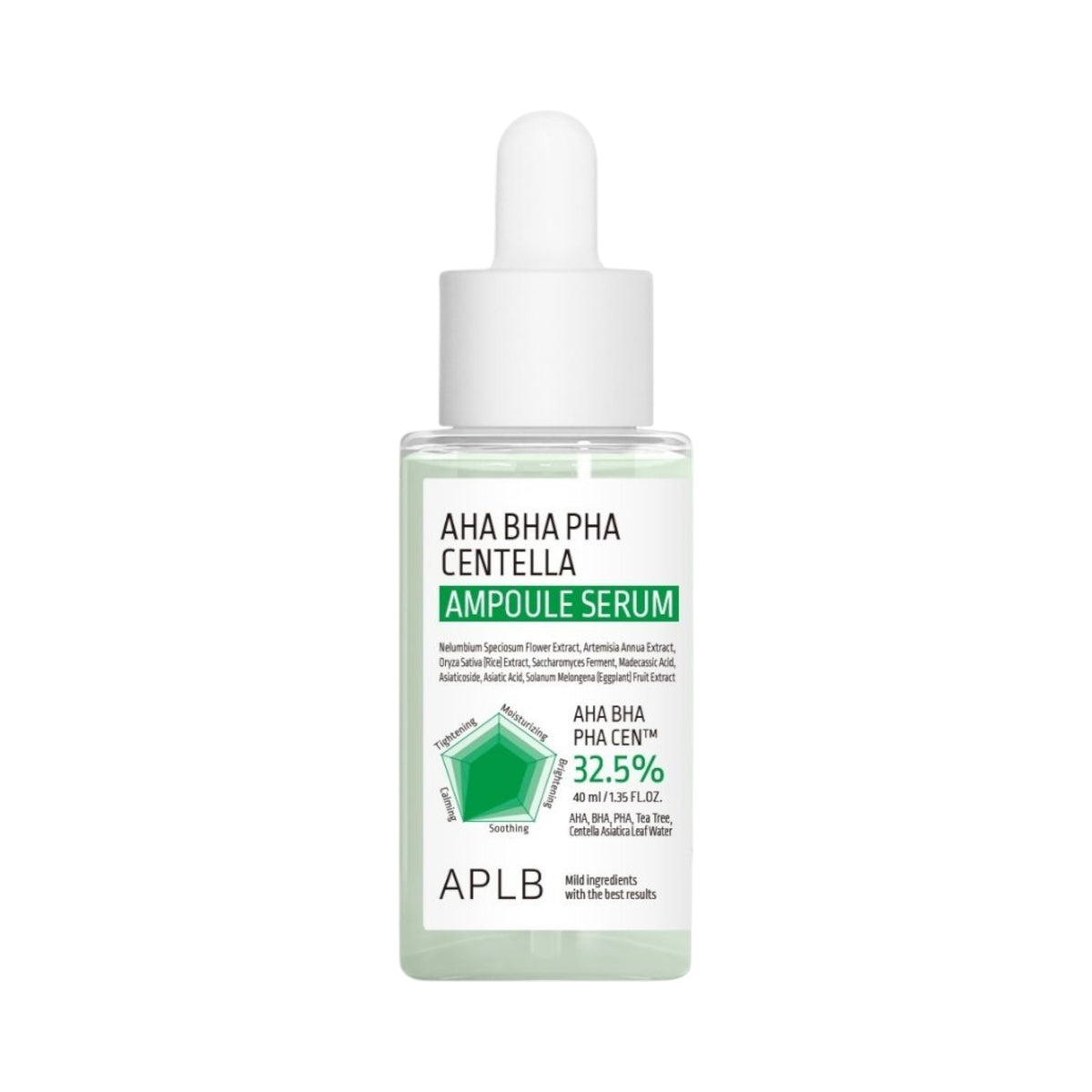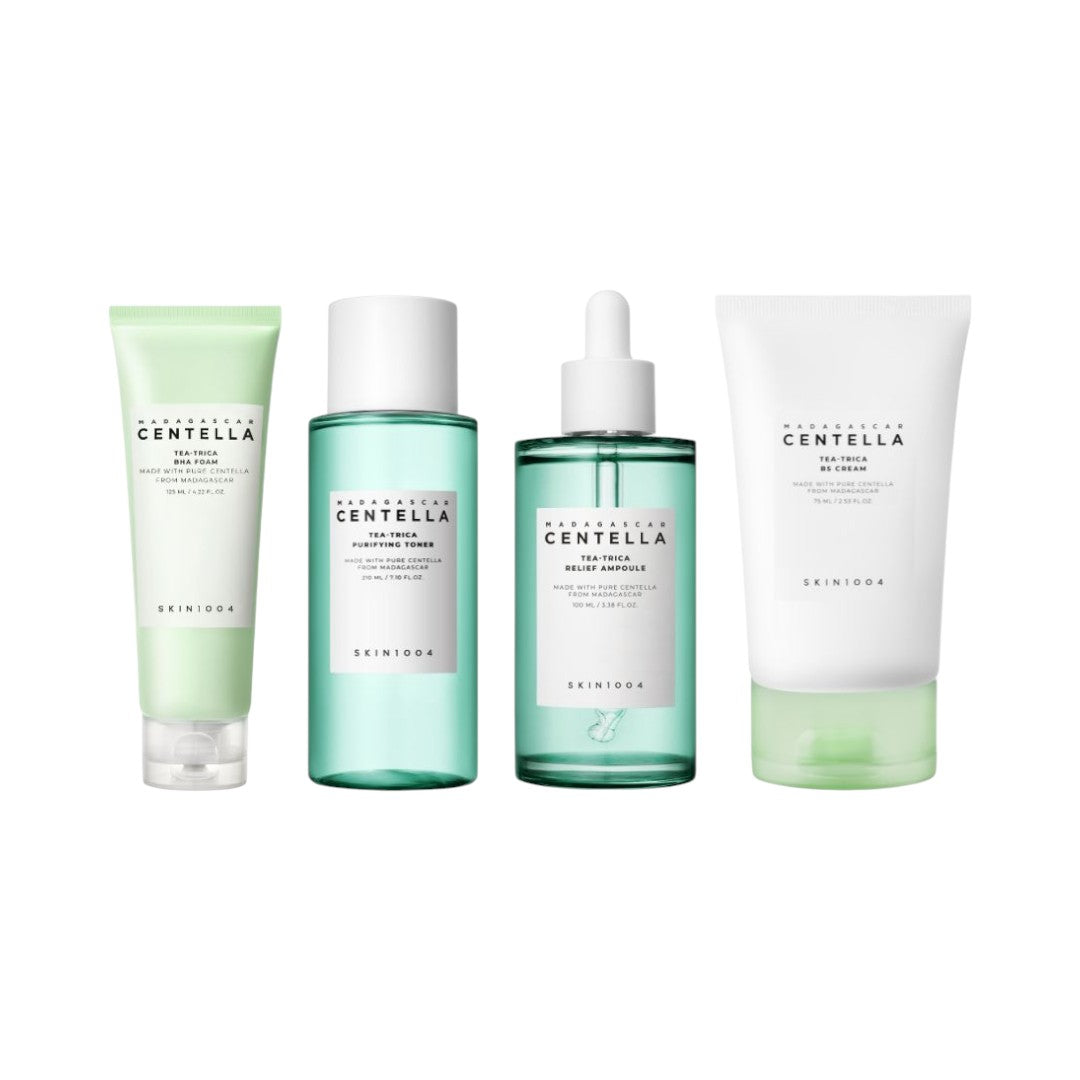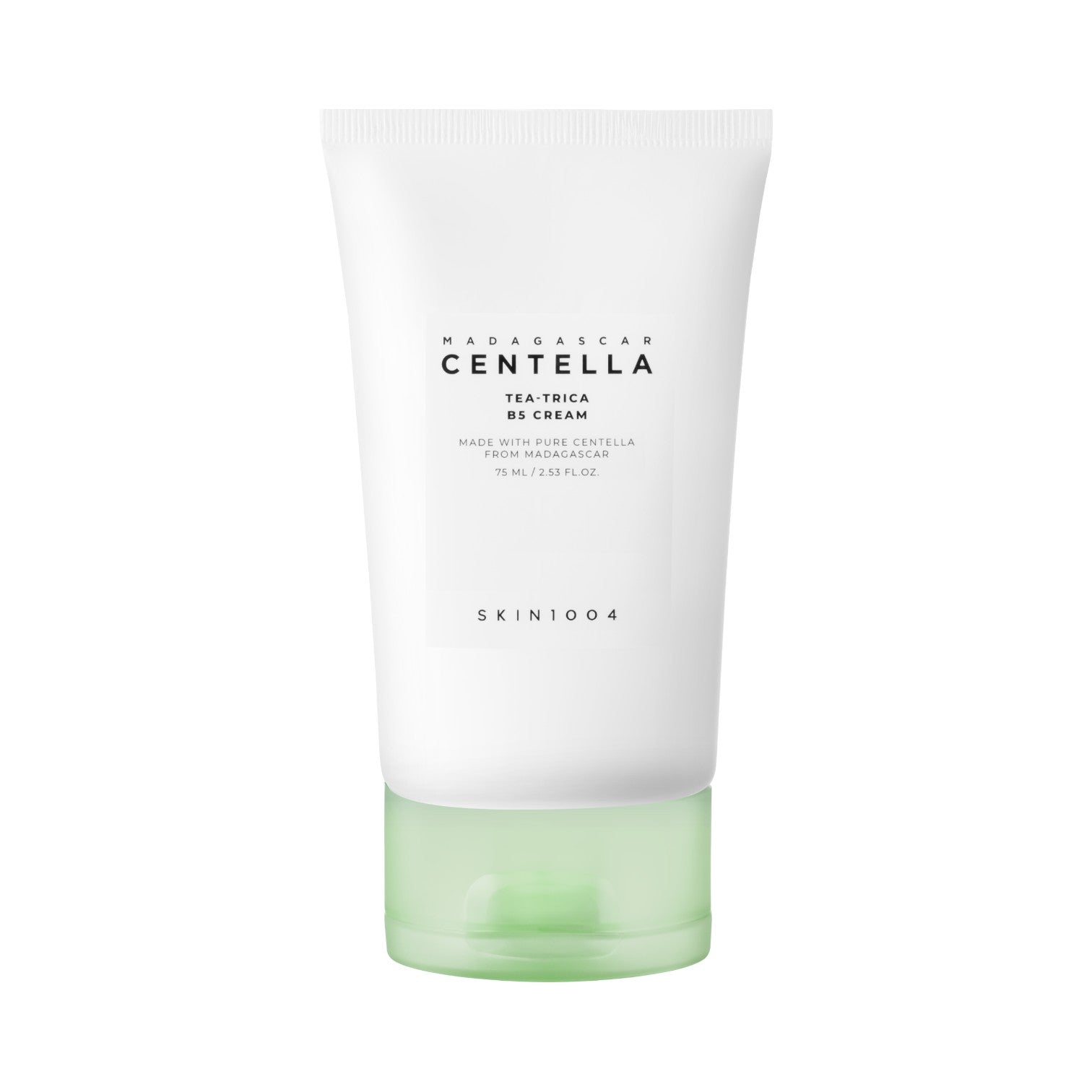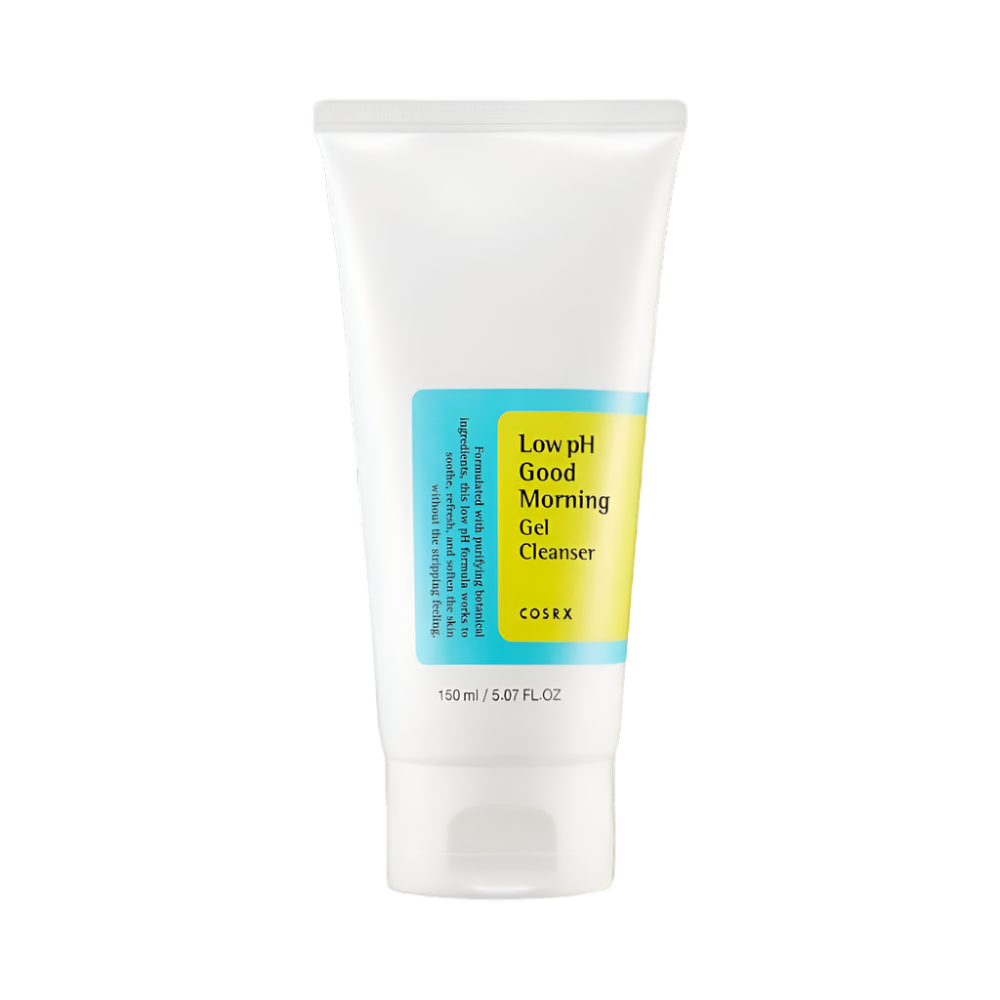
When a painful, inflamed pimple appears on our face, or our skin turns red for no apparent reason, we tend to reach for the most aggressive drying creams. However, nature (and Korean skincare) offers much smarter solutions! If your skin is crying out for an SOS lifeline, tea tree oil and propolis are your two best friends. These two wonderful natural ingredients fight inflammation without damaging your skin’s protective barrier.
Today, I’ll show you how tea tree oil and propolis work, what the difference between them is, and when to use each for perfect, clear skin! 👇
Why is tea tree oil unbeatable against pimples? 🌿
Tea tree oil is one of the oldest and most well-known saviors of problematic skin. It is extracted from the leaves of an Australian tree species, and its power lies in its impressive antibacterial effect.
- How does it work? Pimples are mostly caused by the bacteria C. acnes multiplying in the pores. Tea tree oil can penetrate the skin and naturally destroy these bacteria while reducing swelling.
- Oil control: It not only dries out existing pimples but also helps regulate excessive oil production, preventing new ones from forming.
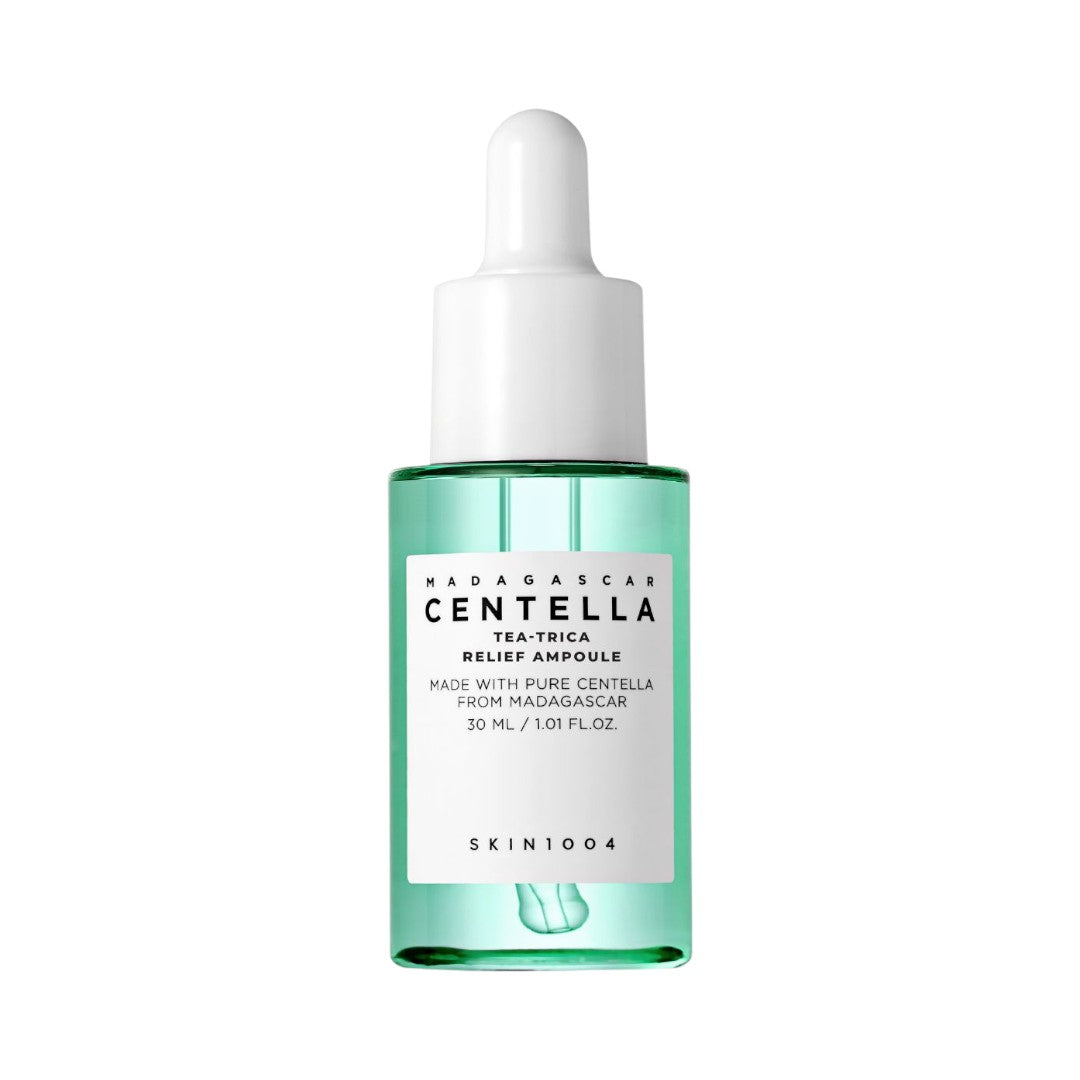
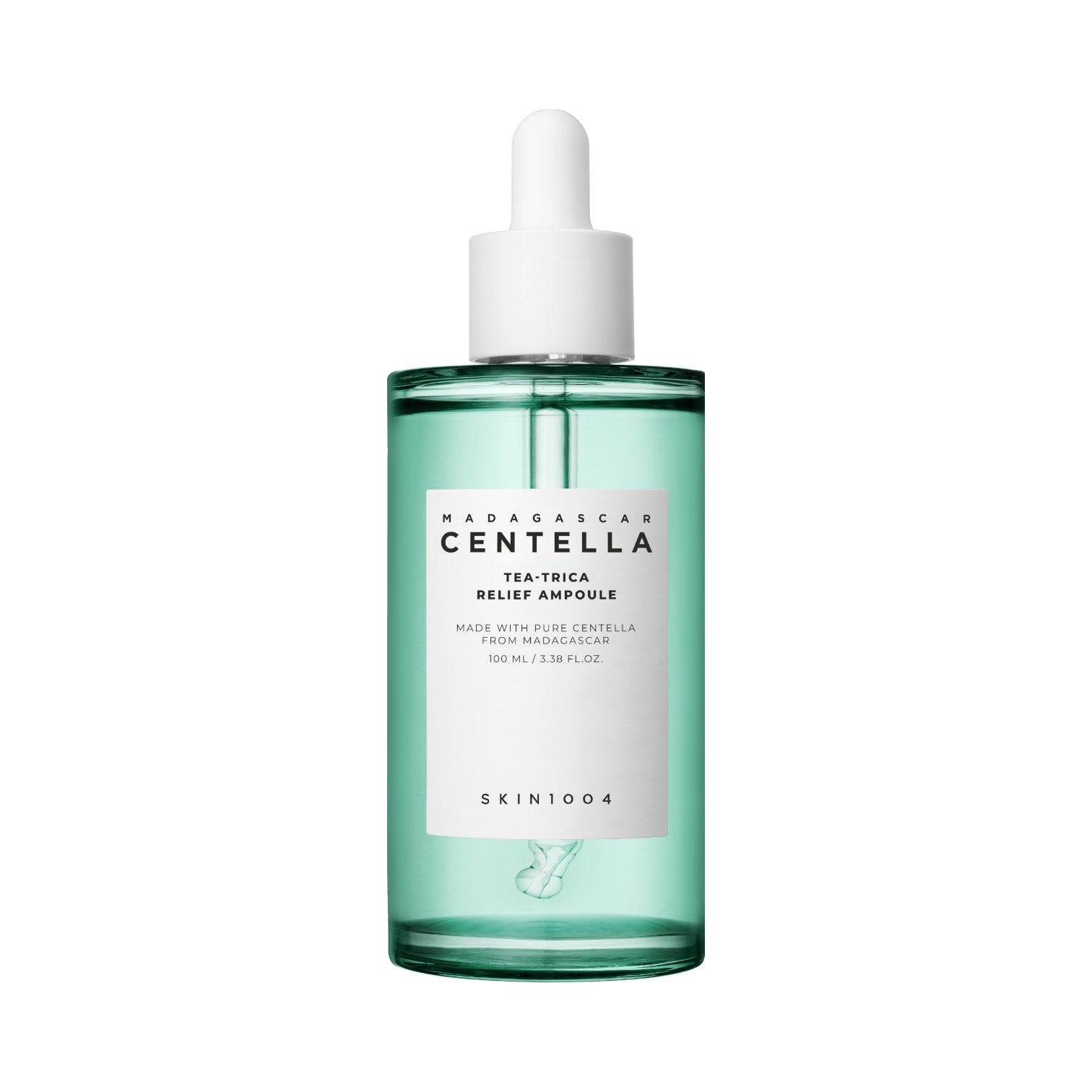
- Tips: Never apply pure, 100% essential oil directly to your face, as it can cause severe irritation! Always look for Korean cosmetics (toners, serums) where tea tree oil is present in a safe, diluted but effective concentration (e.g., combined with Centella).
How does propolis heal? The bees’ secret weapon 🐝
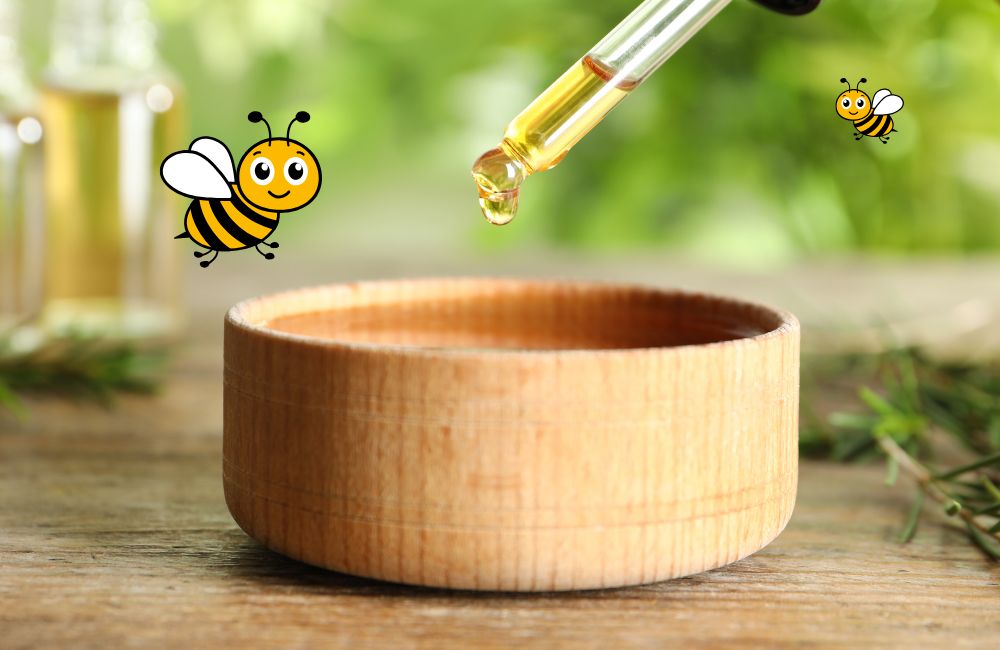
While the previous ingredient is the "attacker," propolis is the "healer." Propolis (bee glue) is a resinous substance bees use to disinfect and protect the hive. In skincare, it’s a truly luxurious ingredient!
- How does it work? Propolis is incredibly rich in flavonoids and antioxidants. It also has antibacterial and antifungal effects, but its main superpower is cell regeneration and deep hydration.
- Soothing and radiance: If your skin is inflamed, red, and painful from pimples or cold wind, propolis acts like a soothing, warm compress. Plus, it restores the skin’s natural, healthy glow (the famous "propolis glow").
Which one should you choose? ⚖️
You often ask which is better. The answer depends on the stage of your skin problem and your skin type!
Choose tea tree oil if:
- Your skin is oily with large pores and you also struggle with blackheads.
- You have active, pus-filled, "angry" pimples that need to be treated quickly.
- Your goal is targeted, spot treatment and killing bacteria.
Choose propolis if:
- You have pimples BUT your skin is dry, dehydrated, or very sensitive.
- The pimple has already burst, and you want the wound to heal quickly without scars or dark spots (PIH).
- Your skin is tired and dull, and besides reducing inflammation, you want a little extra "glow" effect.
Combining tea tree oil and propolis: The perfect routine 🤝
The best news? You don’t have to choose! Tea tree oil and propolis work perfectly together in your routine and create a fantastic synergy.
- How to do it: Use a gentle, tea tree oil-based cleanser or toner to clean pores and keep bacteria under control. Then, as the next step in your routine, apply a rich, nourishing propolis ampoule (serum) that soothes the skin, replenishes moisture, and speeds up healing.
- This combination helps you avoid the common mistake of making your face bone-dry and flaky from pimple treatments!
Summary: Protect your skin with the power of nature!
You don’t always have to reach for the harshest chemical lab ingredients when your skin rebels. Tea tree oil and propolis have proven that natural anti-inflammatories can be incredibly effective. With a little care and the right K-Beauty formulas, clear and calm skin is no longer just a dream!
Which miracle ingredient will you try first?
Click here to discover the best Korean serums and toners containing tea tree oil in the webshop!