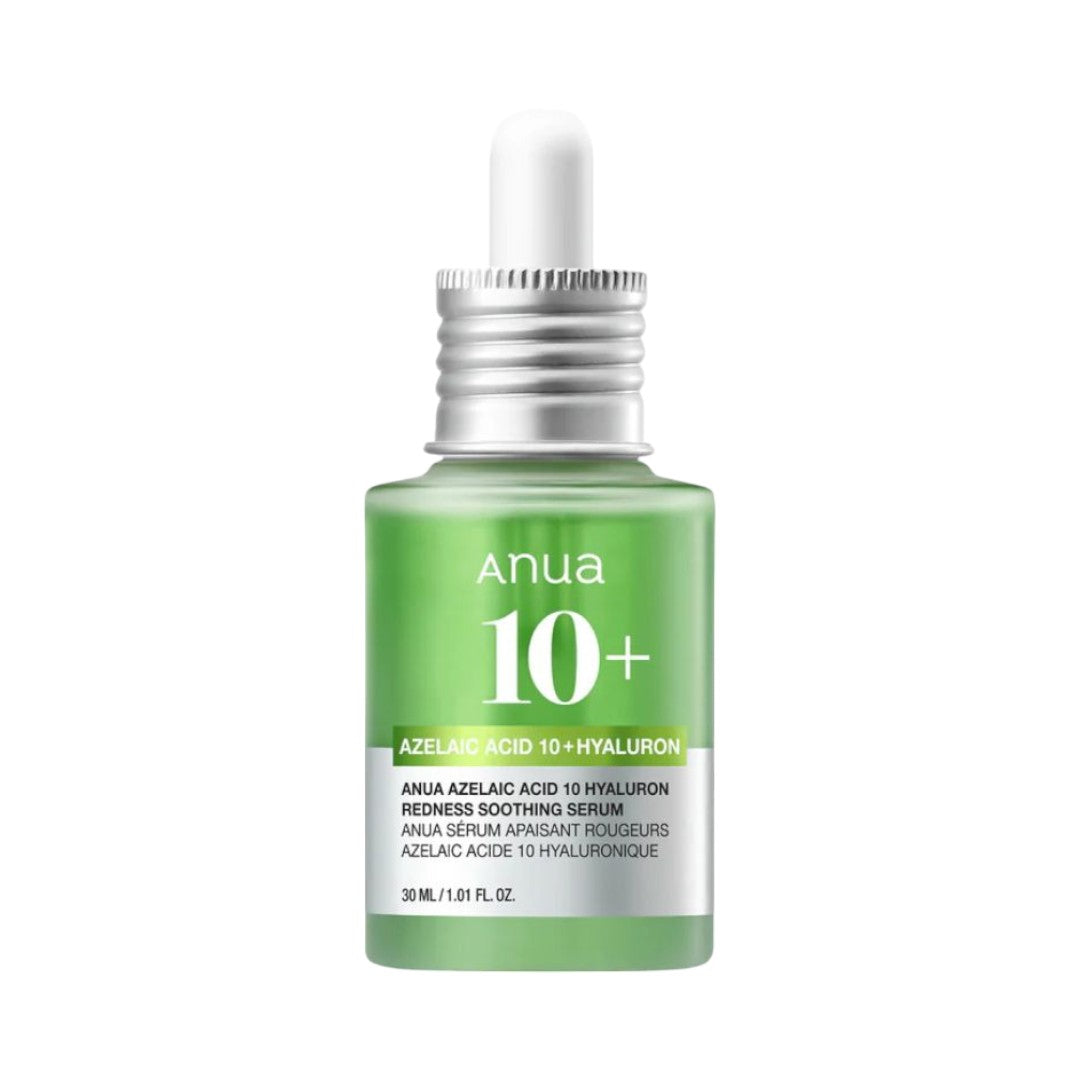

Sensitive skin is not a skin type but a condition that can affect anyone. If your skin often reacts with redness, tightness, itching, or stinging irritation to a new (or even an old) product, then you know exactly how frustrating skincare can be. Many people think it’s "just fuss," but in reality, your skin’s protective layer (skin barrier) is sending distress signals. The good news is that with the right products, this condition can be managed. Korean cosmetics (K-Beauty) are famous for their gentle, barrier-strengthening formulas, but even here, it’s important to know what to look for—and what to avoid—in the ingredient list (INCI).
In this article, we reveal the common ingredients that pose the greatest risk to sensitive skin.
🌿 Why does sensitive skin react so strongly?
Before diving into the INCI list, it’s important to understand the "why." Sensitive skin most often means a damaged skin barrier. This protective layer is responsible for keeping moisture in and irritants (pollutants, allergens) out. When this wall is damaged, your skin becomes vulnerable:
- It loses water more easily (becoming dehydrated).
- Irritants penetrate deeper, causing inflammation and redness.
Some cosmetic ingredients can further weaken this protective layer or are strongly irritating on their own. Let’s see which ones these are!
💠 Ingredients risky for sensitive skin
Reading the INCI (International Nomenclature of Cosmetic Ingredients) list can be a real superpower in caring for sensitive skin. Here are the most common offenders:
1. Drying alcohols (Alcohol Denat., SD Alcohol)
When you see alcohol on the ingredient list, it’s important to distinguish between types.
- "Bad" alcohols: These include Alcohol Denat. (denatured alcohol), SD Alcohol, or simply Ethanol. They are often used in tonics or creams for oily skin because they evaporate quickly, mattify, and help other active ingredients absorb. However, for sensitive skin, they can be disastrous: they dissolve the skin’s natural oils, dry it out, and severely damage the skin barrier.
- "Good" alcohols: Don’t be alarmed by names like Cetyl Alcohol, Stearyl Alcohol, or Cetearyl Alcohol. These are fatty alcohols that behave very differently: they are emollients and thickeners that actually help maintain skin hydration.
2. Fragrances (Fragrance/Parfum) and essential oils
Who doesn’t love nicely scented creams? Unfortunately, sensitive skin often disagrees. Fragrances (INCI: Fragrance or Parfum) are among the most common contact allergens.
Pay special attention to essential oils. Although they sound "natural" (e.g., lavender, eucalyptus, citrus, or mint oils), they are full of potentially irritating compounds like Linalool, Limonene, or Geraniol. (In the EU, these must be listed separately on the INCI if present above a certain concentration.) If your skin is very reactive, it’s best to look for products labeled "fragrance-free."
3. Harsh sulfates (SLS and SLES)
Foaming facial cleansers often contain surfactants that help dissolve oils and dirt. However, not all are the same. Sodium Lauryl Sulfate (SLS) and Sodium Laureth Sulfate (SLES) are too strong: they wash away not only dirt but also essential lipids vital for the skin.
The result? Your skin feels tight, "squeaky" clean, and unprotected after cleansing. For sensitive skin, this is a direct path to irritation. Instead, look for gentle, low pH, sulfate-free Korean cleansers that clean without damaging the barrier.
4. Harsh physical scrubs
Exfoliation is important, but with sensitive skin, the "how" is key. Scrubs with coarse, sharp particles (e.g., apricot kernel, walnut shell, or sugar-based) can cause micro-injuries on the skin surface. These invisible wounds further weaken the skin’s protective layer and open the door to inflammation.
Instead, choose gentle chemical exfoliants (e.g., PHA, LHA, or low-concentration mandelic acid), or popular K-Beauty enzyme powders and "gommage" (peeling that rubs off) types that remove dead skin cells without scratching.
5. Some "natural" irritants (e.g., Witch Hazel)
As we saw with essential oils, "natural" does not equal "gentle." Another common example is Witch Hazel. Although popular for its pore-tightening and anti-inflammatory effects, it is high in tannins and often extracted with alcohol, which can sensitize the skin over time. If your skin tends to redness, be cautious with this ingredient.
🔷 K-Beauty’s answer to caring for sensitive skin
Now that you know what to avoid, the question arises: what should you look for instead? Korean skincare leads the way in soothing sensitive skin. Instead of attacking the skin with strong, "problem-solving" ingredients, K-Beauty focuses on restoring the barrier and reducing inflammation.
Look for these "superhero" ingredients on the INCI list:
- Centella Asiatica (Cica): The queen of soothing. Look for the extract or its active components (Madecassoside, Asiaticoside).
- Ceramides (Ceramide NP): Building blocks of the skin barrier. They help "patch" gaps in the protective layer.
- Panthenol (Vitamin B5 precursor): Deeply hydrates, soothes irritation, and supports wound healing.
- Mugwort and heartleaf: Native Korean plants with powerful antioxidant and soothing properties.
- Hyaluronic acid and glycerin: Essential moisturizers (humectants) that attract and hold water.
Summary
Caring for sensitive skin is a patience game, starting with consciously reading ingredient lists. By excluding the potential irritants mentioned above and focusing on strengthening the skin barrier and soothing the skin, you can achieve noticeable improvement.
Unsure which product would be best for your sensitive skin? Browse our carefully selected Korean cosmetics labeled For Sensitive Skin, guaranteed to be gentle yet effective!