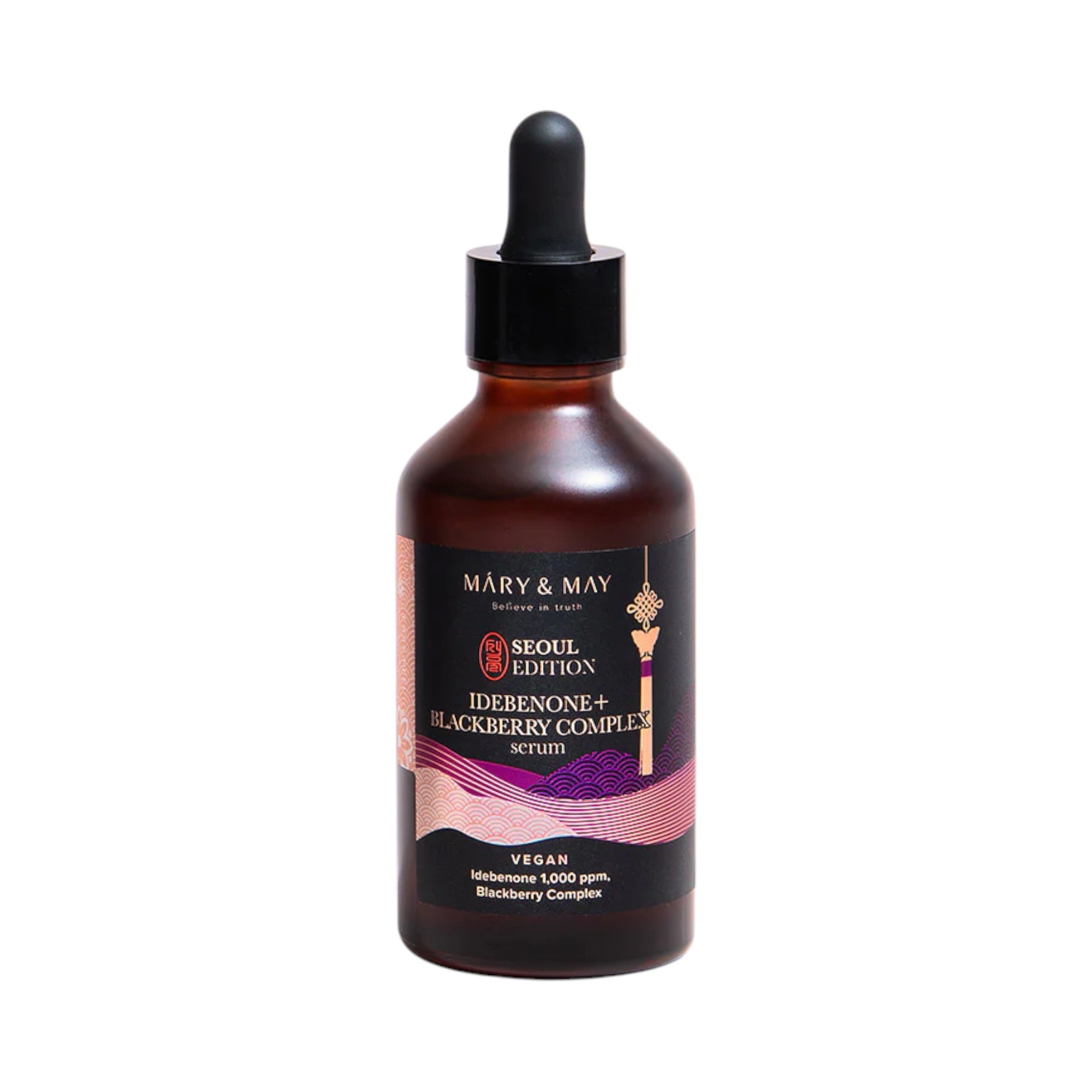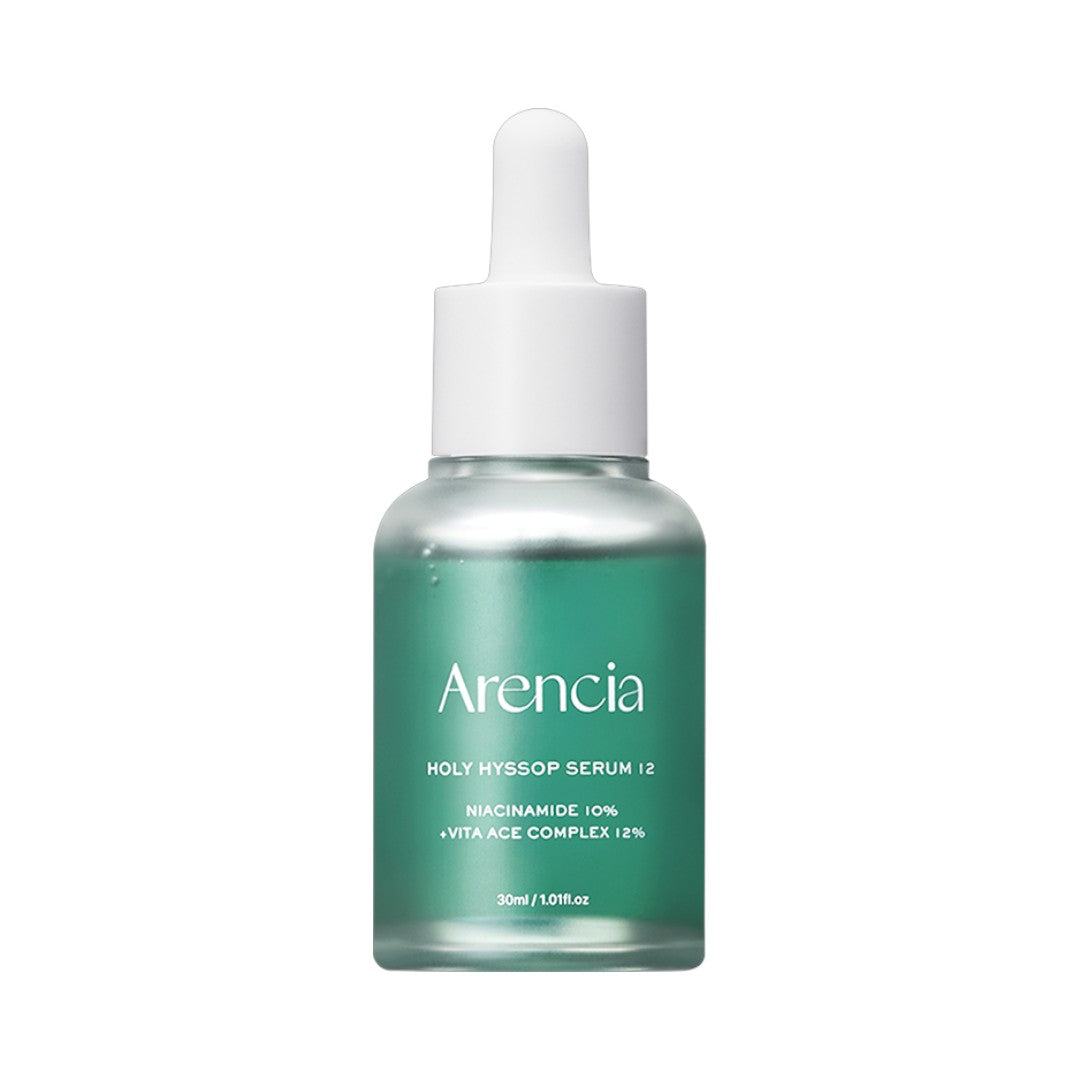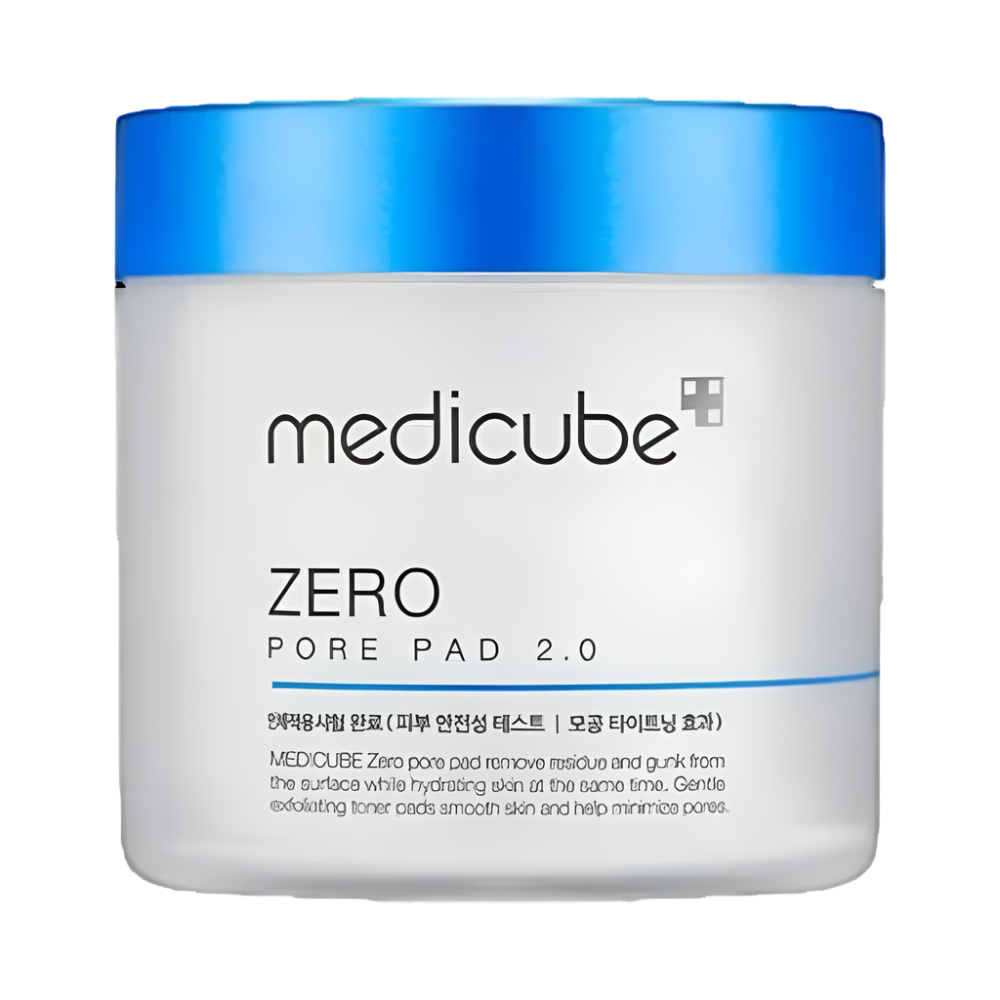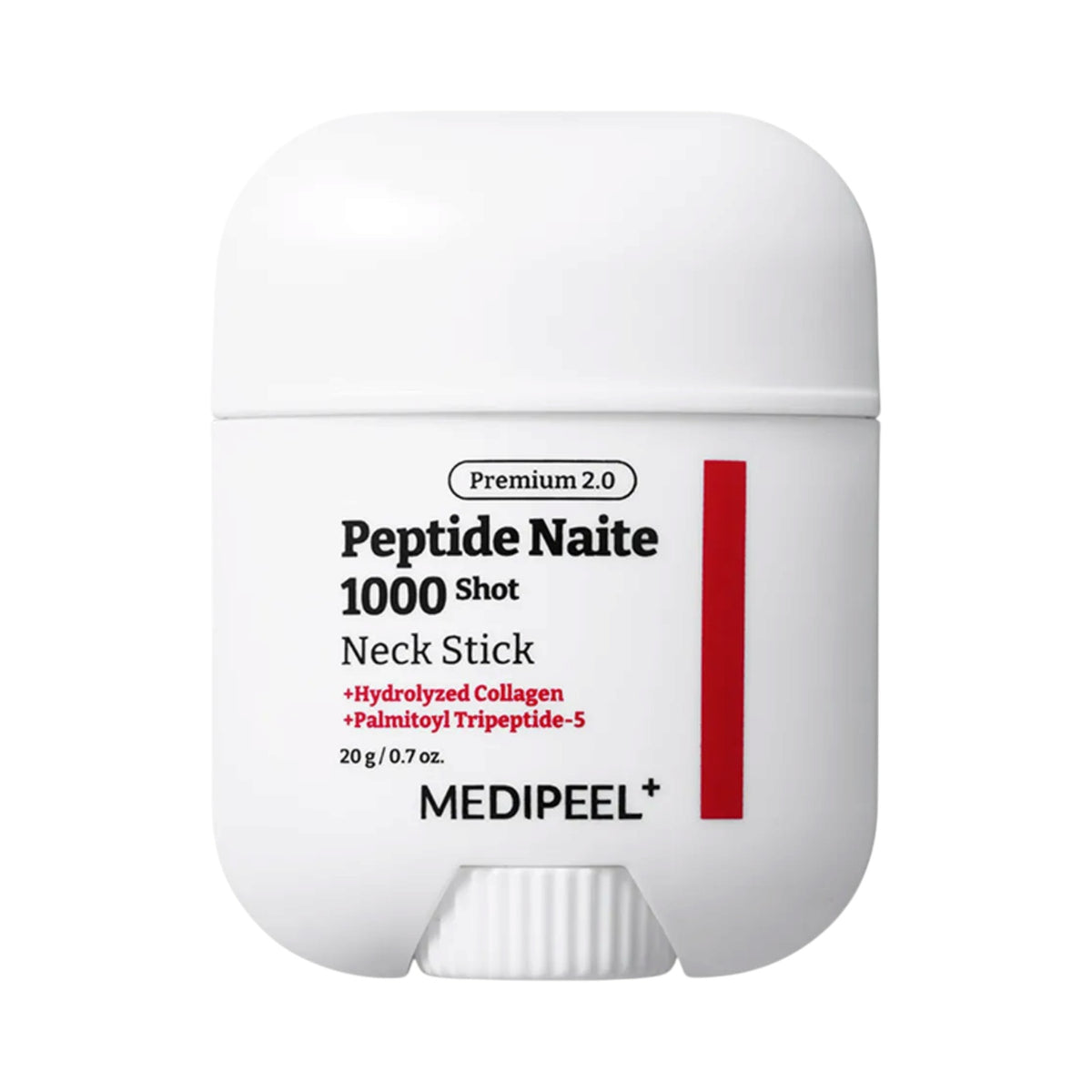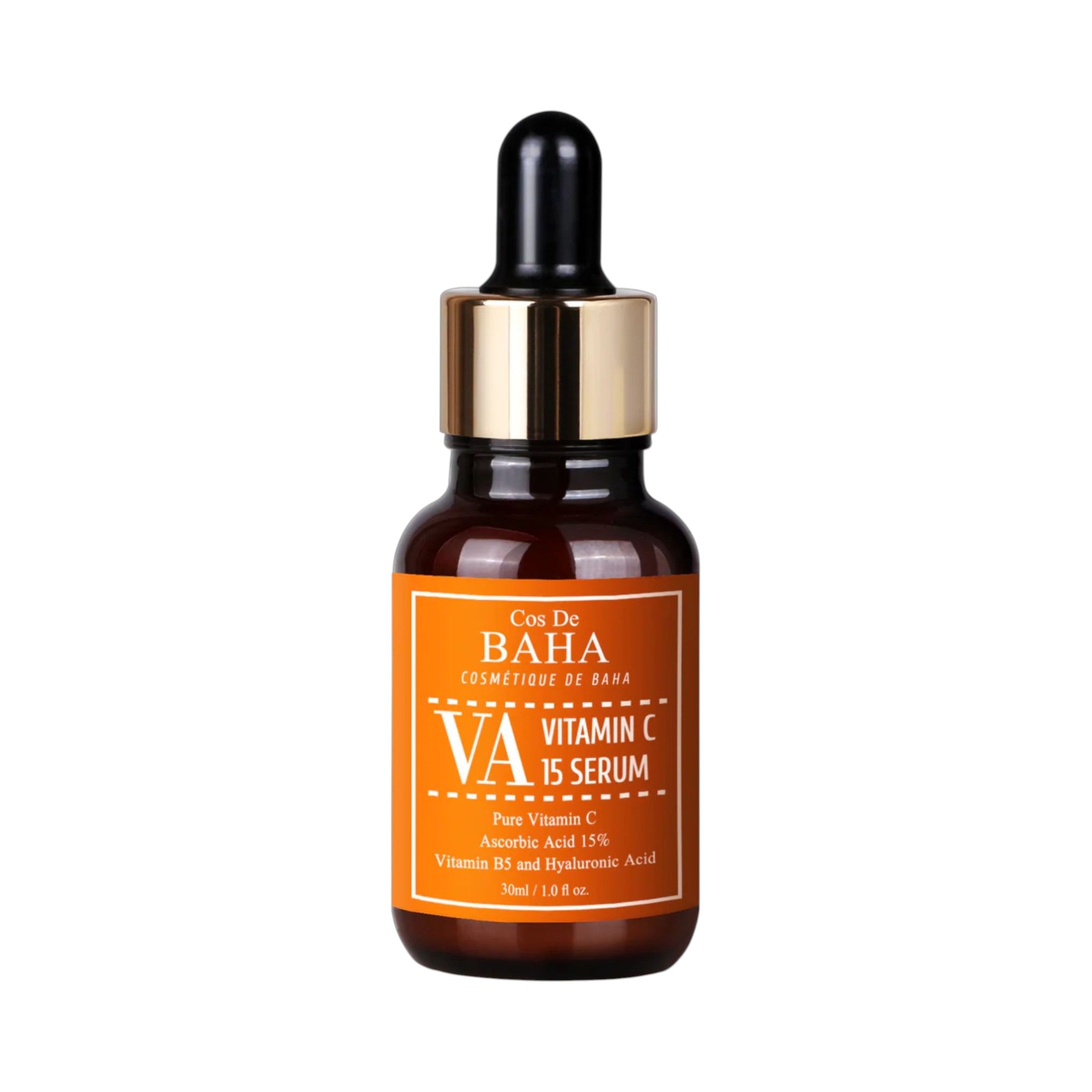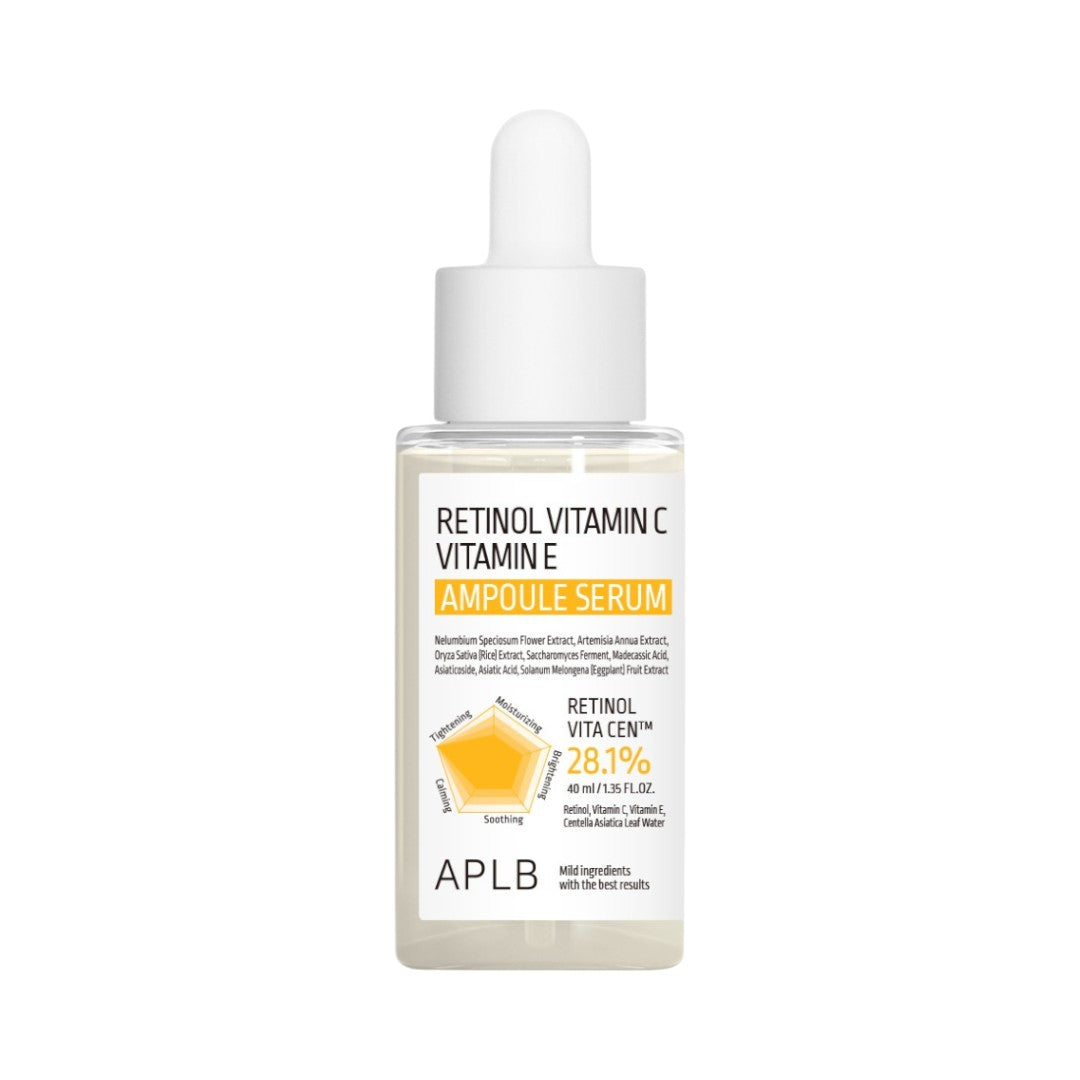
Niacinamide, retinol, vitamin C, exfoliating acids, PDRN, peptides, azelaic acid… In the world of Korean skincare, we come across an exciting new ingredient almost every day that may offer a promising solution to one of our skin concerns. It's easy to fall into the trap of thinking that the more active ingredients we add to our routine, the better results we'll get.
Yet when it comes to skincare, more isn't necessarily better. Using too many active ingredients can lead to irritation, increased sensitivity, and a weakened skin barrier. But how can you tell if you've overdone it with serums and active ingredients? And how can you build a routine that truly meets your skin's needs?
Let's take a look!
Why is it not a good idea to use too many active ingredients at once?
Modern skincare products are available in an increasingly wide variety of formulations. A well-chosen active ingredient can help improve hydration, even out skin tone, care for acne-prone skin, or reduce visible signs of aging.
The problem usually isn't a single ingredient, but using too many different products too often and without coordinating them.
Think about it: if you use a vitamin C serum, niacinamide, and several moisturizing ampoules in the morning, then use retinol, exfoliating acids, and yet another active serum in the evening, your skin may not have enough time to adjust.
Too many active ingredients can cause several problems:
- can increase skin irritation;
- can cause dryness, tightness, and flaking;
- can make the skin more sensitive to external factors;
- can make it harder to identify which product is causing the problem;
- can disrupt the balance of a skincare routine that was already working well.
It's important to understand that our skin doesn't become healthier just by applying as many different active ingredients as possible. Choosing the right ingredients, introducing them gradually, and using them regularly are much more important.
5 signs you've overdone it with active ingredients
Our skin often signals when something isn't working properly. It's worth paying attention to these changes, especially if you've recently added several new products to your routine.
1. Your skin feels tight and drier than before
If your skin feels uncomfortably tight after cleansing, or feels dry during the day, it may be worth rethinking your routine. Exfoliating too often and overusing certain active ingredients can weaken your skin’s protective barrier. This can make it easier for your skin to lose moisture and harder to stay properly hydrated. Not all dryness means your skin barrier is damaged, but if it comes on suddenly despite a routine that used to work well, it’s worth being alert.
2. Products that never caused problems before now sting
Did a hydrating toner or simple face cream used to feel soothing, but now it stings or burns? This could be a warning sign. If your skin’s protective barrier is irritated or damaged, even products you used without any problems before may become uncomfortable to use. In this case, it’s not a good idea to try even more serums. Instead, simplify your routine and give your skin time to recover.
3. Redness, itching, or increased sensitivity
If your skin is redder or more sensitive than usual, or feels itchy, this may point to irritation or a reaction to a particular product. Pay special attention if you’ve introduced several new skincare products at once. Redness can, of course, have other causes, too, so consider seeing a dermatologist if symptoms are persistent or severe.
4. Your skin is peeling and its texture is becoming uneven
Exfoliation can be a useful part of skincare in some cases, but doing it too often or too intensely can have unpleasant consequences. If your skin is peeling in patches, feels rough, or your makeup is getting harder to apply smoothly, you may be using too many exfoliating products. Remember: peeling doesn’t prove that a skincare product is working effectively.
5. You’re experiencing more problems while using more products
This may be one of the most telling signs.
Did you start using more products because you wanted to improve your skin, only to find new problems cropping up? More redness, dry patches, uncomfortable tightness, or breakouts? It may be worth pausing for a moment. You may not need another serum. It could be that you need to simplify your existing routine.
Which active ingredients call for extra care?
It’s not that certain ingredients should never be used together. Many active ingredients can be combined effectively, and a well-designed routine can include several active ingredients. What matters is the concentration, frequency of use, product formulation, and your skin’s individual tolerance. Let’s look at which combinations call for extra care!
Retinol and exfoliating acids
Retinol and AHA and BHA acids are both active ingredients that can be beneficial in a skincare routine when used appropriately. Retinol can help improve skin texture and visible signs of aging, while exfoliating acids help remove dead skin cells. However, using the two ingredients together too often can increase the risk of irritation, dryness, and peeling, especially if your skin isn’t used to them yet.
What should you do?
If you’re new to retinol or acid exfoliation, don’t introduce them at the same time. Start with one, using it less frequently, and monitor your skin’s reaction. You can add the other active ingredient later on separate days if your skin tolerates it well.
Multiple exfoliating acids in one routine
Glycolic acid, lactic acid, mandelic acid, and salicylic acid can help renew the skin’s surface and unclog pores in different ways. But using several different acid products one after another doesn’t necessarily offer any benefit. For example, combining an acid toner with an exfoliating serum and another acid treatment can easily overwhelm your skin.
What should you do?
Choose an exfoliating product that suits your skin’s needs. Use it as directed, and don’t try to speed up results by using it more often.
Vitamin C and multiple active ingredients
Vitamin C is a popular antioxidant that can help even out skin tone and support protection against environmental stressors. It isn’t inherently a problem to combine it with niacinamide or other moisturizing ingredients. The difficulty may arise when a single routine includes too many formulas with high concentrations or a tendency to cause irritation.
What should you do?
If you want to use a vitamin C serum, start with just one product. Don’t feel you need to add three more active serums to your routine.
Retinol and other retinoids
Alongside retinol, you may come across products containing other retinoids, such as retinaldehyde. These ingredients have similar purposes, so there’s generally no need to use several different retinoid products at the same time. For example, using a retinol serum and a retinal-containing cream can easily make your routine too intense.
What should you do?
Choose one retinoid product and introduce it gradually, adjusting to your skin’s tolerance. Gradual introduction is especially important here.
Which active ingredients can you combine more easily?
The good news is that you don’t need to be wary of every active ingredient. Some combinations can work particularly well together. The key is to consider not just the names of the active ingredients, but also the product’s full formula and how your skin reacts.
Some common combinations:
- Niacinamide and hyaluronic acid: niacinamide can support skin barrier function, while hyaluronic acid can help maintain hydration.
- Retinol and ceramides: a moisturizer containing ceramides can help support the skin barrier alongside a retinol routine.
- Azelaic acid and moisturizing ingredients: panthenol, glycerin, or hyaluronic acid can help maintain comfort when using azelaic acid.
- Vitamin C and sunscreen: antioxidant care with vitamin C can complement your morning sunscreen.
- Peptides and moisturizing ingredients: products containing peptides can often be incorporated into a moisturizing, skin-friendly routine.
Important: even ingredients that work well together don’t automatically guarantee irritation-free results. Individual sensitivity, concentration, and product formula can all affect how your skin reacts.
What should you do if you feel you’ve used too many active ingredients?
If your skin is irritated, feels tight, becomes red, or flakes, the first step isn’t to look for more products but to simplify your routine. The goal isn’t to treat as many concerns as possible at once, but to restore your skin’s comfort.
1. Take a break from stronger active ingredients
If you experience irritation, temporarily stop using products such as:
- retinol and retinal;
- AHA and BHA exfoliants;
- stronger vitamin C products;
- other active products that have caused irritation before.
You don’t need to give up every active ingredient for good. The goal of taking a break is to let your skin calm down and make it easier to identify which products it tolerates well later.
2. Go back to basics
For now, build a simple, gentle routine.
Morning:
- gentle cleansing or rinsing your face with water if that’s enough;
- a simple moisturizer;
- broad-spectrum sunscreen with at least SPF 30.
Evening:
- a gentle facial cleanser;
- a moisturizer free from fragrance and unnecessary active ingredients.
If your skin is dry or sensitive, look for products containing ingredients such as ceramides, panthenol, glycerin, or other moisturizing ingredients.
3. Give your skin time
Don’t expect every problem to disappear in a day or two. It may take time for your skin to recover. If symptoms are severe, get worse, persist, or are accompanied by swelling, pain, or a pronounced burning sensation, consult a dermatologist.
4. Gradually reintroduce active ingredients
Once your skin feels comfortable again, don’t immediately start using all your previous products. Choose a single active ingredient and start by using it less frequently. Pay attention to how your skin reacts before introducing another active product. This will make it much easier to recognize what works for you and what’s worth dropping.
How do you build an effective Korean skincare routine without overwhelming your skin?
One of the greatest advantages of Korean skincare is its variety: you can choose from a wide range of products and ingredients that address different skin needs. However, that doesn’t mean you need to use them all.
A well-functioning routine is built around three important steps:
- Cleansing: Remove dirt, excess sebum, and sunscreen residue.
- Moisturizing: Choose a moisturizer that suits your skin’s needs.
- Sun protection: Apply an adequate amount of broad-spectrum sunscreen every morning.
You can add one or two targeted active ingredients to these. For example:
- If your skin is dehydrated, hyaluronic acid and glycerin can help hydrate it.
- If you struggle with uneven skin tone or dark spots, niacinamide, vitamin C, or azelaic acid may be good options.
- If your skin is prone to breakouts, salicylic acid or azelaic acid may be worth considering.
- If you’re interested in anti-aging care, retinoids and peptides can both have a place in your routine.
Remember: you don’t have to tackle every concern at once. It’s worth choosing one primary skincare goal and selecting your products accordingly.
The number of products isn’t what matters in Korean skincare
Korean skincare is often known for multi-step routines and exciting active ingredients. In reality, however, thoughtful Korean skincare isn’t about using as many products as possible. It’s much more about understanding your skin’s needs and choosing the right products for them. A well-designed routine with just a few products can be far more effective than a ten-step system where you try new active ingredients every night.
If you’d like to better understand how many steps you really need, read our previous article too: 10-step Korean skincare routine – do you really need that many steps?
Our most important advice: pay attention to your skin’s signals, be patient, and don’t let the latest trends dictate your entire skincare routine.
Frequently asked questions about using active ingredients
Can you use multiple active ingredients at the same time?
Yes, but it depends on the ingredients, their concentrations, and how often you use them. Niacinamide, hyaluronic acid, and ceramides, for example, can work well together in many routines. With stronger active ingredients, such as retinol and exfoliating acids, it’s worth paying closer attention to how well your skin tolerates them.
Which active ingredients shouldn’t be used together?
There’s no one-size-fits-all list of ingredients to avoid. For example, using retinol and stronger AHA or BHA exfoliants together can increase the risk of irritation, especially if you have sensitive skin or haven’t built up a tolerance. It’s often better to use them on different days.
How can I tell if my skin barrier is damaged?
Increased dryness, tightness, redness, flaking, and stinging from products you previously tolerated well can all indicate that your skin’s protective barrier isn’t working properly. However, these symptoms aren’t exclusive to a damaged barrier, so it’s worth consulting a professional if they persist.
How long does it take for the skin barrier to recover?
It varies from person to person. The severity of the irritation, its cause, and the skincare products you use can all play a role. In milder cases, your skin may feel more comfortable within a few days, but full recovery can take longer.
Do you need to use a serum every day?
No. Serums can be useful additions to your routine, but they’re not essential. If your skin is happy with a gentle cleanser, moisturizer, and sunscreen, there’s no need to add more serums just for the sake of it.
What’s the most important rule for using active ingredients?
The key is to introduce products gradually. If possible, add just one new active product at a time, monitor how your skin reacts, and don’t increase how often you use it too quickly. In the long run, a consistent routine your skin tolerates well is more beneficial than using too many active ingredients at once.