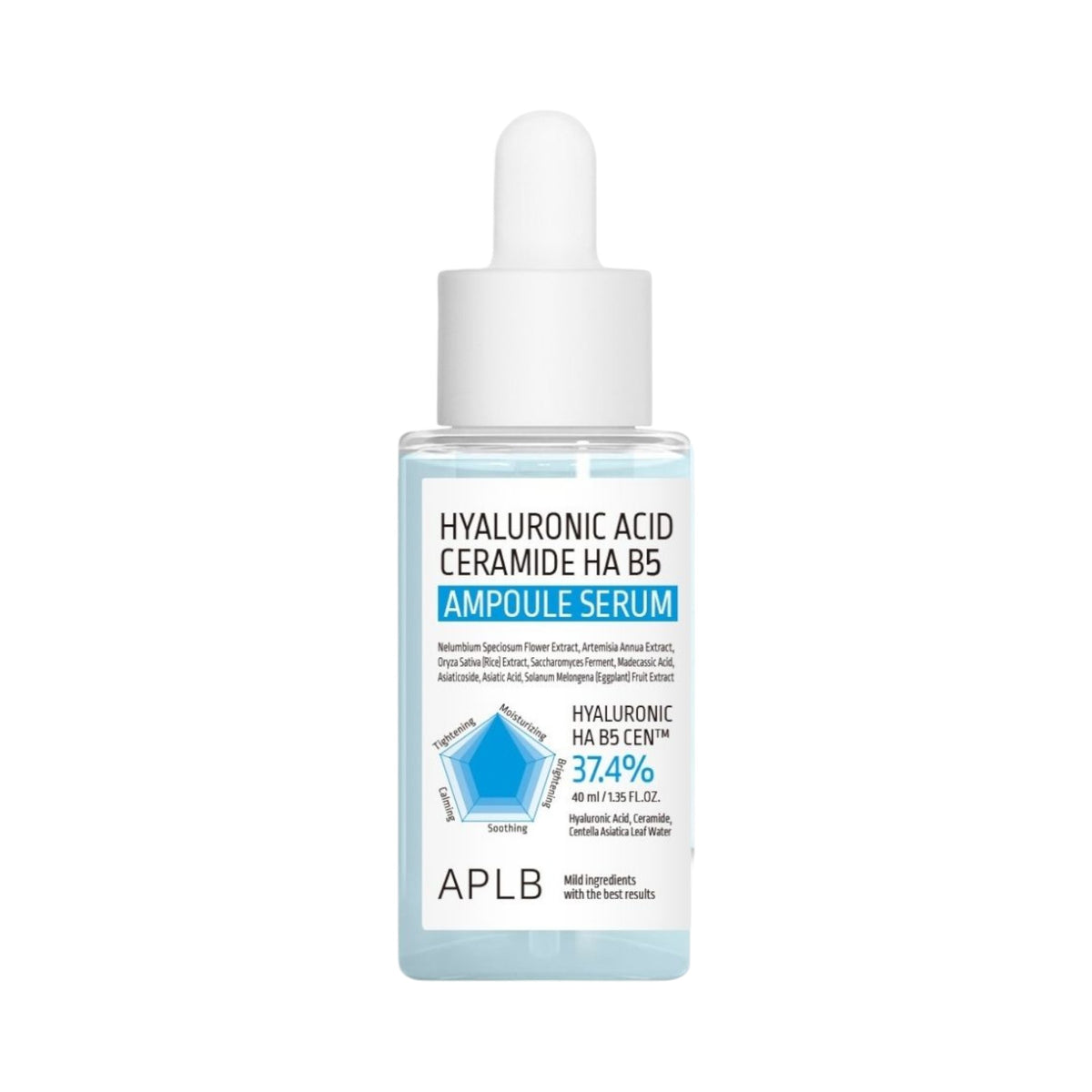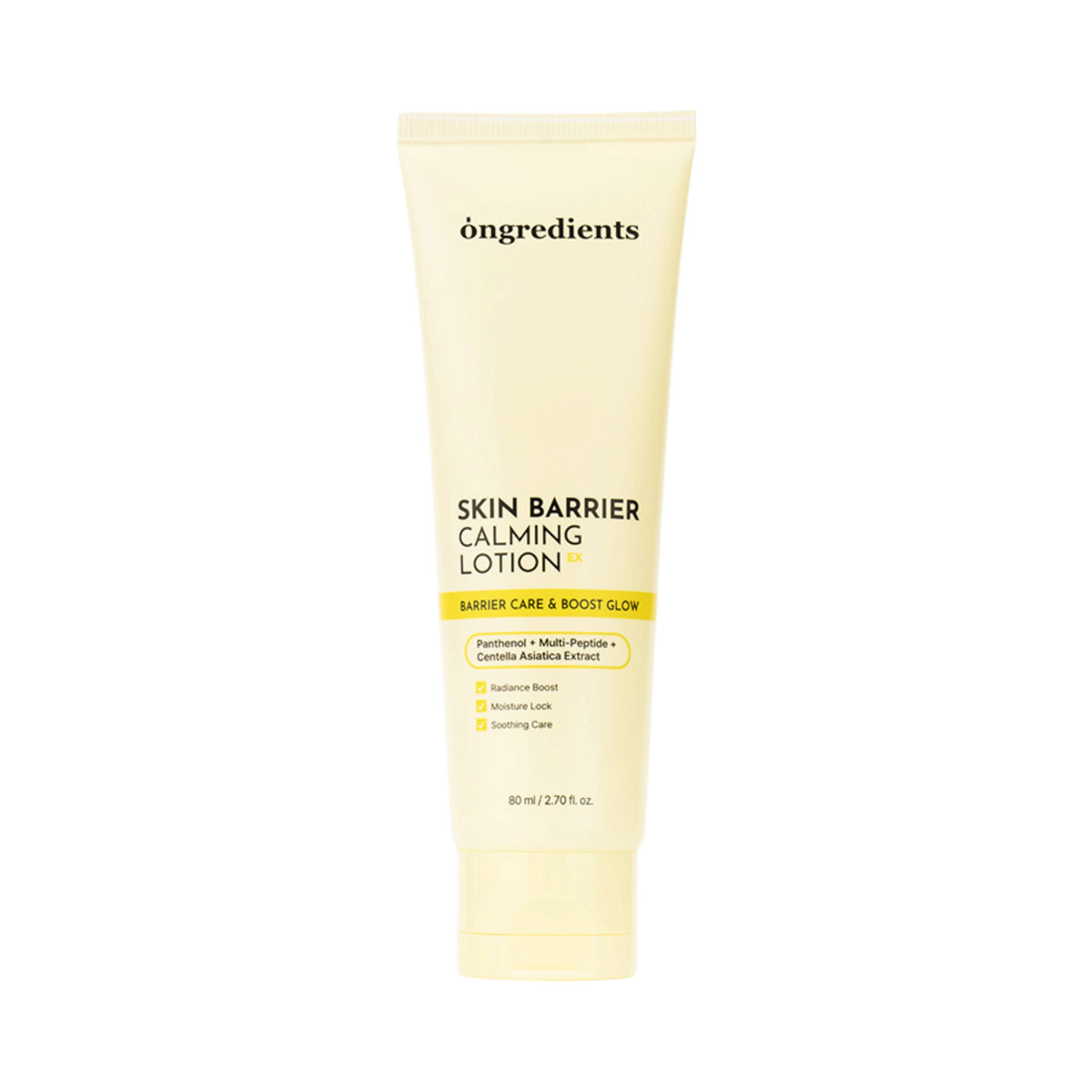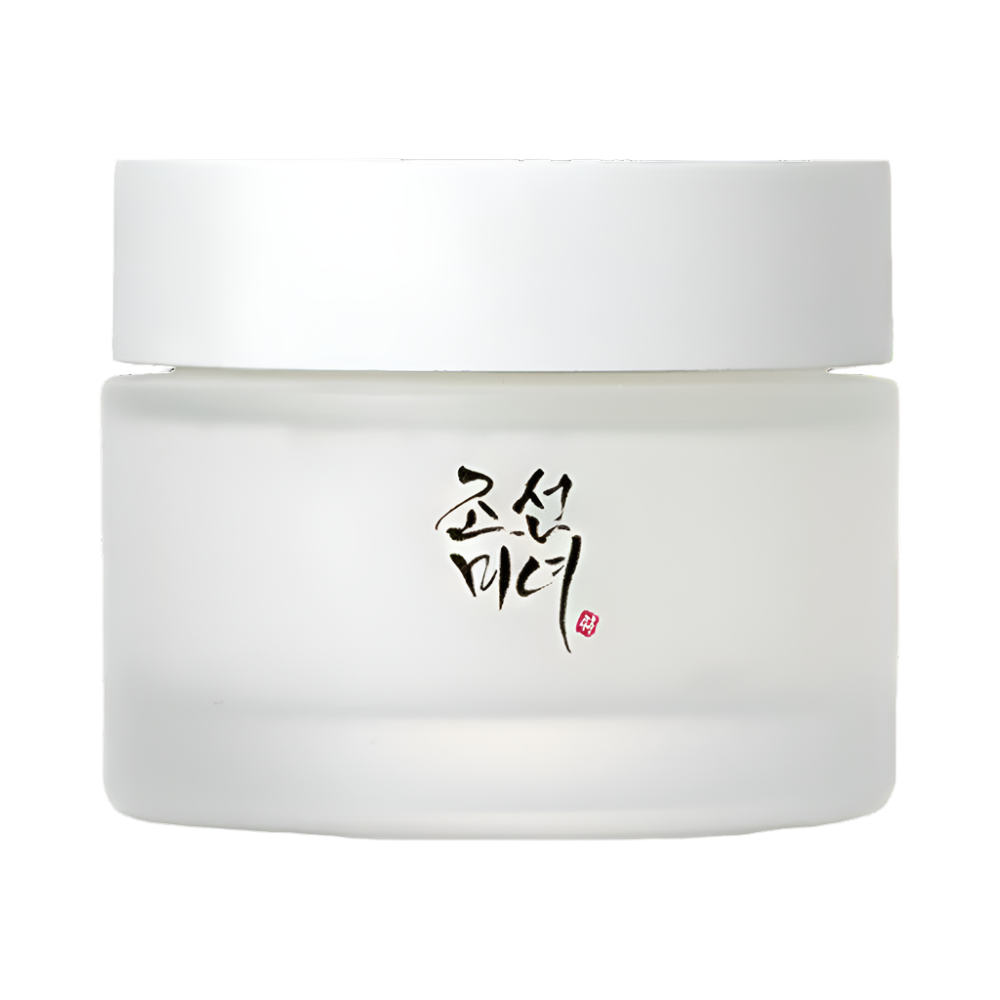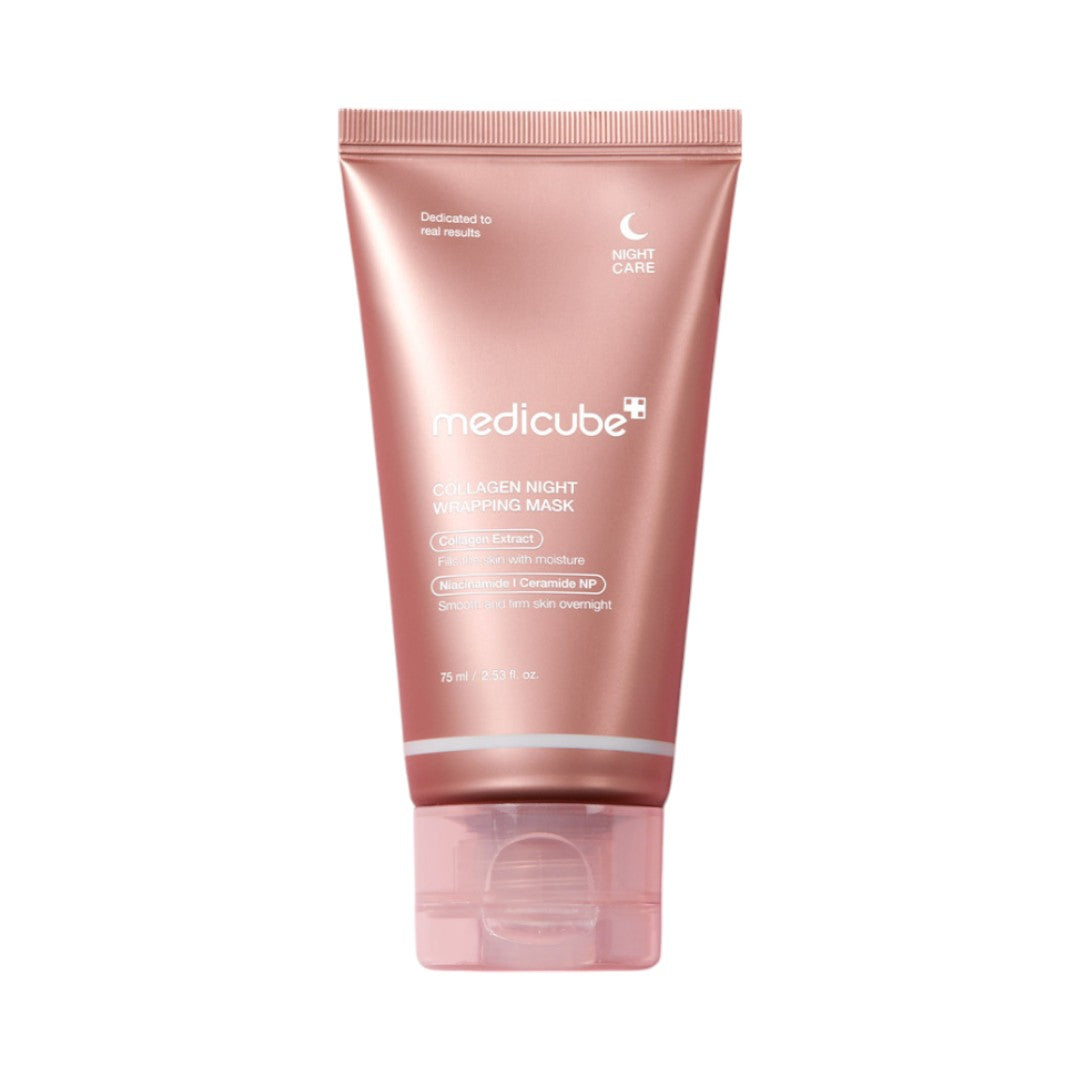
If your skin feels tight, stretched, or is going through an extremely dry period (hello, winter! ❄️), then the Ceramide ingredient should definitely play a leading role in your routine. This molecule is one of the biggest stars of conscious skincare because it is the mortar of your skin’s protective barrier!
But what happens when the label doesn’t just say "Ceramide," but is followed by a strange letter-number combination like "Ceramide NP" or "Ceramide EOP"? 🤔 Don’t worry, it’s not a secret code!
In this article, we clear up the confusion and show you why you need several types of Ceramide to keep your skin healthy, strong, and elastic!
Why is Ceramide life-saving for the skin? 🛡️
Ceramide is a lipid (fat) that makes up about 50% of the skin’s natural protective layer (the barrier).
- Its function: Ceramide prevents TEWL (Transepidermal Water Loss). In other words: it stops your skin’s moisture from evaporating.
- The problem: Aging, cold, and bad habits (e.g., hot water) reduce your Ceramide supply. The barrier cracks, leading to irritation, redness, and dryness.
- The solution: You need to replenish it from outside so the barrier can be rebuilt!
What do the letters NP, NS, and EOP mean?
There are now 12 known types of Ceramide (Ceramide 1 through 12, or A through S). The letters on labels (based on international cosmetic nomenclature) refer to their structure: the two letters indicate which base molecule and what type of fatty acid the molecule is made of.
The N-letter group (NP, NS, NG) – The main builders 🧱
-
Ceramide NP (Normal type): The most common and stable. "NP" corresponds to Ceramide 3.
- What does it do? It hydrates excellently, strengthens the barrier’s main function, and is very well tolerated. It is the base of most Ceramide-containing products.
- Ceramide NS: Corresponds to Ceramide 2. Similar function, supports NP very well.
AP and EOP – The special boosters ✨
-
Ceramide AP (Alpha-hydroxy acid containing): Corresponds to Ceramide 6-II.
- What does it do? This type supports the skin’s natural exfoliation processes while strengthening the barrier. Great for evening out skin tone.
-
Ceramide EOP (Omega ester-hydroxy acid containing): Corresponds to Ceramide 1.
- What does it do? Helps improve skin elasticity and tone. Often found in anti-aging formulas.
💡 The secret: No single Ceramide type can do everything. Your skin’s natural protective layer is also made up of several types. That’s why the best products combine multiple (e.g., NP, AP, EOP) Ceramides for full-spectrum restoration!
How to use Ceramide-containing products in winter? (Tips)
Ceramide is the star of cold, dry months. For best results, consider the following:
- Layering: Use it after serum and essence, as a sealing cream.
- The triple combo: Look for a cream that contains not only Ceramide but also the other two essential lipids: Cholesterol and Fatty Acids. This 3:1:1 ratio is the perfect "mortar"!
- K-Beauty boosters: Use Panthenol, Centella, or Hyaluronic Acid before your Ceramide product. These bring in the water (the hydration), and Ceramide locks it in.
- Winter tip: Remember, if it’s cold, the Ceramide cream should be the last step in your morning routine before applying sunscreen.
Summary
Ceramide is one of the most important but least flashy ingredients – it doesn’t give instant glow but creates the foundation for healthy, calm skin. Don’t let the letters on the label confuse you! The key is that if your skin is stressed for any reason (dryness, over-exfoliation), Ceramides are your most important building blocks!
Discover the most popular creams and serums with multiple Ceramide types at kbeautyforyou.hu!