
Have you ever bought a cream for "dry skin" and found your forehead covered in pimples the next day? Or the opposite: you bought a mattifying cleanser for your shiny nose, but your cheeks started peeling? 😩 If you’re nodding vigorously right now, welcome to the club! You probably have combination skin too.
This is the most common yet most challenging skin type. Why? Because your skin has two completely opposite personalities at once. One part is a desert, the other an oil field.
Today, we’ll clear things up (both in your mind and your routine)! We’ll look at exactly what combination skin means, and I’ll help you decide with a simple test if you belong to this group. 👇
What is combination skin? ☯️
The name says it all: this skin type is a combination of oily and dry (or normal) skin. It doesn’t behave uniformly across your entire face.
The key lies in understanding the zones:
- The T-zone (oilier part): Your forehead, nose, and chin line (in a T shape). There are more sebaceous glands here, so this area tends to be oilier, prone to blackheads and enlarged pores.
- The U-zone (drier part): Your cheeks and jawline (in a U shape). There are fewer sebaceous glands here, so this area is often normal or distinctly dry, tight, and sensitive.
The biggest challenge of combination skin is finding the balance between these two areas.
4 telltale signs: How do you know if you have it? 🧐
Although everyone’s skin is unique, combination skin has very typical "symptoms" that make it easy to recognize:
- The "southern shine": Everything looks fine in the morning, but by lunchtime your forehead and nose are shiny as if lit up, while the rest of your face remains completely matte.
- Pore size: When you look in the mirror, the pores around your nose are noticeably larger (sometimes with blackheads), but barely visible on your cheeks.
- The seasonal game: In summer, your skin seems oilier (the heat activates the T-zone), but in winter it feels drier and more sensitive (the cold affects the U-zone).
- Where pimples appear: Pimples and "surprises" almost exclusively appear along the forehead-nose-chin line, while the edges of your face stay clear.
The big skin type test: Do it at home! 🏠
Not sure? Try this simple 30-minute test tonight!
- Wash your face: Use a gentle, simple cleanser.
- Wait: Gently pat your face dry, and now comes the hard part: don’t apply anything! No toner, no cream. Wait 30-40 minutes.
- Examine: Look in the mirror and touch your face.
The results:
- Dry skin: Feels tight, stretched, possibly flaky everywhere.
- Oily skin: Shiny and oily to the touch everywhere (including cheeks).
- Combination skin: Your T-zone (forehead, nose) is oily or shiny, BUT your cheeks feel tight, dry, or normal to the touch.
The biggest myth: "I need to dry it out!" 🚫
The biggest mistake you can make with combination skin is treating it like oily skin.
If you use a strong, drying cleanser or an alcohol-based toner because of the shiny T-zone, you’ll damage the protective layer of the dry U-zone (skin barrier).
- The consequence: Your cheeks become red and sensitive, and your T-zone panics from the dryness and produces even more oil. It’s a vicious cycle!
How to care for combination skin? (K-Beauty strategy) ⚖️
The Korean routine is brilliant for treating combination skin because it focuses on layering and targeted treatment.
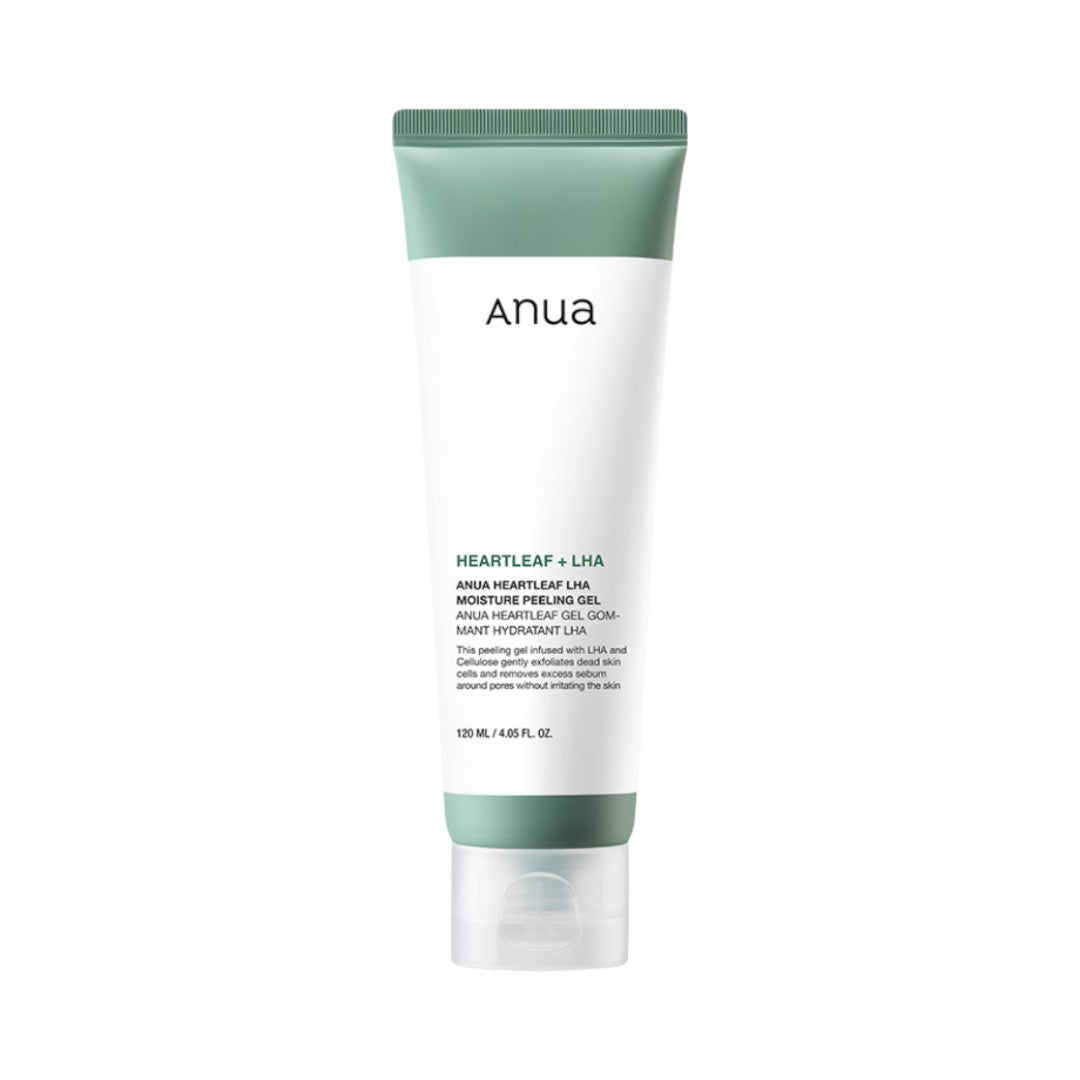
- Balancing cleansing: Choose a cleanser that cleans but doesn’t dry out (e.g., low pH gels).
- Multimasking (zoning): Use a clay mask only on the T-zone! Apply a hydrating mask on your cheeks.
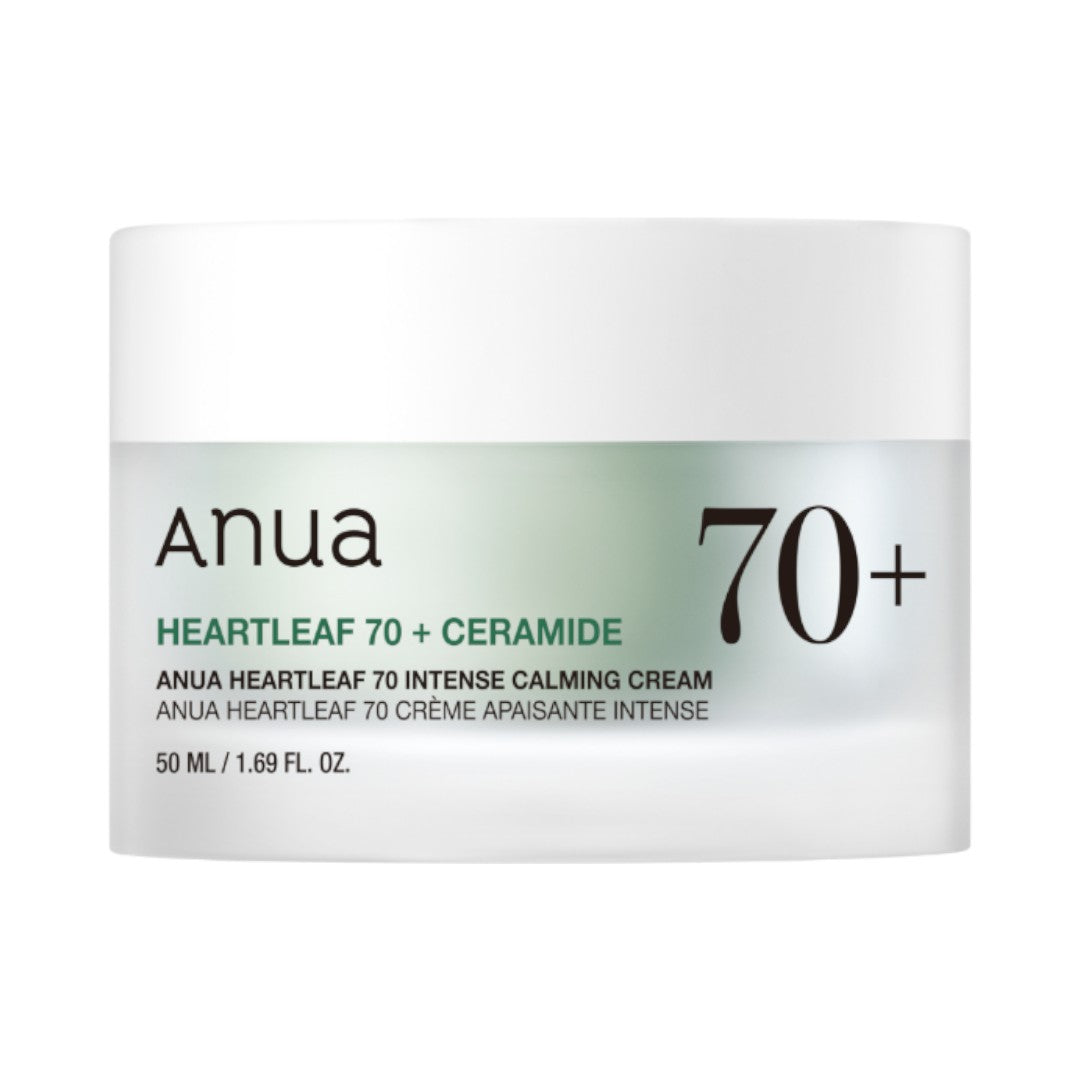
- Light layers: Instead of heavy creams, use a hydrating toner, essence, and a light gel moisturizer (lotion). This is enough for the T-zone, but if your cheeks need more, add an extra layer there!
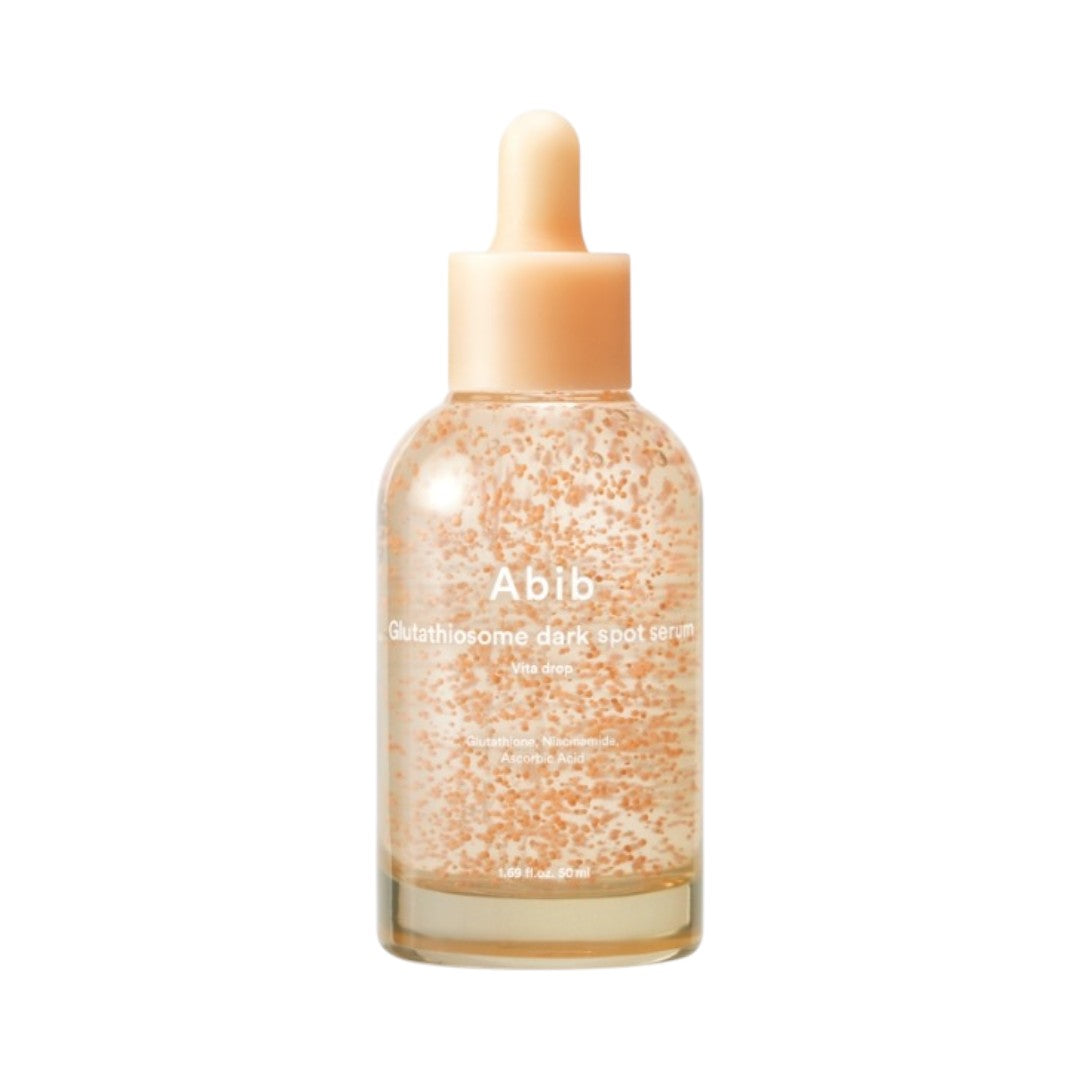
- Active ingredients: Niacinamide is your best friend because it regulates oil (T-zone) and strengthens the barrier (U-zone) at the same time.
FAQ – Frequently Asked Questions
Still have questions? I’ve gathered the most common ones I get during consultations!
1. Do I need two different moisturizers? (One for the T-zone, one for the cheeks?) Not necessarily! Although pros might do this (called "multi-moisturizing"), it can be cumbersome for everyday life.
- The trick: Use a light gel moisturizer on your whole face. Apply an extra layer on the drier U-zone (cheeks), or add a drop of facial oil (e.g., squalane) just to that area. This way, one cream solves both problems!
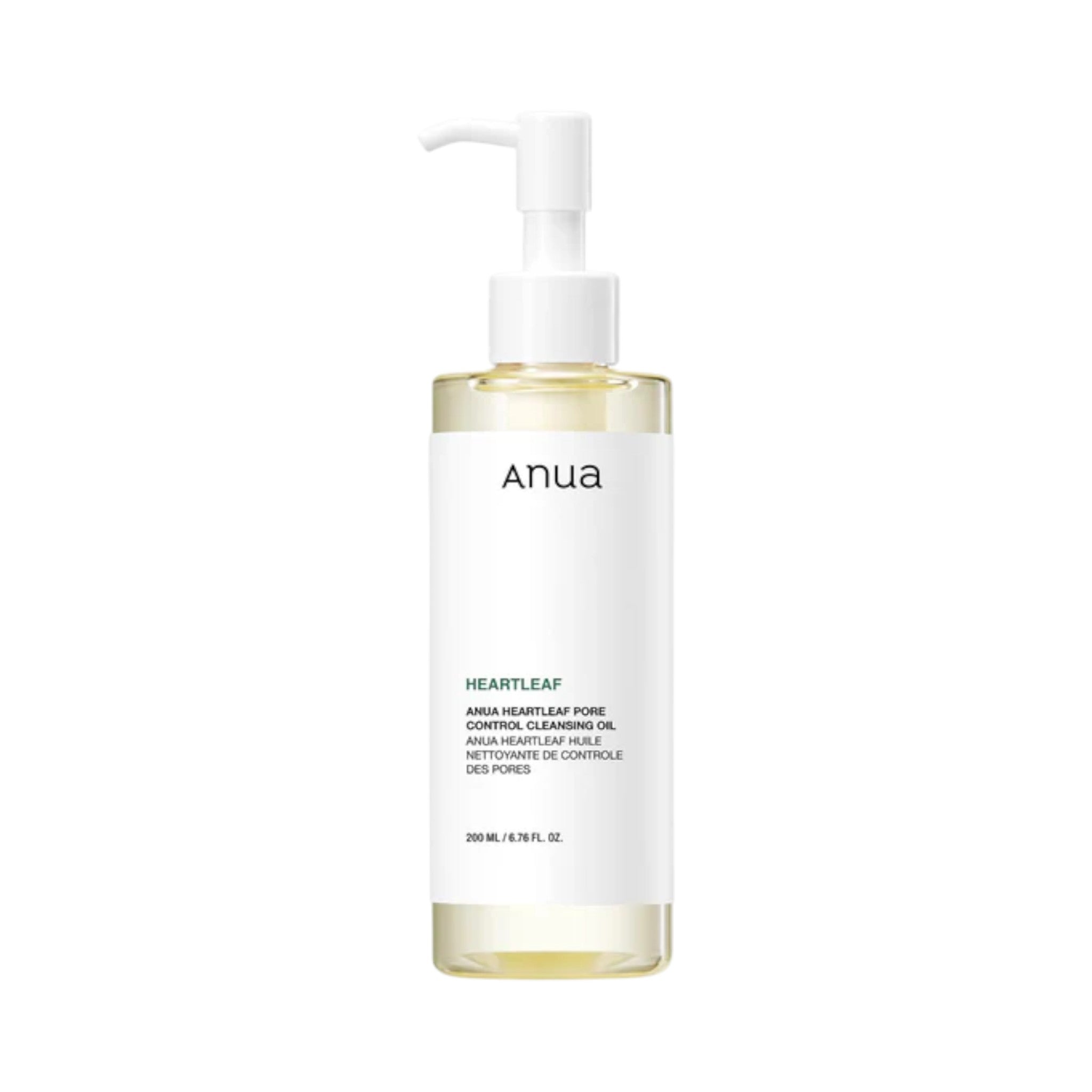
2. Can I use an oil-based cleanser for combination skin? Won’t it make my T-zone oilier? Quite the opposite! The first step of double cleansing, the oil cleanser, is your best friend.
- Why? Because "like dissolves like." The oil cleanser gently dissolves excess sebum deep in your T-zone pores without drying out your cheeks. Just be sure to follow with your water-based cleanser!
3. Can my skin type change with the seasons? Yes, that’s completely normal! Combination skin is a true chameleon.
- In summer: Heat increases sebum production, so your skin may look "oilier" (T-zone dominates).
- In winter: Cold and heating dry out your skin, so it feels "drier" (U-zone dominates).
- Solution: Pay attention to your skin’s signals, switch to richer textures in winter, and lighter emulsions in summer.
4. What is the best active ingredient for combination skin? If I had to pick one, it would be niacinamide. This smart ingredient normalizes oiliness (mattifies the T-zone) and strengthens the skin’s protective layer (hydrates the U-zone). But green tea and centella asiatica are also excellent choices for maintaining balance.
Summary: The goal is balance 🧘♀️
Combination skin is not a curse, quite the opposite! It’s the most common type and can be beautifully maintained with a little care. The secret is not to try to "dry out" the oil or "over-oil" the dryness. Find the golden mean and balancing active ingredients!
Now you know what you’re dealing with, right?
Click here to discover the best balancing toners and light creams for combination skin!