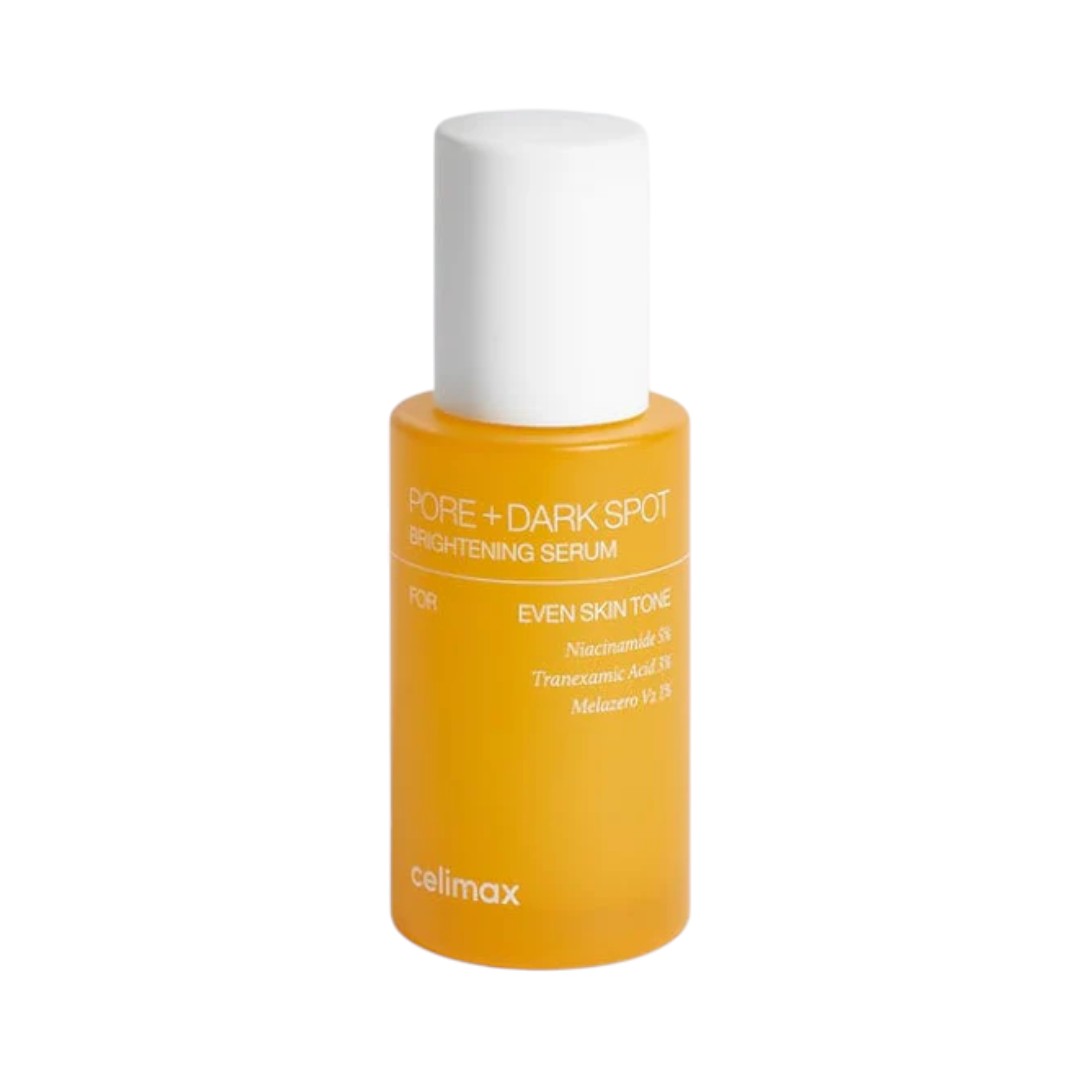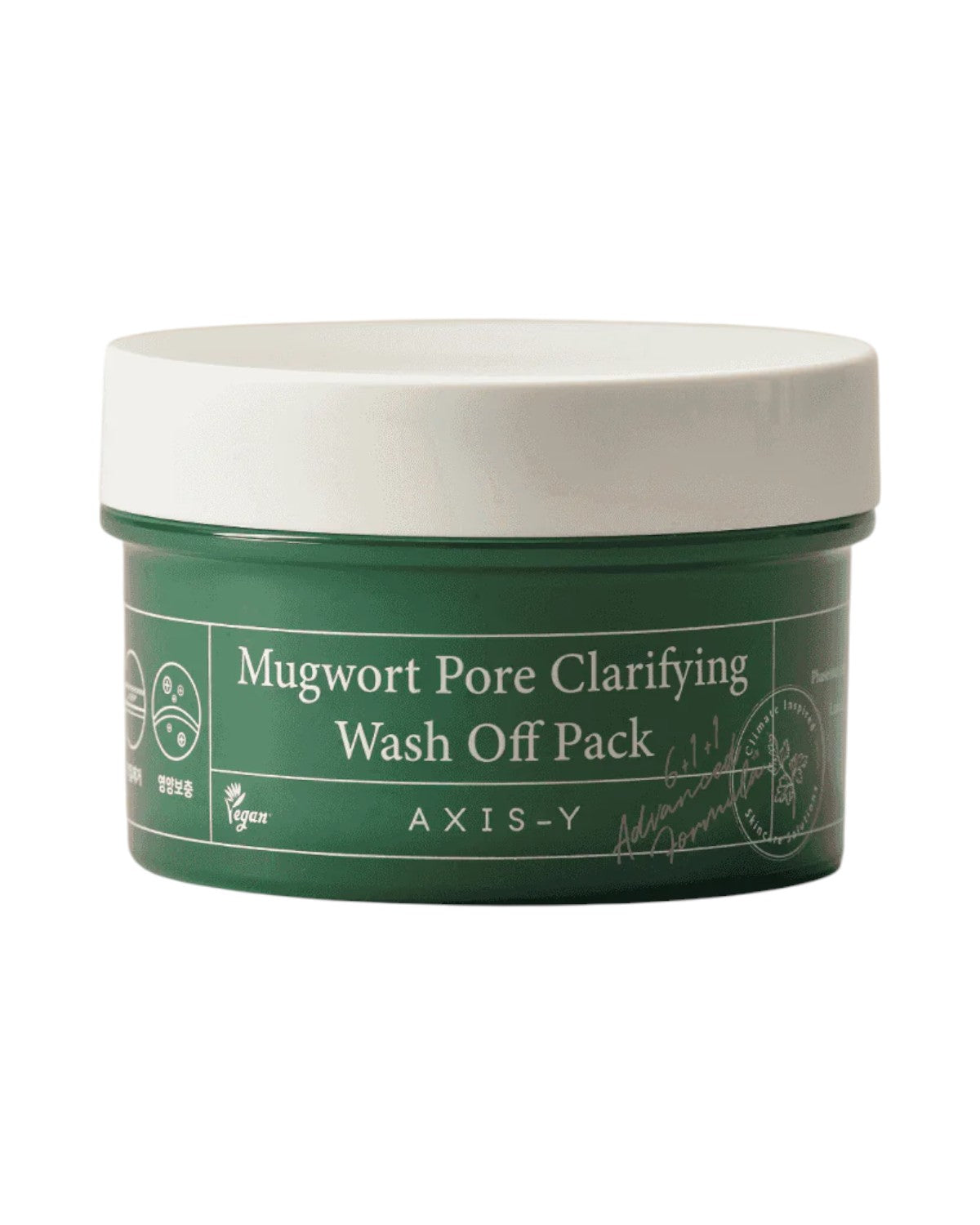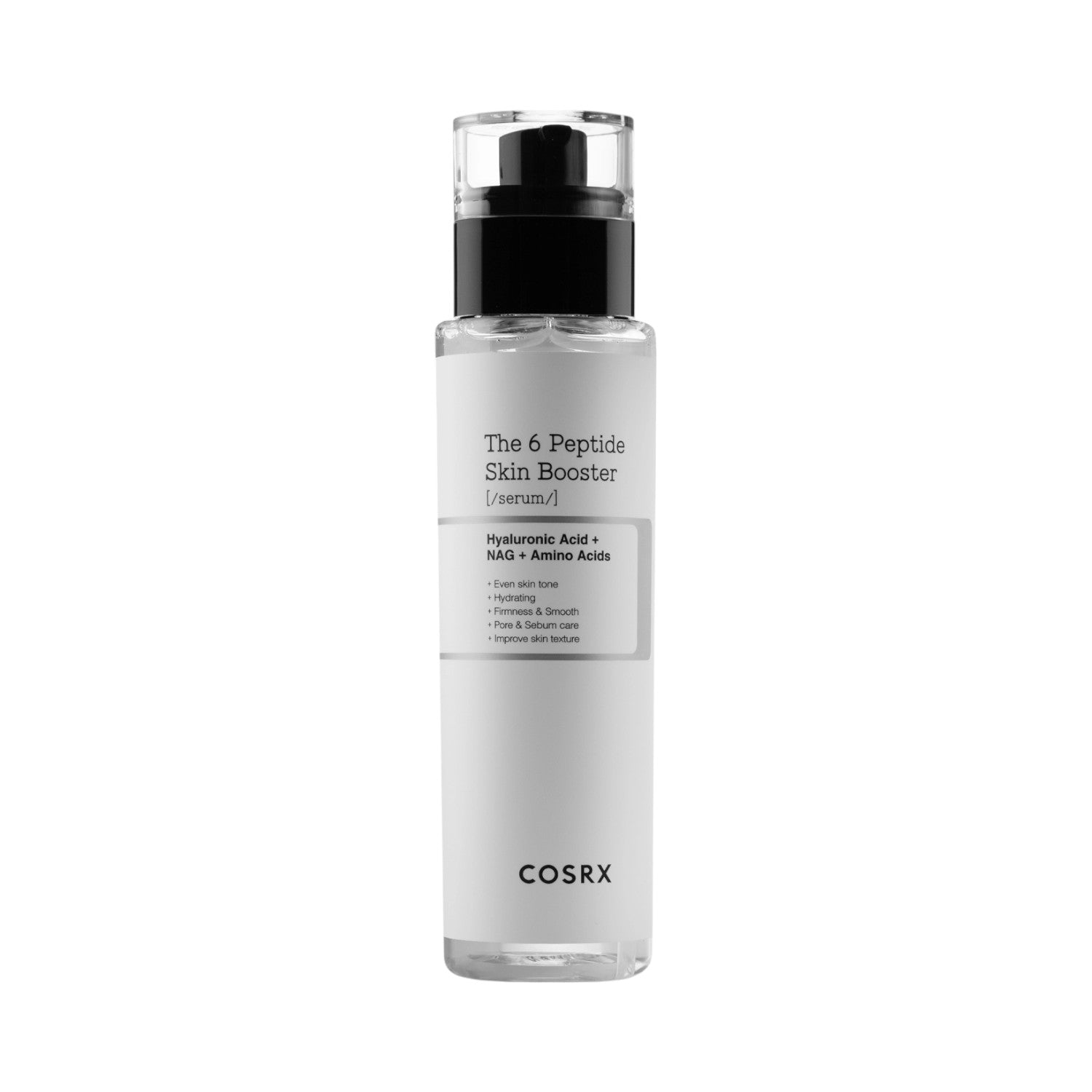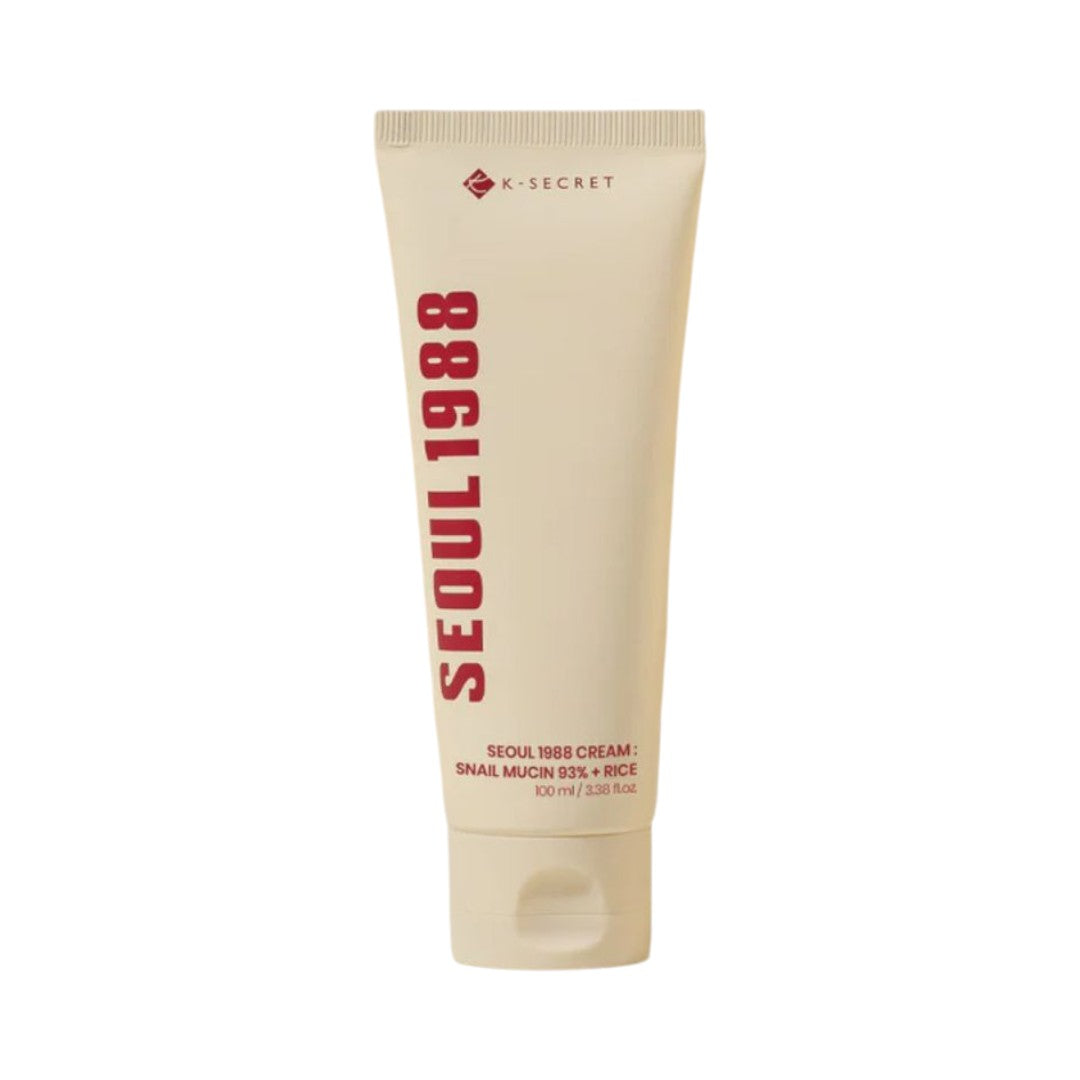

How many times have you bought a highly praised cream that made your friend’s face glow, but when you applied it... well, it was a disaster? You ended up with pimples, tightness, or oily shine. In these cases, the problem isn’t the product, nor is it you. The issue is that different skin types require completely different active ingredients and textures, and you probably didn’t choose the one that suits your own.
The most important lesson in skincare: know yourself! Our genetics determine how much sebum we produce and how our skin behaves. Without clarifying this foundation, it’s like feeling around in the dark.
Today, I’ll help you get organized! I’ll share a simple, at-home test – often recommended by dermatologists – and we’ll go through what each skin type likes best. 👇
The big skin type test: Find out at home in 30 minutes! 🏠
No need to think of complicated instruments. Your skin reveals everything; you just need to pay attention to the signs. The method’s essence is to let your skin show its natural state.
How to do the test:
- Cleaning: Wash your face with a gentle cleanser (don’t scrub!).
- Waiting: Pat dry, and here’s the key: don’t apply anything! No toner, no cream. Let your skin breathe freely.
- Timer: Wait exactly 30 minutes.
- Examination: Stand in front of a mirror and observe the feeling and appearance.
Now let’s look at the results! Which one fits you? 👇
1. Dry skin 🏜️
Test result: After 30 minutes, your skin feels tight, uncomfortable, as if your face is “too small.” Small wrinkles may appear when you smile, and there’s no oily shine anywhere.
- Characteristics: Your skin produces less sebum than it should. It’s often dull, rough to the touch, and prone to flaking.
-
How to care for it? The key is nourishment. Since your skin lacks enough natural oils (lipids), you need to replenish them.
- What to look for: Ceramides (to strengthen the barrier), plant oils (shea butter, squalane), and hyaluronic acid.
- Avoid: Foaming, drying cleansers and toners with high alcohol content.
2. Oily skin 💡
Test result: After half an hour, your face (especially forehead and nose) shines. If you touch it, it feels oily and leaves marks on your fingers.
- Characteristics: Your sebaceous glands are overactive. Your pores appear larger, and you’re more prone to blackheads and pimples. The good news? This skin type ages the slowest because the oil keeps it elastic!
-
How to care for it? The key is control. Many make the mistake of trying to dry it out – this is FORBIDDEN! If you dry your skin, it panics and produces even more oil.
- What to look for: BHA acid (salicylic acid) to clean pores, niacinamide for sebum control, and light, gel-based moisturizers.
- Avoid: Heavy, greasy creams (e.g., coconut oil).
3. Combination skin 🎭
Test result: Your T-zone (forehead, nose, chin) is shiny and oily, but your cheeks (U-zone) look normal or even feel tight.
- Characteristics: This is the most common skin type. You need to treat both oiliness and dryness at the same time.
-
How to care for it? The key is balance.
- What to look for: “Smart” ingredients like Green Tea or Niacinamide that hydrate without weighing down.
- Tip: Try “Multimasking”! Clay mask on the T-zone, hydrating mask on the cheeks.
4. Normal skin 🏆
Test result: No tightness, no oiliness, no red spots. Your skin is soft and balanced.
- Characteristics: Sebum production and hydration are balanced. You rarely get pimples, and your pores are barely visible.
-
How to care for it? The key is maintenance. Don’t spoil it with too many active ingredients! Your goal is to keep this condition as long as possible.
- What to look for: Antioxidants (Vitamin C) for prevention, and of course, sunscreen.
5. Sensitive skin 🚨
Test result: During the 30-minute wait, your skin starts to itch, redden, or you may feel burning – even if you didn’t apply anything.
- Characteristics: Your skin’s protective layer (skin barrier) is weaker, so it reacts strongly to environmental factors (cold, heat, fragrances). Important: sensitivity can accompany any of the above types (e.g., dry-sensitive or oily-sensitive skin).
-
How to care for it? The key is soothing.
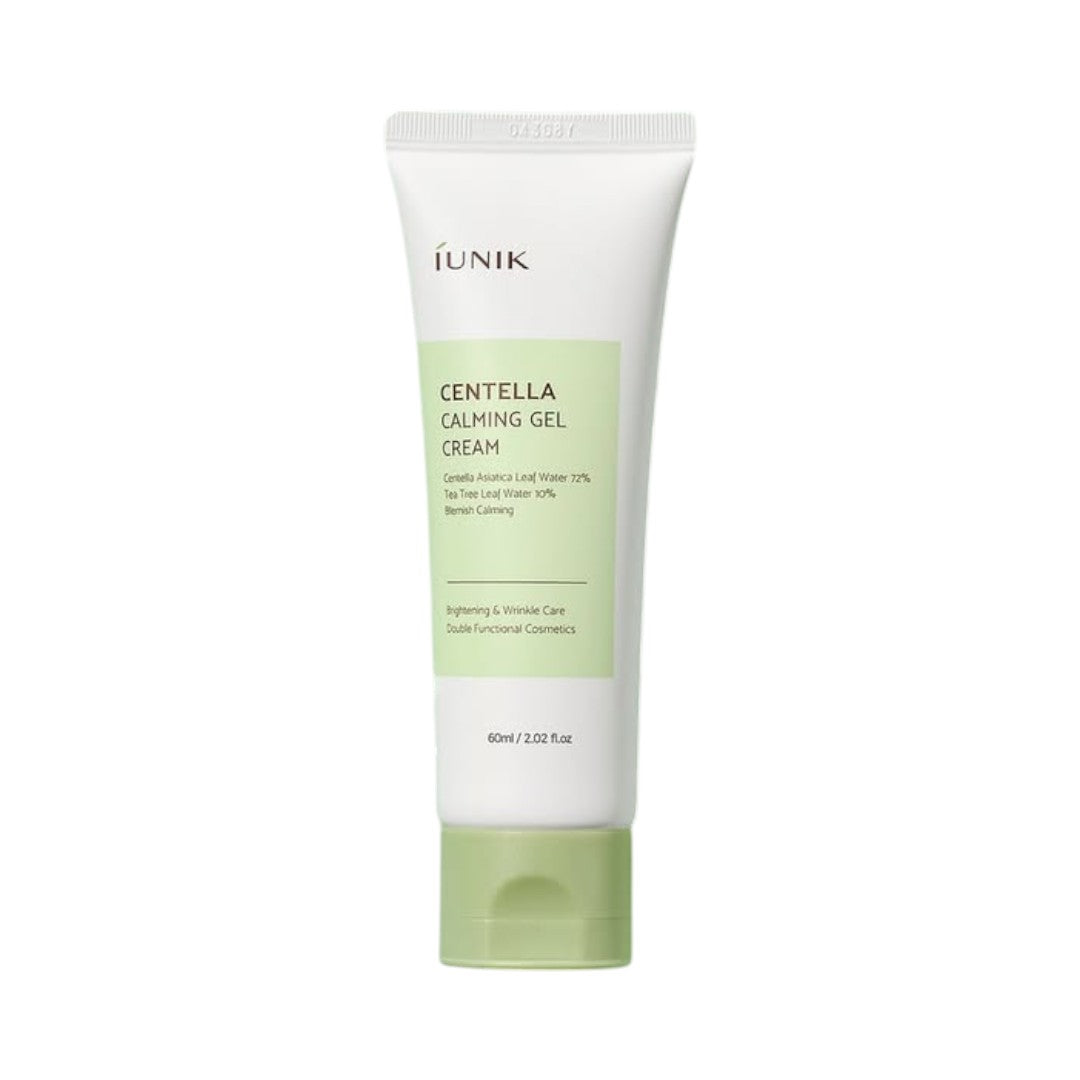
- What to look for: Cica (Centella Asiatica), Panthenol, Allantoin.
- Avoid: Fragrances, alcohol, harsh scrubs.
Summary: Your skin changes!
Remember, your skin type isn’t set in stone. Hormones, seasons (drier in winter, oilier in summer), and age all influence it. It’s worth repeating this test every six months so you always know what your face needs.
Now that you know your diagnosis, choosing products will be easier!
Ready to create your own routine?
Click here, select your skin type in the filter, and we’ll show you the products that suit you!