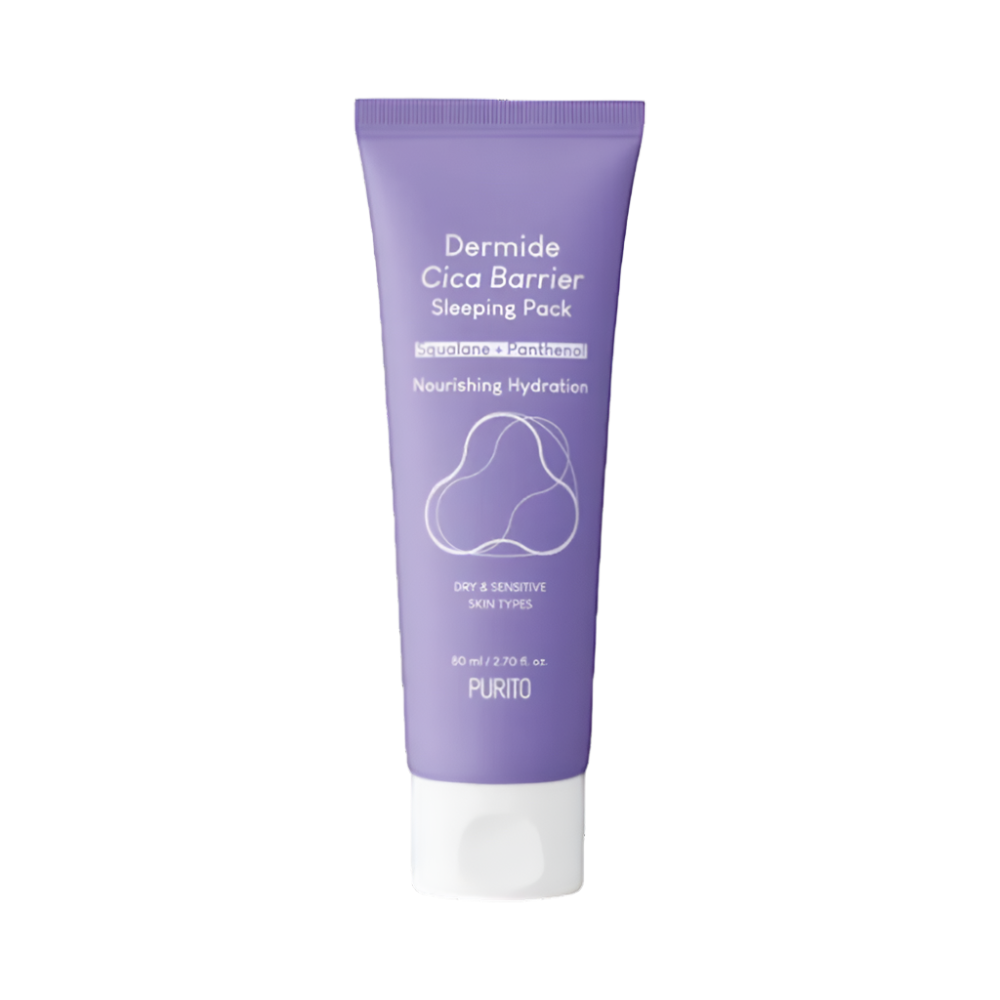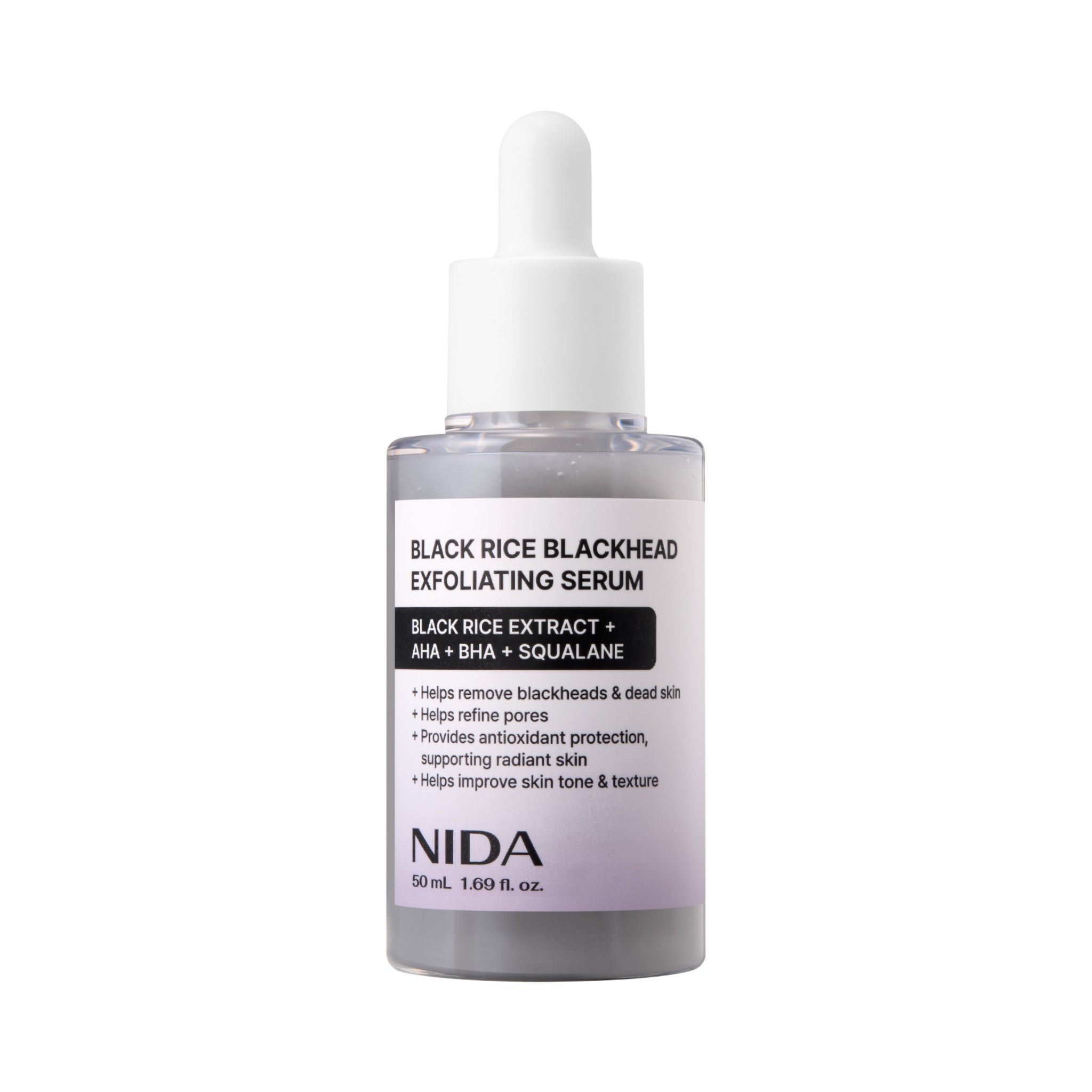

There is one ingredient that has quietly but surely conquered cosmetic shelves in recent years. It’s not an acid, not a vitamin, and although it looks like an oil, it doesn’t weigh down the skin. This is squalane.
Many people are afraid of oils in facial care (especially those with oily skin), but squalane is different. This "skin-identical" miracle ingredient might be the missing link in your routine if you want soft, hydrated, yet non-shiny skin. But exactly what is squalane, what is it made from, and why does every skin type love it?
In this article, you’ll get answers to all your questions based on Semantic SEO principles – meaning we don’t just scratch the surface, but dig deep into this liquid gold!
Squalene or squalane? One letter, huge difference!
Before we get to the effects, let’s clear up the chemistry – I promise, just briefly! On packaging, you often see the terms Squalene (with an e) and Squalane (with an a).
- Squalene: This is a natural lipid (fat) that our own skin produces. It makes up about 13% of our skin’s sebum. Its job is to hydrate and protect the skin. The problem? It’s very unstable. When exposed to air, it oxidizes quickly, spoils, and can cause breakouts.
- Squalane: This is the hydrogenated, stable version of squalene. This is what you find in bottles.
Why is this important? Because squalane retains all the moisturizing superpowers of the original substance but is stable, lightweight, doesn’t go rancid, and most importantly: it doesn’t clog pores.
The effect of squalane: Why is it the king of hydration?
If you search for "effects of squalane", you’ll find plenty of praise. But what exactly does it do when you apply it to your skin?
- Skin-identical moisturizer: Since its structure almost matches the skin’s own natural oils, your skin "recognizes" it and immediately absorbs it. It doesn’t sit on the surface but penetrates deeply.
- Prevents water loss: Imagine a protective shield on your skin. Squalane locks in moisture (this is called an occlusive effect), so your skin stays hydrated for hours.
- Antioxidant protection: It helps fight free radicals responsible for premature skin aging.
- Non-comedogenic: This is the magic word! It means it doesn’t clog pores, so it doesn’t cause blackheads or breakouts.
- Silky feel: Unlike heavy plant oils (like coconut oil), squalane’s texture is feather-light and doesn’t leave a sticky residue.
Who is squalane recommended for? (Spoiler: Everyone!)
One of squalane’s biggest advantages is its versatility. Let’s look at it by skin type:
🏜️ For dry and dehydrated skin
This is the most obvious. If your skin feels tight or flaky, squalane immediately soothes and softens it. It helps restore the damaged skin barrier.
🌋 For oily and acne-prone skin
Yes, you read that right! Even for oily skin! Why? Because if oily skin is dehydrated, it produces even more oil to compensate. By hydrating your skin with squalane, you send signals to your sebaceous glands saying, "Relax, there’s enough protection, no need to overwork." Since it’s lightweight and doesn’t cause breakouts, it’s a safe choice.
敏感 For sensitive skin
Because squalane is biologically very similar to the skin’s own substances, the chance of irritation is very low. It’s fragrance-free, a pure molecule that is often well tolerated even by eczema or rosacea-prone skin.
Where does it come from? From sharks to sugarcane
This is an important ethical question. In the past, squalene was unfortunately extracted from shark liver (hence the name: Squalus = shark in Latin).
🛑 Good news: In today’s modern cosmetic industry – especially in Korean skincare (K-Beauty) – the squalane used is 100% plant-based. It is most commonly produced from olive oil, sugarcane, or rice bran. This makes its use vegan, cruelty-free, and sustainable.
How to incorporate it into your routine?
Using squalane is super simple. Since it’s an oil (lipid) based ingredient, it’s best to use it at the end of your routine or together with your moisturizer.
- Face cleansing & toning
- Serums (e.g., water-based hyaluronic acid)
- Moisturizer
-
Squalane: Drop 2-3 drops into your palm and gently press it into your skin.
- Pro tip: You can mix 1-2 drops directly into your moisturizer if you’re in a hurry!
You can use it both morning and evening. In the morning, it’s a wonderful makeup base (primer) because it smooths the skin’s surface, and in the evening, it works as a night treatment.
Frequently Asked Questions about squalane (FAQ)
Still have questions? We’ve gathered the most common questions about using squalane.
1. Can squalane cause breakouts? In short: No. Pure squalane oil has a very low comedogenic index (on a 0-1 scale), meaning it doesn’t clog pores. Since it’s chemically stable and doesn’t oxidize on the skin (unlike natural sebum, for example), it can be safely used on acne-prone skin.
2. Can I use squalane with Retinol or Vitamin C? Yes, in fact, it’s highly recommended! Squalane is a neutral, stable oil that doesn’t react with other active ingredients. Because it soothes and hydrates well, it can help counteract any dryness or irritation caused by Retinol or Vitamin C. Apply it as the final step after your active ingredients!
3. Can I only use it on my face? Not at all! Squalane is a truly multifunctional miracle.
- For hair: A few drops on the ends provide heat protection, reduce frizz, and add shine.
- For body: Perfect for dry elbows, knees, or cuticle care.
- In foundation: Mix a drop into your foundation for a more radiant, natural finish!
4. Does it need to be stored in the fridge? No. Squalane (unlike rosehip oil or pure Vitamin C) is an extremely stable molecule. It keeps for years at room temperature, protected from direct sunlight, without going rancid.
5. Does it leave an oily feeling? No. Although technically an oil, its texture is much thinner and lighter than most plant oils. It’s also called a "dry oil" because it absorbs instantly and leaves a velvety, soft (not oily) layer on the skin.
Summary
Now you know what squalane is: one of your skin’s best friends, a stable, plant-based, super-light moisturizer.
It doesn’t matter if your skin is dry, oily, or sensitive, the effects of squalane are universal: it strengthens the protective barrier, locks in moisture, and leaves a soft touch. If you’ve been afraid of facial oils until now, squalane is the perfect entry-level product you won’t be disappointed with! 💧✨
Have you tried squalane yet? Check out our webshop where you can find it in pure form or as an ingredient in our favorite creams!